
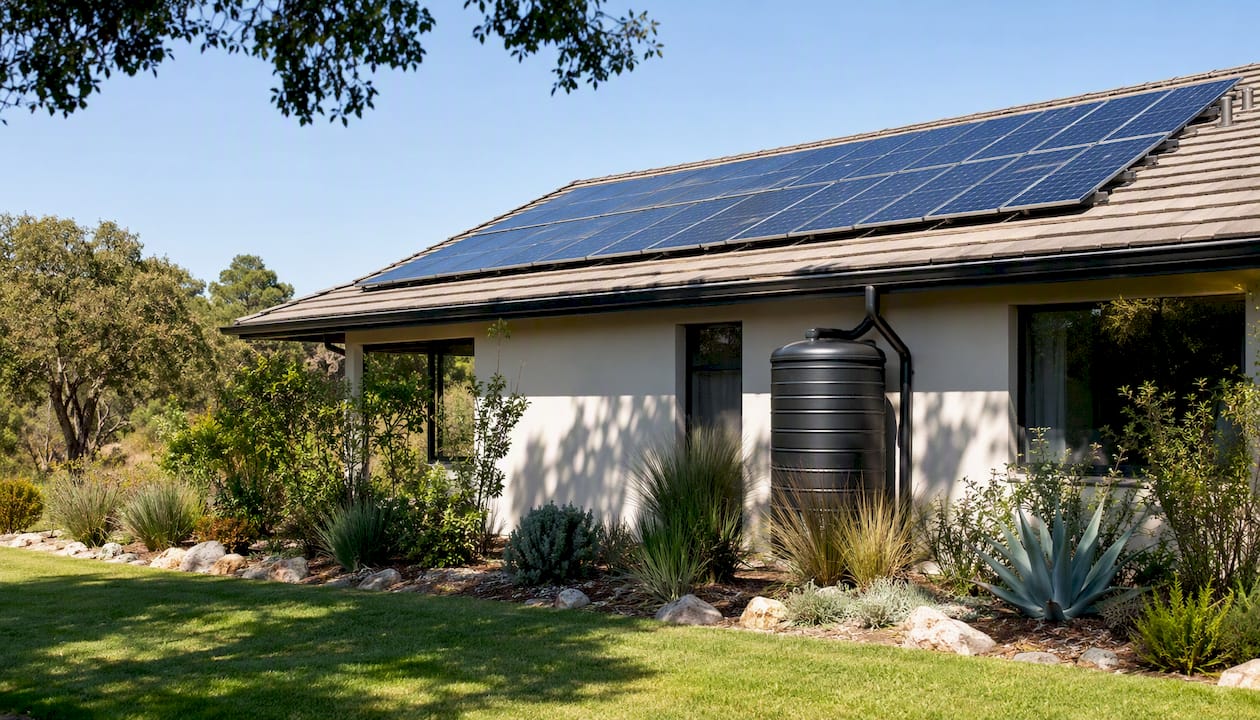
The highest-impact examples of eco-friendly upgrades you can make right now are solar PV with battery storage, high-efficiency heat pumps, attic insulation and air sealing, ENERGY STAR-rated windows and doors, LED lighting, ENERGY STAR appliances, smart thermostats, induction cooktops, low-flow water fixtures, and cool or vegetative roofing. The U.S. Department of Energy identifies insulation, HVAC upgrades, and efficient windows as the biggest levers for most homes. Federal tax credits under the Inflation Reduction Act, verified through IRS guidance, cover a wide range of these improvements.
Quick-scan list of top eco-friendly home upgrades:
- Solar PV panels and battery storage
- High-efficiency heat pump (heating and cooling)
- Attic insulation and whole-house air sealing
- ENERGY STAR / NFRC-rated windows and exterior doors
- LED lighting and ENERGY STAR appliances
- Smart thermostat and home energy management
- Induction cooktop (replacing gas range)
- Low-flow fixtures and smart irrigation
- Rainwater harvesting system
- Cool roof or vegetative (green) roof
Table of Contents
- Examples of eco-friendly upgrades grouped by impact and cost
- Where to start: run a DIY energy check first
- Costs, federal incentives, and realistic payback for U.S. homeowners
- How to plan projects, hire contractors, and avoid costly mistakes
- Key Takeaways
- The upgrades that actually move the needle
- Workbenchguide keeps your eco-upgrade projects on track
- Useful sources for verification and next steps
Examples of eco-friendly upgrades grouped by impact and cost
Not every green upgrade delivers the same return. Some cut your energy bill by hundreds of dollars a year; others are weekend projects that cost under $50. Here is how the most common sustainable home improvements stack up.
High-impact upgrades
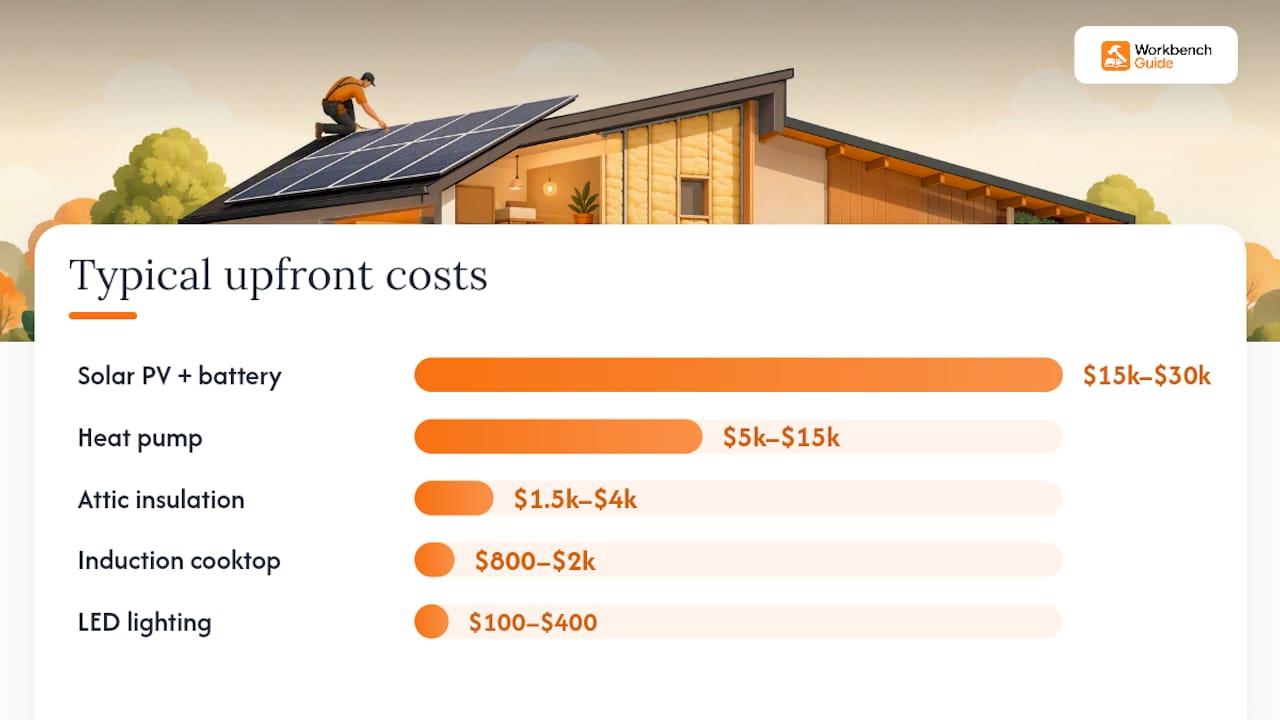
Solar PV and battery storage sit at the top for energy and carbon reduction. A typical residential system offsets most or all of a home’s electricity use, and the Residential Clean Energy Credit covers 30% of installed cost through 2032. Battery storage has been eligible for that same 30% credit since 2023. Upfront cost runs roughly $15,000–$30,000 before incentives; payback typically falls in the 6–10 year range depending on local utility rates.
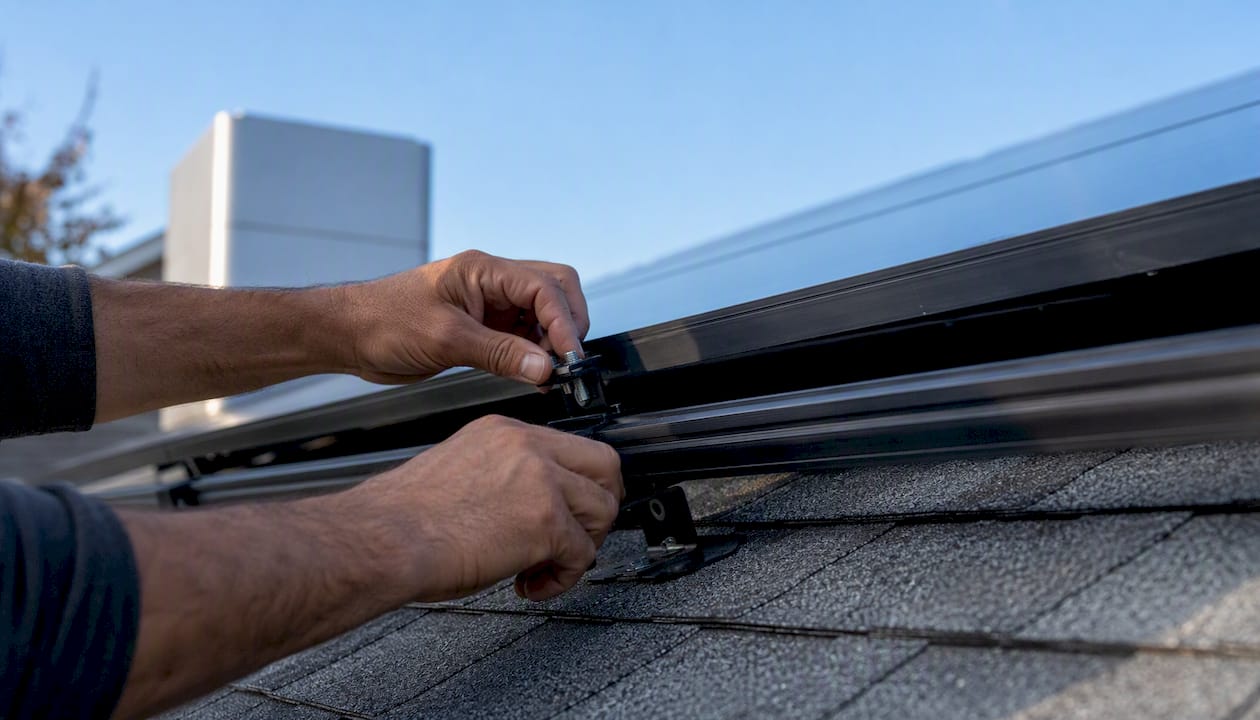
High-efficiency heat pumps replace gas furnaces and central AC in one system, cutting heating energy use significantly compared to resistance heat. A 2026 study found homes with rooftop solar or high-efficiency heat pumps sold for approximately 1–2% more, and advertising these features in listings can increase sale price according to some analyses further. Installation runs $5,000–$15,000; the Energy Efficient Home Improvement Credit (EEHIC) allows an additional $2,000 beyond the standard annual cap for qualifying heat pumps.
Attic insulation and air sealing consistently deliver the highest return per dollar spent. Air sealing combined with proper insulation typically reduces HVAC costs and pays back over a few years. The DOE’s Energy Saver Guide recommends targeting R-38 to R-60 in attics depending on climate zone. Cost: $1,500–$4,000 professionally installed; DIY partial sealing is feasible for experienced homeowners.
Stat to know: Air sealing plus insulation typically reduces HVAC costs by roughly 15% and pays back in 3–5 years, making it the highest return-per-dollar upgrade for most U.S. homes.
Medium-impact upgrades
ENERGY STAR / NFRC-rated windows and doors reduce heat gain in summer and heat loss in winter. The National Fenestration Rating Council (NFRC) label shows U-factor and Solar Heat Gain Coefficient so you can match the window to your climate. Replacement windows run $300–$900 per window installed; the EEHIC covers up to $600 for windows and $500 for exterior doors annually.
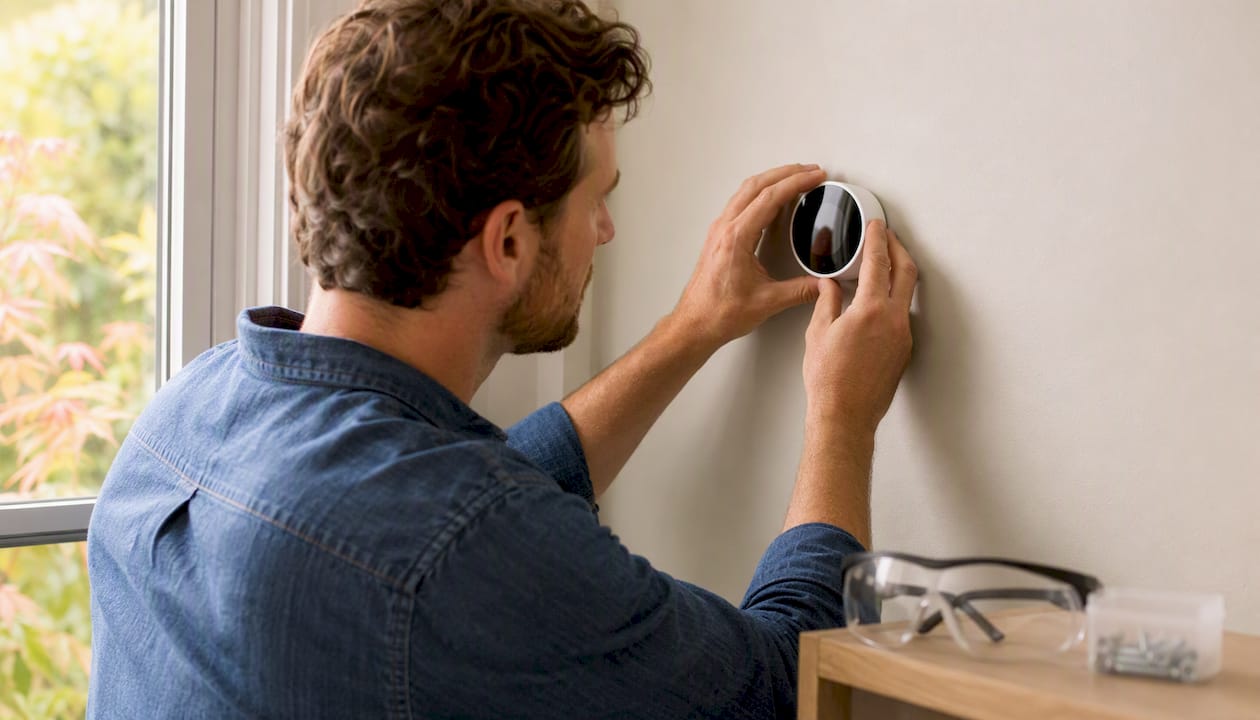
Smart thermostats and HVAC upgrades cost $150–$300 for the thermostat itself and are a straightforward DIY install in most homes. Paired with a well-maintained system, they can meaningfully cut heating and cooling waste. Check the Workbenchguide HVAC maintenance guide for filter schedules and service intervals that keep efficiency high between major upgrades.
Induction cooktops eliminate combustion in the kitchen, improving indoor air quality and cutting cooking energy use compared to gas. A freestanding induction range runs $800–$2,000; the EEHIC covers up to $840 for qualifying electric stoves and cooktops.
Cool roofs and vegetative (green) roofs lower roof surface temperatures. According to DOE guidance, cool roofs can reduce roof temperatures by up to 50°F, cutting cooling loads noticeably in hot climates. A cool-roof coating on an existing roof costs $1–$3 per square foot; a full vegetative roof system is a larger investment but also manages stormwater and extends roof life.
Low-impact (but fast) upgrades
LED lighting uses about 75% less energy than incandescent bulbs and lasts far longer. Swapping a whole house costs $100–$400 and pays back within a year or two. ENERGY STAR-certified LEDs carry verified efficiency ratings.
Low-flow fixtures and smart irrigation are among the most overlooked green renovation ideas. EPA WaterSense data shows that certified fixtures and smart irrigation practices meaningfully reduce household water use. Low-flow showerheads and faucet aerators cost $10–$40 each and install in minutes.
Rainwater harvesting captures roof runoff for irrigation, reducing municipal water demand. A basic barrel system costs $100–$300; check local regulations first, as some states have restrictions.
Sustainable building materials and composting round out the low-cost tier. Choosing reclaimed wood, recycled-content insulation, or low-VOC paints during any renovation reduces embodied carbon. A backyard compost bin costs under $50 and diverts organic waste from landfill.
| Upgrade | Estimated energy/carbon impact | Typical upfront cost | DIY vs. pro | Federal incentive eligible? | Payback estimate |
|---|---|---|---|---|---|
| Solar PV + battery | Very high | $15,000–$30,000 | Pro | Yes (30% RCEC) | 6–10 years |
| Heat pump (HVAC) | High | $5,000–$15,000 | Pro | Yes (EEHIC, up to $2,000 extra) | 5–10 years |
| Attic insulation + air sealing | High | $1,500–$4,000 | Partial DIY | Yes (EEHIC, up to $1,200/yr) | 3–5 years |
| ENERGY STAR windows/doors | Medium-high | $300–$900/window | Pro | Yes (EEHIC, up to $600 windows) | 6–10 years |
| Smart thermostat | Medium | $150–$300 | DIY | Yes (EEHIC, up to $150) | 1–3 years |
| Induction cooktop | Medium | $800–$2,000 | Pro/DIY | Yes (EEHIC, up to $840) | 3–5 years |
| Cool roof coating | Medium | $1–$3/sq ft | Pro | Check state programs | 3–5 years |
| LED lighting | Low-medium | $100–$400 | DIY | No federal credit | 1–2 years |
| Low-flow fixtures | Low | $10–$40 each | DIY | No federal credit | Under 1 year |
| Rainwater harvesting | Low | $100–$300 | DIY | Check state programs | Varies |
| Composting system | Low | Under $50 | DIY | No | Immediate |
Pro Tip: Before replacing windows, seal the frames with weatherstripping and caulk. That alone can cut drafts by 30–40% at a fraction of the cost, and it makes sense to do it before spending on full replacements.
Where to start: run a DIY energy check first
Spending $15,000 on solar before fixing a leaky attic is like filling a bathtub with the drain open. The right order matters.
DIY energy walkthrough
Walk your home on a cold or hot day and check for:
- Drafts around doors, windows, electrical outlets, and attic hatches
- Insulation depth in the attic (aim for at least 10–14 inches of blown-in fiberglass)
- HVAC filter condition and system age
- Water heater temperature setting (120°F is the recommended default)
- Lighting: count remaining incandescent or halogen bulbs
- Appliance age: anything over 15 years old is likely well below current efficiency standards
- Standby loads: electronics and appliances drawing power when not in use can account for a meaningful share of your electric bill
Fix the obvious items first: swap bulbs, add door sweeps, caulk window frames, lower the water heater. These cost almost nothing and reduce waste immediately. For a structured checklist, the Workbenchguide attic maintenance checklist walks you through the most common problem spots.
When to get a professional home energy audit
A professional audit goes far beyond what you can see. Auditors use a blower door test and thermographic (infrared) scan to find hidden air leaks, missing insulation, and duct losses that are invisible to the naked eye. The resulting report prioritizes improvements by cost-effectiveness, so you spend money where it actually moves the needle. A professional audit typically costs $200–$600, and some utilities offer subsidized versions.
Step-by-step prioritization:
- Gather 12 months of utility bills before any audit or contractor call. Auditors use seasonal patterns to pinpoint your biggest losses.
- Complete the DIY walkthrough and fix low-cost items (weatherstripping, LEDs, faucet aerators).
- Schedule a professional audit if your bills are high or your home is older than 1990.
- Use the audit report to sequence major upgrades: insulation and air sealing first, then HVAC, then windows.
- Bundle upgrades within a tax year to maximize the EEHIC annual cap and any utility rebates.
Pro Tip: Call your utility company before booking a private auditor. Many utilities offer free or heavily discounted energy audits, and some require pre-approval before you can claim rebates on insulation or HVAC work. Check DSIRE (dsireusa.org) for state and local incentives that stack on top of federal credits.
Costs, federal incentives, and realistic payback for U.S. homeowners
The Inflation Reduction Act reshaped what homeowners can claim. Two credits matter most.
Energy Efficient Home Improvement Credit (EEHIC / 25C): For qualifying improvements placed in service after January 1, 2023, the EEHIC covers 30% of costs up to a $1,200 annual cap per taxpayer. Within that cap, specific limits apply: up to $600 for windows, $500 for exterior doors, $150 for a home energy audit, and $600 for efficient HVAC equipment. Heat pumps and heat pump water heaters qualify for an additional $2,000 above the standard $1,200 annual cap.
Residential Clean Energy Credit (RCEC / 25D): Solar panels, solar water heaters, wind, geothermal, fuel cells, and battery storage (from 2023 onward) qualify for a 30% credit with no dollar cap through 2032, then phases down after that. On a $20,000 solar installation, that is a $6,000 federal credit.
On the resale side, homes with solar or heat pumps sold for approximately 1–2% more in a study of 2024–2025 sales, and homeowners who document and advertise these features recover a meaningful share of upfront costs at sale.
| Upgrade | Rough upfront cost | Federal incentive | Example payback |
|---|---|---|---|
| Solar PV system | $15,000–$30,000 | 30% RCEC (no cap) | 6–10 years |
| Battery storage | $5,000–$15,000 | 30% RCEC | 6–10 years |
| Heat pump (air-source) | $5,000–$15,000 | EEHIC up to $2,000 | 5–10 years |
| Attic insulation + air sealing | $1,500–$4,000 | EEHIC up to $1,200/yr | 3–5 years |
| ENERGY STAR windows | $300–$900/window | EEHIC up to $600 | 6–10 years |
| Smart thermostat | $150–$300 | EEHIC up to $150 | 1–3 years |
| Induction range/cooktop | $800–$2,000 | EEHIC up to $840 | 3–5 years |
| Home energy audit | $200–$600 | EEHIC up to $150 | Immediate savings |
Key figure: The 30% Residential Clean Energy Credit has no dollar cap through 2032, making large solar and battery installations significantly more affordable than they were before the IRA.
Where to verify eligibility:
- IRS EEHIC page and RCEC page (linked above)
- energy.gov/energysaver for technical guidance
How to plan projects, hire contractors, and avoid costly mistakes
Sequencing matters as much as the upgrades themselves. Do air sealing and insulation before sizing a new HVAC system, because a tighter home needs a smaller unit. Upgrade your electrical panel before adding an EV charger or large battery. Address crawlspace and attic issues before replacing windows, since moisture and air movement from below can undercut window performance.
Questions to ask every contractor:
- Are you licensed and insured in this state?
- Will you pull the required permits?
- Can you provide three references from similar projects in the last 12 months?
- Do you guarantee energy performance, and in writing?
- Are the products you’re installing ENERGY STAR or NFRC certified where applicable?
- Who handles manufacturer warranty claims if something fails?
Red flags to walk away from:
- Vague savings claims with no supporting data or third-party verification
- Refusal to provide an itemized bid
- Pressure to sign immediately because “the tax credit is expiring” without verifying current IRS rules
- No mention of permits for work that legally requires them
Documenting installations is not optional if you want to claim tax credits or capture appraisal value. Save every receipt, manufacturer spec sheet, ENERGY STAR or NFRC label, and installer contact information. The IRS requires documentation of qualifying property for both the EEHIC and RCEC. Appraisers increasingly report energy features under updated UAD guidelines, so a folder of labeled receipts can directly affect your home’s appraised value.
For sequencing larger projects and keeping contractor quotes organized, Workbenchguide’s upgrade planning guide walks through how to avoid the most common scope-creep mistakes.
When to DIY vs. hire a pro:
- DIY-friendly: LED swaps, faucet aerators, low-flow showerheads, smart thermostat installation, minor caulking and weatherstripping, compost bin setup.
- Hire a pro: solar installation, heat pump replacement, electrical panel upgrades, duct sealing, blown-in insulation, cool roof application.
- Partial DIY: attic air sealing (accessible areas), rainwater barrel setup, smart irrigation controller installation.
Key Takeaways
The fastest path to lower bills and a greener home is to start with air sealing and insulation, claim every available IRA credit, and document every installation for tax and appraisal purposes.
| Point | Details |
|---|---|
| Start with insulation and air sealing | These deliver the highest return per dollar, typically paying back in 3–5 years with roughly 15% HVAC savings. |
| Stack federal credits strategically | The EEHIC covers up to $1,200 per year (plus $2,000 extra for heat pumps above the standard cap); the RCEC gives 30% back on solar and batteries with no cap through 2032. |
| Sequence upgrades correctly | Seal and insulate before sizing new HVAC; upgrade the electrical panel before adding solar or EV charging. |
| Document everything | Save receipts, ENERGY STAR labels, and spec sheets to support IRS credit claims and future appraisal value. |
| Workbenchguide for tracking | Use Workbenchguide to store receipts, schedule maintenance reminders, and manage upgrade checklists across every project stage. |
The upgrades that actually move the needle
Most homeowners I talk with focus on the visible stuff: solar panels on the roof, a shiny new heat pump. Those are worth doing. But the single most underrated move is still air sealing, and it is not close. A blower door test on a typical 1980s home reveals dozens of gaps that collectively add up to leaving a window open year-round. Fix those first, and every other upgrade performs better because the house is no longer fighting itself.
The IRA credits changed the math significantly. A heat pump that cost $12,000 net three years ago now costs closer to $10,000 after the $2,000 EEHIC credit, and solar with battery storage gets 30% back with no ceiling. The tradeoff most homeowners underestimate is timeline: if you plan to sell in two years, prioritize the upgrades with the clearest resale signal (solar, heat pump) and document them obsessively. If you are staying for a decade, insulation and air sealing first, then equipment, gives you the best cumulative savings.
Climate matters more than most guides admit. A heat pump that works brilliantly in North Carolina may struggle in Minnesota winters without a backup resistance element. A cool roof is transformative in Phoenix and nearly irrelevant in Seattle. Match the upgrade to your climate zone, not just the tax credit.
Workbenchguide keeps your eco-upgrade projects on track
Tracking a solar installation, an insulation job, and a heat pump replacement at the same time means juggling contractor quotes, permit paperwork, manufacturer warranties, and IRS receipt requirements simultaneously. Workbenchguide is built for exactly that. The platform lets you store receipts and spec sheets, set maintenance reminders (annual HVAC tune-ups, gutter checks before rainy season), and work through step-by-step DIY project checklists for the upgrades you handle yourself.
How Workbenchguide helps at each stage:
- Planning: — Checklist templates for energy audits, contractor vetting, and upgrade sequencing.
- After installation: — Save ENERGY STAR labels, NFRC ratings, and receipts needed for IRS credit claims and future appraisals.
Start with the home maintenance checklist to build your upgrade schedule and make sure nothing falls through the cracks.