

Skipping a single clogged gutter cleaning can send water pouring into your foundation, leading to thousands of dollars in structural repairs. That one oversight, which takes less than an hour to fix, can snowball into a nightmare that disrupts your home and your budget for months. A structured, season-by-season maintenance checklist changes everything. It keeps every task visible, organized, and timed correctly so nothing slips through the cracks. When you follow a consistent routine, you protect your property’s value, extend the life of your systems, and avoid the kind of costly emergency repairs that catch most homeowners completely off guard.
Table of Contents
- How to build a practical home maintenance checklist
- Seasonal home maintenance tasks: What to do and when
- DIY vs. professional maintenance: Making smart choices
- Why smart tracking and preventive care always pays off
- Next steps: Confident home care with WorkbenchGuide
- Frequently asked questions
Key Takeaways
| Point | Details |
|---|---|
| Routine saves money | Regular maintenance prevents costly repairs and extends your home’s lifespan. |
| Smart tracking matters | Using apps or reminders helps you stay consistent with seasonal tasks. |
| DIY or pro? Know the difference | Choose carefully between DIY and professional maintenance to avoid safety issues and voided warranties. |
| Seasonal checks are crucial | Divide maintenance by season for maximum impact and efficiency. |
How to build a practical home maintenance checklist
With the value of a checklist clear, let’s break down the smartest way to build and manage yours.
The first thing most homeowners get wrong is treating their checklist like a one-time document. They write it out, tackle a few tasks, then forget about it for six months. An effective checklist is a living system, not a static list. It needs regular reviews, updated priorities, and reliable reminders to keep you on schedule throughout the year.
Start by taking stock of every major system and surface in your home. That means your HVAC system, plumbing, roof, gutters, windows, insulation, foundation, electrical panel, and any appliances. Group them by how often they need attention: monthly, quarterly, semi-annually, or annually. This structure turns an overwhelming list of random tasks into a manageable calendar.
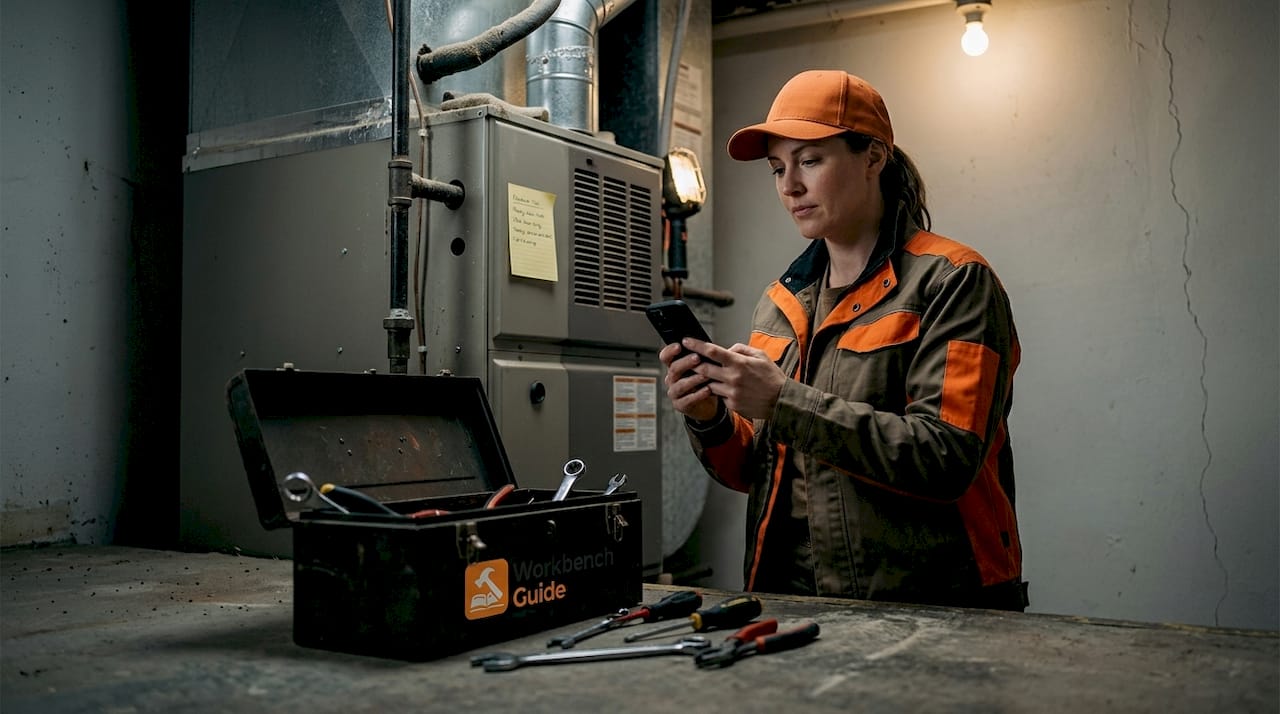
Prioritizing risk is the key move most homeowners skip. Not all tasks carry the same consequences if ignored. A dirty dryer vent is a fire hazard. A cracked caulk line around a window is cosmetic. Rank your tasks by the potential damage they cause when neglected, and tackle the highest-risk items first. From there, you decide who does what. Source control for indoor air quality is a great example of this principle in action. The EPA emphasizes using apps and calendar reminders for tracking, handling low-risk tasks yourself, and calling in pros for high-risk work.
Here is what a prioritized checklist framework should include:
- High-risk, pro-required tasks: HVAC inspections, electrical panel checks, roof assessments, and chimney sweeps
- High-risk, DIY-capable tasks: Dryer vent cleaning, smoke and carbon monoxide detector tests, water heater inspection
- Moderate-risk, DIY tasks: Gutter cleaning, air filter replacement, caulking around windows and doors
- Low-risk, regular upkeep: Cleaning range hood filters, checking outdoor hose bibs, lubricating door hinges
Pro Tip: Use a free app like Todoist or Google Calendar to set recurring reminders for each task category. Assign deadlines, attach photos of completed work, and track costs over time. This turns your checklist into a home maintenance record that’s invaluable when selling your property.
For budgeting, anchor yourself to the 1% rule. This means setting aside 1% of your home’s purchase price each year for maintenance. Our preventative maintenance guide breaks this down in more detail, and pairing it with our essential repair guides gives you a complete planning toolkit.
Seasonal home maintenance tasks: What to do and when
Once your checklist criteria are set, here’s exactly what to schedule throughout the year.
Breaking tasks down by season gives you clarity on timing and prevents you from cramming too many projects into one weekend. Each season comes with its own priorities based on weather exposure, system strain, and energy efficiency needs.
Spring tasks focus on reversing winter damage and preparing for warmer months:
- Inspect your roof for missing or cracked shingles after winter weather
- Clean out gutters and downspouts clogged with leaves and winter debris
- Check your foundation for cracks caused by freeze and thaw cycles
- Service your air conditioning unit before it’s needed on the first hot day
- Inspect window and door seals, replacing any weatherstripping that shrank or cracked
- Test all GFCI outlets in bathrooms, kitchens, and garages
- Flush your water heater to remove sediment buildup that reduces efficiency
Summer tasks are about upkeep and preparing systems for heavy use:
- Trim trees and shrubs away from the house to prevent pest entry and storm damage
- Inspect and clean your deck or patio, treating wood surfaces as needed
- Check attic ventilation to prevent heat buildup, which strains the roof and HVAC
- Inspect your irrigation or sprinkler system for leaks or misaligned heads
- Clean window screens and check for torn sections before mosquito season peaks
Fall tasks are arguably the most critical of the year because winter prep tasks require careful timing. Schedule a furnace and HVAC tune-up, clean gutters again after leaves drop, check attic insulation levels, clear your dryer vents, and test every smoke and carbon monoxide detector before you start relying on heating systems.
- Schedule a furnace tune-up and replace filters
- Clean gutters and flush downspouts after leaves have finished falling
- Inspect attic insulation and add more if levels are below recommended depth
- Clear the dryer vent from lint and blockage to prevent fire hazards
- Drain and store garden hoses, shut off outdoor water lines
- Test smoke detectors and carbon monoxide detectors, replacing batteries
Winter tasks focus on monitoring and minor upkeep:
- Check for ice dams forming on the roof edge during and after snowfall
- Inspect pipes in unheated spaces like garages or crawl spaces for freezing risk
- Monitor your heating bill for unusual spikes that signal system inefficiency
- Keep a path clear to your electrical panel, water shutoff, and HVAC unit
For your seasonal home prep to be truly effective, keep this schedule in a shared location where everyone in the household can see it. Our detailed checklist gives you a ready-to-use format, and for cold-climate homeowners, winterizing your home walks through the most important cold-weather steps.
| Task | Season | DIY or Pro | Frequency |
|---|---|---|---|
| HVAC tune-up | Spring & Fall | Pro | Twice yearly |
| Gutter cleaning | Spring & Fall | DIY | Twice yearly |
| Roof inspection | Spring | Pro | Annually |
| Dryer vent cleaning | Fall | DIY | Annually |
| Smoke detector test | Fall | DIY | Twice yearly |
| Attic insulation check | Fall | DIY/Pro | Annually |
| Water heater flush | Spring | DIY | Annually |
| Exterior caulking | Spring | DIY | Annually |
Pro Tip: Never schedule major fall tasks after the first frost. Caulk and sealants need above-freezing temperatures to bond properly, and HVAC technicians get booked solid once cold weather hits. Book your fall tune-up in September, not November.
DIY vs. professional maintenance: Making smart choices
Knowing what to do is step one, but deciding who should do it can make all the difference.
This is where a lot of homeowners make costly mistakes in both directions. Some try to DIY high-risk tasks they are not qualified for, which creates safety hazards and voids warranties. Others pay professionals for tasks they could handle themselves in 30 minutes. Getting this balance right saves real money.
Tasks you can safely DIY:
- Replacing HVAC filters every 1 to 3 months
- Cleaning dryer vents and range hood filters
- Inspecting weatherstripping and replacing caulk
- Testing and replacing smoke and carbon monoxide detector batteries
- Cleaning gutters and flushing downspouts
- Checking for visible plumbing leaks under sinks
Tasks that require a licensed professional:
- Electrical panel inspections and any wiring work
- HVAC system tune-ups involving refrigerant or internal components
- Roof repairs involving structural decking or flashing
- Gas line work of any kind
- Chimney cleaning and structural inspection
- Radon testing and mitigation system installation
Proactive home maintenance is more cost-effective than repairs when you follow the 1% rule as a baseline budget, scaling up to 4% for older homes where systems are aging and more prone to failure. The same research reinforces that DIY saves money on routine tasks, but calling in professionals for high-risk work protects both warranties and safety.
Moisture control is one area where the line between DIY and pro gets blurry. You can check for visible mold and manage minor humidity with a dehumidifier, but controlling indoor air quality for your home also means using MERV 13 or higher rated filters, testing radon levels in basements, and monitoring carbon monoxide, all tasks the EPA links directly to long-term health outcomes. A basic radon test kit costs under $30 and is a clear DIY win. Mitigation installation is not.
“Homeowners who invest consistently in routine maintenance spend significantly less over a home’s lifetime than those who wait for systems to fail. Prevention is almost always cheaper than emergency repair.” This reflects the consensus among home services professionals and is backed by data showing that deferred maintenance costs multiply over time.
| Task | DIY Cost | Pro Cost | Risk if Skipped |
|---|---|---|---|
| HVAC filter replacement | $10 to $30 | $80 to $150 | High: system failure |
| Dryer vent cleaning | $0 to $20 | $100 to $175 | High: fire hazard |
| Gutter cleaning | $0 to $50 | $100 to $250 | Medium: water damage |
| Electrical inspection | Not recommended | $150 to $300 | Very high: fire/shock risk |
| Roof inspection | Limited DIY | $150 to $350 | Very high: structural damage |
| Radon test | $15 to $30 | $400+ (mitigation) | High: health risk |
For detailed guidance on HVAC upkeep, our HVAC maintenance guide covers exactly what to check and when. And if you want a broader look at how small checks save serious money, see our guide on preventing costly repairs.
Why smart tracking and preventive care always pays off
With the line between DIY and pro clearer, here’s what real-world insight tells us about maintenance success.
Here is the uncomfortable truth most home maintenance articles skip over: the checklist itself is not what saves your home. Consistency is. We have seen homeowners build beautiful, detailed checklists, then ignore them for 18 months because life gets busy. When they finally open it again, there is a $6,000 HVAC replacement waiting for them that a $90 tune-up would have prevented.
The homeowners who consistently protect their properties are not necessarily more skilled. They are better organized. They use apps, set recurring calendar events, and treat home maintenance like a subscription they pay into monthly rather than a crisis they manage annually. This mindset shift is the real differentiator.
There is also a trap in focusing only on big seasonal tasks. The highest-impact maintenance habits are often the smallest ones: replacing filters on time, checking under sinks once a month, and walking your exterior after every major storm. These micro-tasks cost almost nothing and catch problems when they are still cheap to fix.
Another underappreciated reality is that your home’s age dramatically changes your maintenance equation. A 10-year-old home with original systems runs on a different budget and schedule than a 30-year-old home with an aging roof and a furnace approaching end-of-life. Adjusting your checklist and budget upward as your home ages is not optional. It is the difference between being proactive and being reactive.
Tracking tools available through our smart tracking tools page give you a structured starting point so you are not building from scratch. The hardest part of maintenance is not knowing what to do. It is remembering to do it, on schedule, every time.
Next steps: Confident home care with WorkbenchGuide
If you’re ready to move from theory to action, here’s how WorkbenchGuide can help you confidently manage every maintenance task.
WorkbenchGuide was built specifically for homeowners who want to stay ahead of their home, not constantly behind it. Start with our complete checklist to get a ready-made, season-by-season task plan you can use immediately. From there, our full library of maintenance guides covers everything from HVAC to plumbing to exterior upkeep with simple, step-by-step instructions. When you run into something that needs a professional, our repair tutorials help you understand what is involved so you can hire smarter and avoid being overcharged. Your home deserves a system, not guesswork.
Frequently asked questions
How often should I clean gutters and check my HVAC system?
Clean gutters twice a year, ideally in spring and fall, and schedule HVAC tune-ups in both seasons to catch issues before peak heating and cooling demand.
What maintenance tasks should always be handled by a professional?
Electrical systems, significant HVAC work, and roof repairs all require licensed professionals to ensure safety and protect warranties, since DIY attempts on these systems can void coverage and create liability.
Does tracking tasks in an app really make a difference?
Using apps and reminders for home maintenance tracking significantly improves consistency and helps homeowners catch small problems before they turn into expensive, time-sensitive repairs.
How does the 1% rule help with maintenance budgeting?
The 1% rule means setting aside 1% of your home’s value per year for upkeep, but older homes may need up to 4% annually as aging systems require more frequent attention and replacement.
Recommended
- Preventing Costly Home Repairs: The Small Checks That Save Thousands – WorkbenchGuide
- Winterizing Your Home: Simple Steps to Prevent Costly Repairs
- Why Annual HVAC Service Prevents Repairs and Saves Money
- Preventative maintenance: Save money and protect your home
- Spring Sewer Maintenance Checklist for Maine Homeowners: Prevent Costly Repairs