Author: 974009pwpadmin

  • How to maintain your HVAC: homeowner guide to boost efficiency

    How to maintain your HVAC: homeowner guide to boost efficiency

    Your air conditioner dies on the hottest day of the year. The repair bill lands at $900. Sound familiar? That scenario plays out in thousands of homes every summer, and the frustrating part is that most of those breakdowns were completely avoidable. A few simple maintenance habits, done consistently, can keep your HVAC running efficiently for years and save you from the gut-punch of an emergency repair call. This guide walks you through exactly what to do, when to do it, and how to know when it’s time to call in a pro.


    Table of Contents

    Key Takeaways

    Point Details
    DIY core tasks matter Changing filters, clearing drains, and basic cleaning are the most impactful homeowner steps.
    Professional tune-ups pay off Seasonal service visits prevent surprise breakdowns and costly emergency repairs.
    Consistency protects your budget Simple routines done on time extend system life and boost efficiency, saving money long-term.
    Know your limits Leave refrigerant, electrical, and gas work to certified pros for safety and warranty protection.

    Get ready: Tools, safety, and what you can (and can’t) do

    Before you roll up your sleeves, let’s break down what you can safely tackle and what requires an expert.

    Not every HVAC task belongs on your weekend to-do list. Some jobs are genuinely DIY-friendly, while others carry real safety risks or can void your system warranty if you attempt them without a license.

    What’s safe for DIY vs. what needs a pro:

    Task DIY safe? Notes
    Replacing air filters Yes Every 1-3 months
    Clearing debris from condenser Yes Power off first
    Flushing condensate drain Yes Use vinegar or a stiff brush
    Cleaning supply/return vents Yes Vacuum and wipe
    Refrigerant handling No Licensed technician only
    Electrical component repair No Shock and fire risk
    Gas combustion inspection No Carbon monoxide hazard
    Coil chemical cleaning No Requires proper equipment

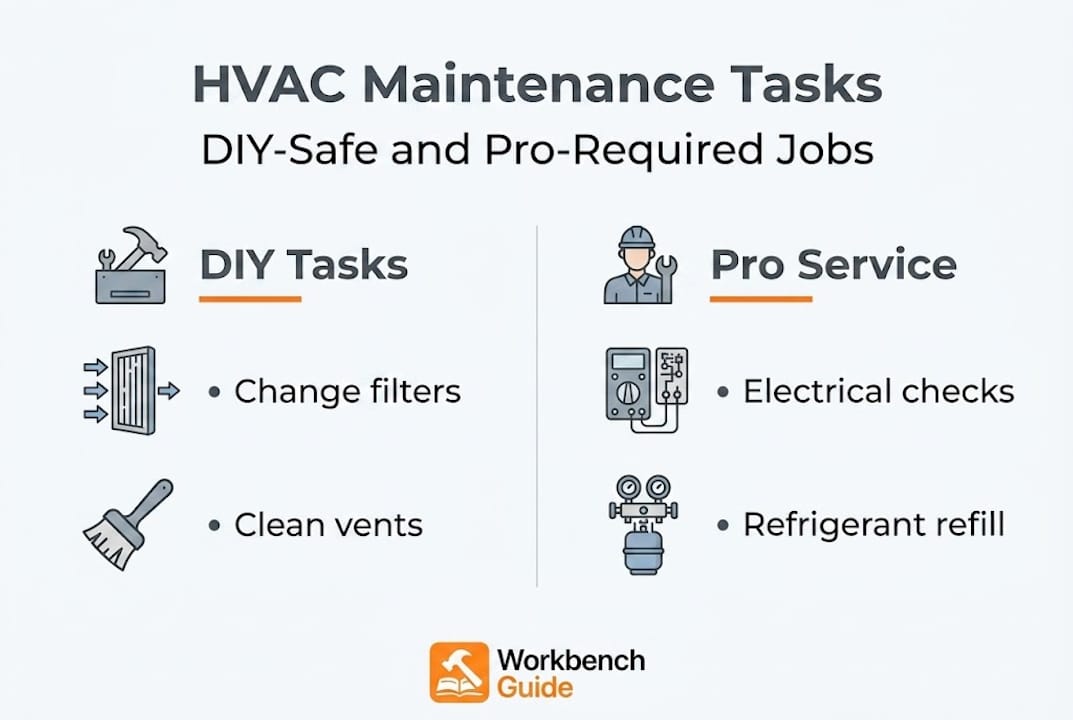
    Infographic of HVAC DIY and professional tasks

    As a general rule, DIY-safe tasks include filters, debris removal, drain flushing, and vent cleaning. Never attempt refrigerant work, electrical repairs, or gas combustion checks yourself since these carry serious safety hazards and can void your warranty.

    Essential safety steps before you start:

    • Turn off power at the thermostat AND the breaker before touching any component
    • Wear gloves and a dust mask when handling old filters or cleaning coils
    • Never use a pressure washer on coils or fins; the force bends them instantly
    • Keep a flashlight handy to inspect dark areas inside the air handler

    Basic tool and supply checklist:

    • New air filters (correct size, check your owner’s manual)
    • Rubber gloves and safety glasses
    • White distilled vinegar (for drain line flush)
    • Stiff wire or drain cleaning brush
    • Garden hose with gentle spray nozzle
    • Fin comb (optional, for bent fins)
    • Vacuum with brush attachment
    • Screwdrivers (flathead and Phillips)

    Special cases: Heat pumps run year-round, so they need maintenance in both spring and fall. Mini-splits have washable filters inside each wall unit. Older systems (10+ years) benefit from twice-yearly professional checks even if they seem to be running fine.

    Pro Tip: Before any maintenance session, snap a photo of your current filter, thermostat settings, and any visible components. If something looks different after you’re done, you have a clear reference point.

    Staying on top of these tasks is much easier when you work from a solid maintenance checklist rather than trying to remember everything from scratch each season. Small, consistent checks are exactly what preventing costly repairs is all about.


    Step-by-step DIY tasks to boost efficiency and prevent breakdowns

    Now that you’re set with the right tools and know your limits, let’s walk through HVAC maintenance tasks you can do yourself.

    These four core tasks take less than an hour combined, yet they address the most common causes of HVAC inefficiency and unexpected breakdowns. Work through them in order for the cleanest, safest results.

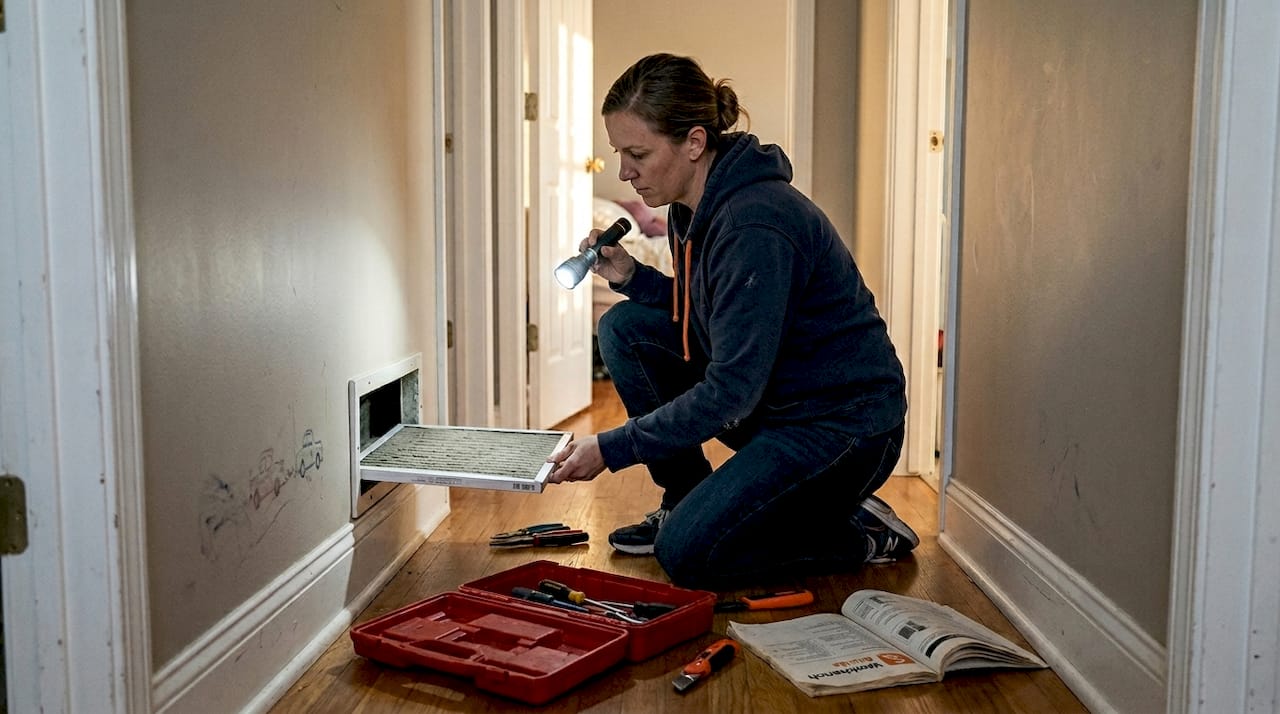
    1. Change the air filter

    1. Turn off your system at the thermostat.
    2. Locate the filter slot, usually at the return air vent or inside the air handler cabinet.
    3. Note the arrow on the filter frame showing airflow direction before removing the old one.
    4. Slide out the old filter and seal it in a bag immediately to trap dust and allergens.
    5. Insert the new filter with the arrow pointing toward the blower motor.
    6. Write the installation date on the filter frame with a marker.

    The Department of Energy recommends replacing or cleaning air filters every 1-3 months, or monthly if you have pets, live in a dusty area, or run your system heavily. A clogged filter forces the blower to work harder, which raises your energy bill and stresses the motor.

    2. Clear the condensate drain line

    1. Locate the PVC drain pipe near your indoor air handler, usually a white pipe leading to a floor drain or outside.
    2. Pour one cup of white distilled vinegar into the access port (a T-shaped cap on the pipe).
    3. Wait 30 minutes, then flush with a cup of clean water.
    4. If the line is severely clogged, use a stiff wire or wet/dry vacuum at the outdoor end to pull the blockage out.

    Carrier recommends clearing the condensate drain line monthly with vinegar or a stiff wire to prevent clogs, water damage, and system shutdowns. A backed-up drain can trigger the float switch that shuts your system off entirely, leaving you with no cooling on a hot day.

    3. Clean the outdoor condenser unit

    1. Shut off power at the disconnect box next to the unit.
    2. Remove any leaves, grass clippings, or debris from around the base and inside the top grille.
    3. Trim any vegetation to at least 2 feet away from all sides of the unit.
    4. Use a garden hose on a gentle setting to rinse the coil fins from the inside out, which pushes debris outward rather than deeper into the coil.
    5. Let the unit dry for 10-15 minutes before restoring power.

    Trane’s maintenance guidance confirms this approach: remove debris, trim vegetation 2 feet away, and gently rinse coils with a hose rather than a pressure washer. Blocked condenser coils force the compressor to run hotter and longer, which is one of the fastest ways to shorten your system’s life.

    4. Clean supply and return vents

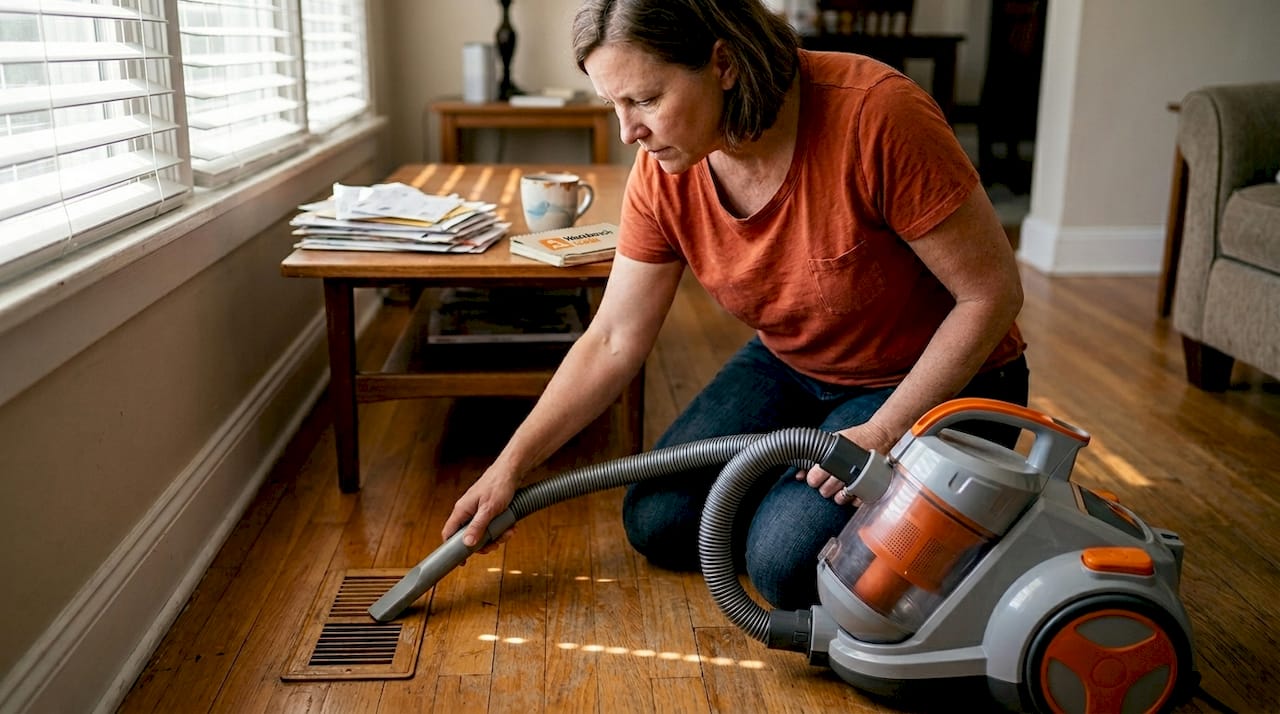
    Remove each vent cover, vacuum the duct opening as far as your attachment reaches, and wipe the cover clean before reinstalling. This takes about 5 minutes per vent and noticeably improves airflow.

    Pro Tip: If water drips from your indoor unit or you notice a musty smell, your condensate drain is likely clogged. Check it before assuming a bigger problem exists.

    You can find detailed, season-specific instructions for all of these tasks in our HVAC maintenance guides.


    Extra care: Coils, fins, and special system needs

    Beyond the basics, some HVAC parts need extra attention and sometimes a professional’s touch.
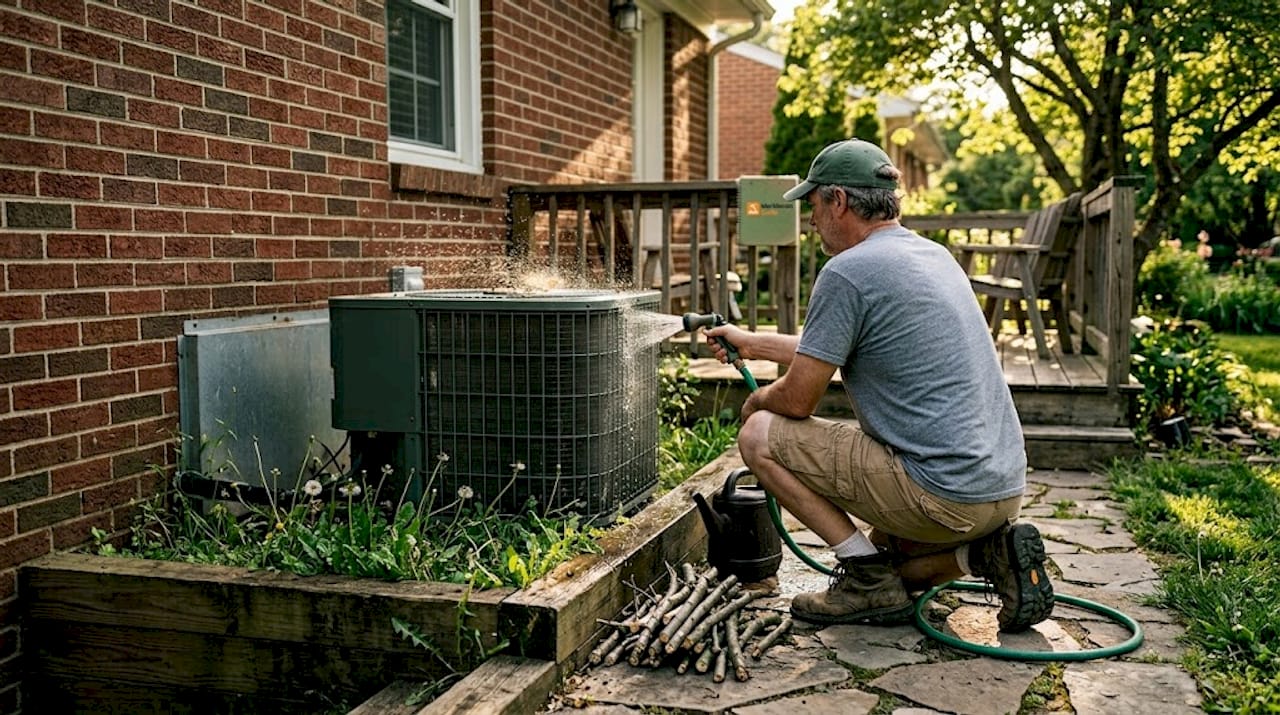
    Homeowner rinsing outdoor HVAC condenser unit

    Your system’s coils and fins do the actual work of transferring heat. When they’re dirty or damaged, efficiency drops fast and your energy bill climbs. Understanding how to care for them, and when to step back, saves you money and prevents accidental damage.

    Why coils and fins matter

    The evaporator coil (inside) absorbs heat from your home’s air. The condenser coil (outside) releases that heat outdoors. Both are covered in thin aluminum fins that maximize surface area for heat transfer. When those fins get coated in dust or bent out of shape, airflow is restricted and the system has to work harder to do the same job.

    Dirty coils can reduce efficiency by up to 37%, and neglected systems use 20-40% more energy overall. Preventive maintenance extends system life by 5-10 years with a reported ROI of 545%. Those numbers make a strong case for spending 45 minutes on maintenance rather than waiting for a breakdown.

    Coil and fin care by system type:

    System type DIY coil care Special notes
    Central AC Rinse outdoor coil gently with hose Avoid chemical cleaners unless trained
    Heat pump Clean both indoor and outdoor coils Never cover the unit in winter
    Mini-split Wipe indoor unit coil with damp cloth Wash reusable filter monthly
    Older systems (10+ yrs) Visual inspection only Schedule pro cleaning twice yearly

    Bent fins: fix or leave it?

    Fins bend easily from hail, debris, or accidental contact. A fin comb (a cheap tool available at any hardware store) can straighten them if you’re comfortable working carefully around the coil. However, Lennox advises that inspecting and straightening bent fins with a fin comb should only be done by qualified individuals; otherwise, leave it to a professional. If more than 20% of the fins on a coil look crushed or matted, call a technician.

    System-specific tips:

    • Heat pumps: These run in both heating and cooling modes, so they need seasonal checks in spring and fall. Never cover a heat pump in winter since it needs airflow to operate.
    • Mini-splits: Each indoor unit has a washable filter behind the front panel. Pop it open, rinse the filter under warm water, let it dry completely, and reinstall. Do this monthly during heavy use.
    • Older systems: Systems over 10 years old are more prone to refrigerant leaks and electrical wear. A twice-yearly professional inspection catches small problems before they become expensive ones.

    Pro Tip: Check your home maintenance tips library for seasonal reminders specific to your climate zone. A homeowner in Phoenix has very different coil cleaning needs than one in Minnesota.


    When and why to schedule professional service

    Even with diligent DIY care, periodic professional maintenance is essential. Here’s what to expect and how it protects your investment.

    DIY maintenance handles the surface-level work. A licensed HVAC technician goes deeper, checking components you can’t safely access and catching problems that don’t show obvious symptoms until they cause a breakdown.

    What a professional tune-up typically includes:

    1. Refrigerant level check and leak test
    2. Electrical connection inspection and tightening
    3. Capacitor and contactor testing
    4. Coil cleaning with professional-grade solutions
    5. Blower motor lubrication and belt inspection
    6. Thermostat calibration check
    7. Condensate drain inspection and flush
    8. Safety control testing

    Lennox recommends scheduling professional tune-ups twice yearly: spring for the cooling system and fall for the heating system. This timing ensures your equipment is ready before peak demand hits, which is exactly when failures are most likely and most expensive.

    Cost comparison: what you’re really paying for

    Service type Typical cost What it covers
    DIY maintenance $10-30 (supplies) Filters, drain, debris, vents
    Professional tune-up $80-150 Full system inspection and cleaning
    Annual maintenance plan $150-500/year Two tune-ups plus priority service
    Emergency repair $300-1,200+ Single repair, no prevention

    Emergency repairs cost 3-5 times more than a standard tune-up, ranging from $300 to $1,200 or more compared to $80-150 for a scheduled visit. Annual residential plans typically run $150-500 and often include discounts on parts and priority scheduling.

    The real math: If a $150 tune-up prevents a single $600 compressor repair, you’ve saved $450 and avoided a week of waiting in the heat. Do that twice and you’ve more than paid for a full year of professional service.

    When to call sooner rather than later:

    • Your energy bill spikes with no change in usage
    • The system cycles on and off more frequently than usual
    • You hear grinding, squealing, or banging sounds
    • Rooms that used to cool quickly now feel uneven
    • You notice ice forming on the refrigerant lines

    You can get a realistic sense of typical service costs in your area before calling a contractor, so you’re never walking into a quote blind.


    Why most homeowners stop short—and how a simple system beats expensive repairs

    Here’s the uncomfortable truth: most homeowners already know they should change their filters and clean their condenser. The information isn’t the barrier. The barrier is that HVAC maintenance feels invisible. When you fix a leaky faucet, you see the result immediately. When you flush a drain line, nothing dramatic happens. The payoff is a breakdown that never occurs, which is genuinely hard to appreciate.

    That invisibility leads to a pattern we see constantly: homeowners either do nothing until something breaks, or they overcomplicate it with elaborate maintenance programs they abandon after two months. Neither extreme works.

    What actually works is a simple, scheduled routine tied to something you already do. Change your filter when you pay your quarterly utility bill. Flush the drain line on the first day of each month during cooling season. Rinse the condenser coil every spring before you turn the AC on for the first time. These aren’t big tasks. They take minutes. But they compound over years into a system that runs efficiently, lasts longer, and rarely surprises you with a four-figure repair bill.

    The homeowners who protect their investment best aren’t the ones with the most sophisticated tools. They’re the ones using easy maintenance systems that make it nearly impossible to forget. A checklist on your phone. A calendar reminder. A simple log of when you last changed the filter. That’s it. No gadgets required.


    Streamline your HVAC and home care with WorkbenchGuide

    Ready to put these maintenance habits on autopilot? Here’s how to make it even easier.

    Keeping track of filter change dates, drain flush schedules, and professional service appointments across an entire home is a lot to manage mentally. WorkbenchGuide is a modern home maintenance platform built specifically for homeowners who want to stay ahead of repairs without turning home care into a second job. You get smart maintenance reminders, a detailed maintenance checklist that covers every season, and step-by-step guides for tasks just like the ones in this article. When a job goes beyond DIY, WorkbenchGuide connects you with trusted contractors so you’re never scrambling in an emergency.


    Frequently asked questions

    How often should HVAC filters be replaced?

    Replace or clean your filters every 1-3 months, or monthly if you have pets, high dust levels, or run your system heavily. Consistent replacement is the single easiest way to maintain airflow and efficiency.

    Is it safe to clean HVAC coils myself?

    You can gently rinse outdoor coil fins with a garden hose, but straightening bent fins or applying chemical coil cleaners is best left to a licensed technician. Lennox notes that fin straightening should only be done by qualified individuals to avoid damaging the coil.

    What are signs my HVAC needs professional service?

    Increased energy bills, uneven temperatures between rooms, unusual noises like grinding or squealing, or frequent short cycling all signal it’s time for a professional tune-up rather than a DIY fix.

    How much can regular maintenance save on repairs?

    Preventive maintenance can extend your HVAC’s life by 5-10 years and reduce energy use by 20-40%, which translates to thousands of dollars saved over the life of the system.

    What is a typical cost of annual HVAC maintenance?

    Annual residential maintenance plans typically range from $150 to $500 per year and usually include two seasonal tune-ups plus priority scheduling for repairs.
  • Seasonal Home Prep: Keep Your Property Protected

    Seasonal Home Prep: Keep Your Property Protected

    Most homeowners think seasonal home prep is something you do if you live in Minnesota or Maine, where winters are brutal and summers are sweltering. But even if you live in a mild climate, seasonal changes, extended vacations, and shifting humidity levels put real stress on your home every single year. Skipping prep doesn’t just leave your house vulnerable to weather. It opens the door to mold, pest infestations, burst pipes, and roof damage that can cost thousands to fix. This guide breaks down exactly what seasonal home prep means, why it matters regardless of where you live, and how to do it right before problems find you first.

    Table of Contents

    Key Takeaways

    Point Details
    Comprehensive protection Seasonal home prep protects both the inside and outside of your property from preventable damage.
    Plan ahead Starting prep about three weeks before each season or departure allows time for repairs and reduces last-minute stress.
    Vacancy requires extra care Homes left unoccupied need advanced checklists to prevent risks like mildew, security issues, and insurance complications.
    System matters Using checklists and smart tools can simplify prep and help you maintain long-term property value.

    Defining seasonal home prep: More than spring cleaning

    Seasonal home prep is a structured, checklist-driven approach to maintaining your home before each major season or period of unoccupancy. It goes far beyond wiping down counters or clearing out the garage. Think of it as a full systems review, where you check every part of your home that weather, temperature swings, or vacancy could affect.

    A useful way to understand its scope: seasonal home prep includes checklist-based tasks for both interior and exterior of a property, intended to reduce risks associated with weather and vacancy. That covers everything from your plumbing and HVAC system to your roof, gutters, windows, and landscaping.

    Here’s what a complete seasonal prep covers:

    • Interior systems: HVAC filters and servicing, water heater checks, pipe insulation, appliance maintenance, and smoke or carbon monoxide detector testing
    • Exterior structure: Roof inspection, gutter cleaning, window and door sealing, deck or patio checks, and drainage assessment
    • Yard and landscaping: Tree trimming, irrigation winterization, lawn treatment, and removing debris that could become a hazard
    • Security and pest control: Checking entry points, setting timers for lights, sealing cracks that allow pest entry, and setting traps if needed
    • Unoccupancy readiness: Adjusting thermostat settings, unplugging electronics, shutting off water valves, and arranging for someone to check in

    “Seasonal home prep is not a one-time event. It’s an ongoing system that protects your home’s structure, systems, and value across every season of the year.”

    What makes this approach different from one-off repairs is the mindset behind it. You’re not fixing problems after they happen. You’re preventing them before they start. A seasonal home maintenance checklist gives you a reliable framework so nothing slips through the cracks.

    Many homeowners only discover the gaps in their prep after a storm rips off loose shingles, a frozen pipe bursts in the wall, or they return from a two-month trip to find mold growing behind the refrigerator. These are not freak accidents. They’re the predictable result of skipping routine prep. The good news is that most of these problems are entirely avoidable with a little planning and the right DIY home prep guides to walk you through each task step by step.

    Some prep tasks are clearly seasonal, like cleaning gutters in fall or checking your AC before summer. But others, like testing smoke detectors, inspecting weather stripping, and checking for pest entry points, apply year-round and should be reviewed every time you do a seasonal walkthrough.

    Core components of seasonal home prep: Interior and exterior essentials

    Now that you know what seasonal prep covers, let’s get specific about the tasks that matter most inside and outside your home. The goal here is to build a system, not just a to-do list.

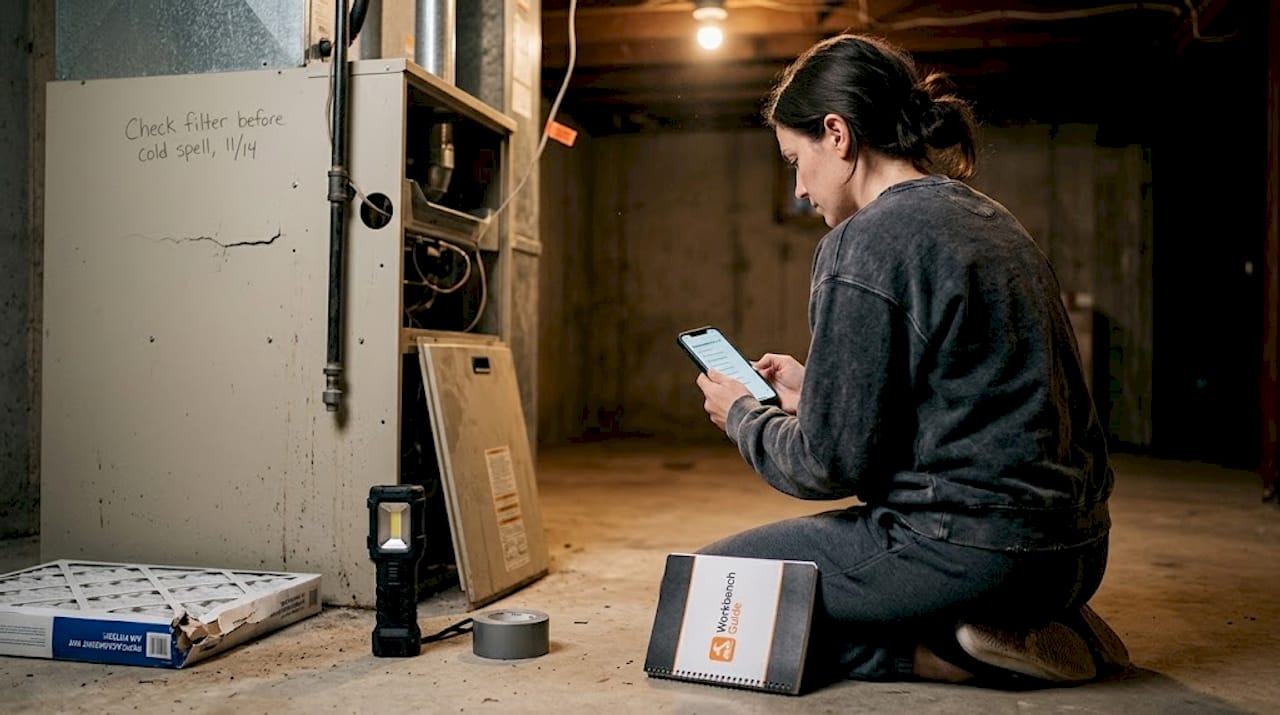
    Person checking basement furnace maintenance tasks

    Interior must-dos by season

    Task Spring Summer Fall Winter
    Service HVAC system
    Replace air filters
    Test smoke and CO detectors
    Inspect pipes for leaks
    Shut off and drain outdoor water
    Check water heater settings
    Unplug unused electronics

    Exterior must-dos by season

    • Spring: Inspect the roof for winter damage, clean gutters of debris, check window seals and caulking, assess the foundation for cracks caused by frost heave
    • Summer: Trim trees and shrubs away from the house, check deck boards for rot or loose fasteners, inspect the driveway for cracks that heat can widen
    • Fall: Clean gutters again after leaves drop, seal any gaps around windows and doors, service your heating system before it’s needed, check weatherstripping
    • Winter: Monitor attic insulation to prevent ice dams, check that outdoor faucets are fully drained, keep an eye on roof snow load in heavy-snowfall areas

    Checklist-based tasks for both interior and exterior are central to minimizing risk and damage during seasonal transitions or extended absence. That’s not just theory. Homeowners who follow a structured checklist catch problems early, when they’re still cheap to fix.

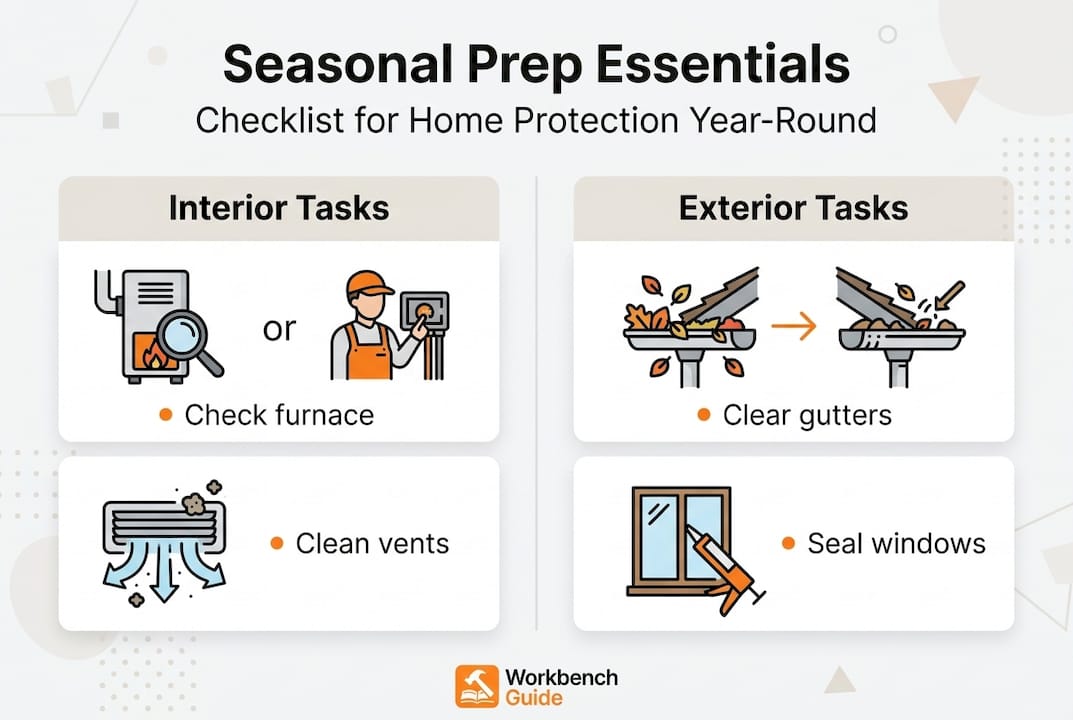
    Seasonal home prep essentials infographic chart

    Security and pest control often get treated as separate issues, but they belong in your seasonal prep. Rodents and insects are more likely to enter your home in fall when temperatures drop. Sealing cracks around pipes, vents, and the foundation is one of the most cost-effective things you can do. Similarly, checking that door locks, window latches, and exterior lighting work properly is a five-minute task that pays dividends all season.

    Pro Tip: Start your seasonal prep at least three weeks before a major weather change or planned departure. That window gives you time to schedule a contractor if you find something that needs professional attention, like a cracked heat exchanger or a failing roof section. Rushing prep in the final days means skipping steps, and skipped steps are where damage hides. Following a full maintenance checklist keeps you organized from start to finish.

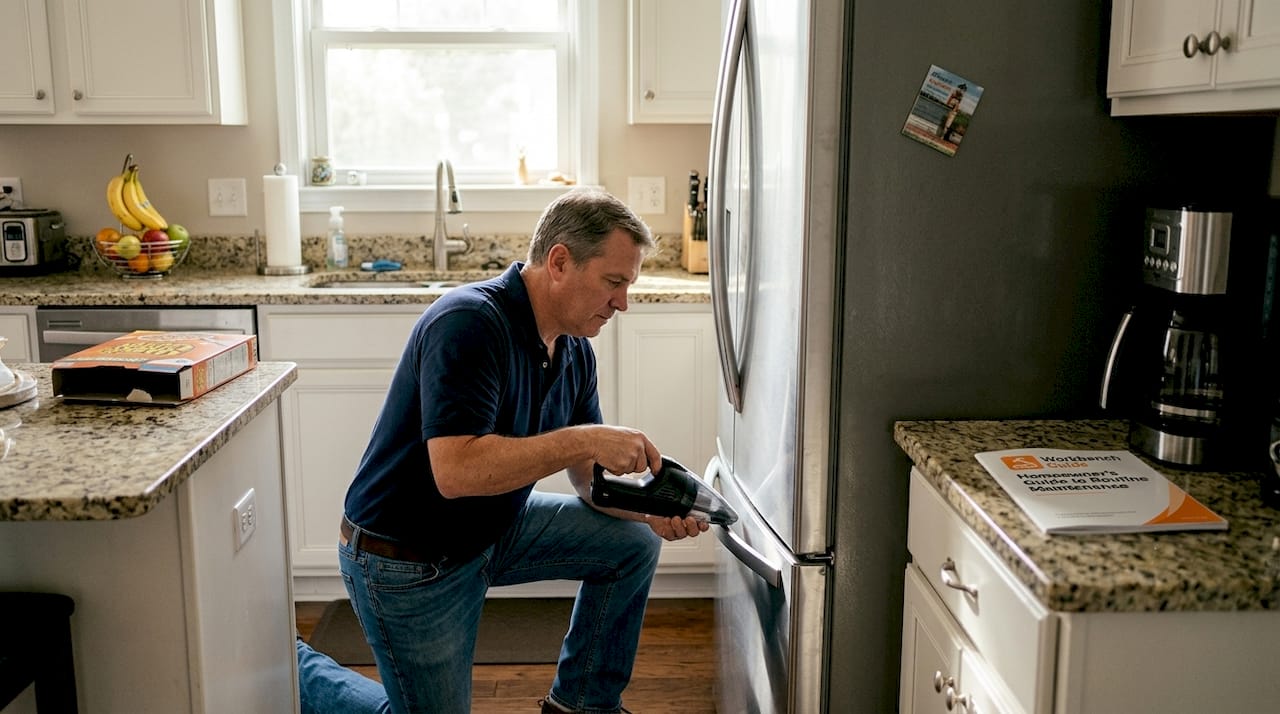
    One of the most overlooked interior tasks is checking your refrigerator coils and dryer vent. Dusty coils make your fridge work harder and shorten its lifespan. A clogged dryer vent is a leading cause of house fires. These are five-minute checks that most homeowners skip entirely because they’re not visible from the outside.

    Seasonal timing: When to start prepping and why it matters

    Knowing what to do is only half the battle. Knowing when to do it is what separates homeowners who stay ahead of problems from those who spend weekends dealing with emergencies.

    Best practices suggest starting seasonal prep about three weeks before departure or weather changes to allow time for essential repairs. That three-week buffer is not arbitrary. It accounts for contractor availability, shipping time for parts, and the reality that one repair often reveals another.

    Here’s a practical seasonal prep calendar to keep you on track:

    Season Start prep Key focus areas
    Spring Late February Roof inspection, HVAC service, exterior drainage
    Summer Early May Pest control, deck and patio, irrigation systems
    Fall Early September Gutter cleaning, heating system, weatherstripping
    Winter Early November Pipe insulation, water shutoffs, attic insulation

    If you’re pressed for time and can’t do everything at once, prioritize in this order:

    1. Water systems first. A burst pipe or water intrusion causes more damage faster than almost any other issue. Shut off outdoor faucets, check hose bibs, and inspect supply lines under sinks.
    2. Heating and cooling second. A failed furnace in January or a broken AC in July creates immediate discomfort and can be dangerous for vulnerable family members.
    3. Roof and gutters third. Water that can’t drain properly backs up under shingles and into your walls. A one-hour gutter cleaning prevents thousands in water damage.
    4. Security and pest control fourth. These are easier to address quickly but still need to be on your list before you leave for an extended period.
    5. Appliances and electronics last. Unplugging devices and checking appliances is fast and low-risk, but it still matters, especially if you’re leaving the home unoccupied.

    Delayed prep carries real consequences. Homes that go into winter without proper weatherstripping lose significant heat, driving up energy bills. Gutters clogged through fall overflow during winter thaws, sending water into basements and crawl spaces. Understanding how automated maintenance schedules work can take the guesswork out of timing entirely, sending you reminders before each season so you never fall behind.

    The single biggest timing mistake homeowners make is waiting until the first cold snap or the week before a trip to start. By then, HVAC technicians are booked solid, roofing contractors have a three-week backlog, and you’re stuck doing a rushed job or skipping tasks entirely. Early action is the single most effective thing you can do to keep prep manageable and affordable.

    Special cases: Prep for extended absence or vacation homes

    Routine seasonal prep and extended-absence prep share a lot of overlap, but leaving a home vacant for weeks or months introduces risks that a standard checklist doesn’t fully address. The stakes are higher, and the margin for error is smaller.

    Leaving a home unoccupied requires additional interior, exterior, and security procedures to mitigate risks while the property is vacant. Here’s what that looks like in practice:

    • Shut off the main water supply and drain the pipes if you’re leaving during freezing weather. Even a slow drip from a failed supply line can cause catastrophic water damage when no one is home to catch it.
    • Set your thermostat to a minimum of 55°F in winter. This keeps pipes from freezing without running your heating system at full cost. In summer, set it no higher than 85°F to prevent humidity buildup and mold.
    • Unplug all non-essential electronics. This reduces fire risk and cuts phantom energy draw. Leave only what needs to stay on, like a security system or a smart thermostat.
    • Arrange for a trusted neighbor or property manager to check in at least once a week. They can spot a leak, a broken window, or a pest problem before it becomes a disaster.
    • Invest in smart home monitoring. Water leak sensors, security cameras, and smart smoke detectors can alert you to problems in real time, even from across the country.
    • Notify your insurance company. Many homeowner’s policies have specific clauses about unoccupied properties. If your home is vacant beyond a certain period, typically 30 to 60 days, your coverage may be reduced unless you’ve notified your insurer and taken specific precautions.

    The insurance angle is one that catches homeowners off guard. A claim filed after a pipe burst in a home that was vacant for 45 days without notification can be denied or reduced significantly. Document your prep with dated photos before you leave. A photo of the water shutoff valve in the off position, the thermostat setting, and the locked doors takes five minutes and can save you from a coverage dispute.

    Pro Tip: Always document your prep with photos for insurance purposes. Store them in a cloud folder labeled with the date and property address. If a claim ever comes up, that documentation shows your insurer that you took reasonable precautions before leaving.

    A vacation home prep checklist tailored to extended absence goes beyond the standard seasonal tasks and covers the specific steps that protect an unoccupied property from the unique risks it faces.

    Why seasonal prep pays off: What most guides overlook

    Here’s what most seasonal prep guides won’t tell you: the real value isn’t in the tasks themselves. It’s in the mindset shift that comes from treating your home like an investment rather than just a place to live.

    Standard checklists are useful, but they focus on the “what” without addressing the “why.” When you understand that cost-saving maintenance tips compound over time, the same way interest compounds in a savings account, you start to see prep differently. Every $50 gutter cleaning prevents a potential $3,000 water damage repair. Every $20 weatherstripping replacement cuts your heating bill for years.

    The homes that “never seem to have problems” aren’t lucky. They’re owned by people who do boring, invisible maintenance consistently. No one posts photos of their freshly serviced HVAC unit on social media. But those homeowners are the ones who never face a $6,000 emergency furnace replacement in January.

    Most money-saving home decisions are quiet and unglamorous. They happen in crawl spaces, on ladders, and in utility rooms. The payoff isn’t dramatic. It’s the absence of drama, and that’s exactly the point.

    Take control with expert-led checklists and smart tools

    Seasonal home prep doesn’t have to feel overwhelming or easy to forget. Workbench Guide gives you everything you need to stay on top of it, from a home maintenance checklist that covers every season to step-by-step guidance for every task on your list. Whether you’re prepping for winter, closing up a vacation home, or just trying to stay ahead of repairs, our curated DIY guides walk you through each job with clear instructions and smart reminders. Stop guessing what needs to be done next and start working from a system that keeps your home protected and your repair costs low all year long.

    https://workbenchguide.com

    Frequently asked questions

    What is seasonal home prep?

    Seasonal home prep is the process of performing specific maintenance tasks to protect a home from weather changes and risks associated with each season. Checklist-based tasks for both interior and exterior are central to minimizing risk and damage during seasonal transitions.

    Why is seasonal home prep important?

    Proper seasonal prep reduces the risk of damage from weather, pests, and extended vacancy, preserving your home’s value and saving money on repairs. Seasonal home prep reduces risks like mildew, storm damage, and pest infestation that can quietly escalate into major expenses.

    When should I start seasonal home prep?

    Start your seasonal home prep about three weeks before major weather changes or before leaving your home unoccupied. Starting three weeks early gives you enough time to address any repairs that come up during your inspection.

    What should I do differently if I leave my home unoccupied for the season?

    Follow a more thorough checklist that includes shutting off water, adjusting the thermostat, securing entry points, arranging check-ins, and documenting everything for insurance. Preparing before extended unoccupancy includes interior, exterior, and security tasks specifically designed to reduce risk during vacancy.

    Are there any tools to help with seasonal home prep?

    Yes, digital checklists and scheduling tools can automate reminders and track completed prep tasks for each season, so nothing gets missed and you always know what’s coming up next.

  • Emergency Home Repairs: A Step-by-Step Guide for Homeowners

    Emergency Home Repairs: A Step-by-Step Guide for Homeowners

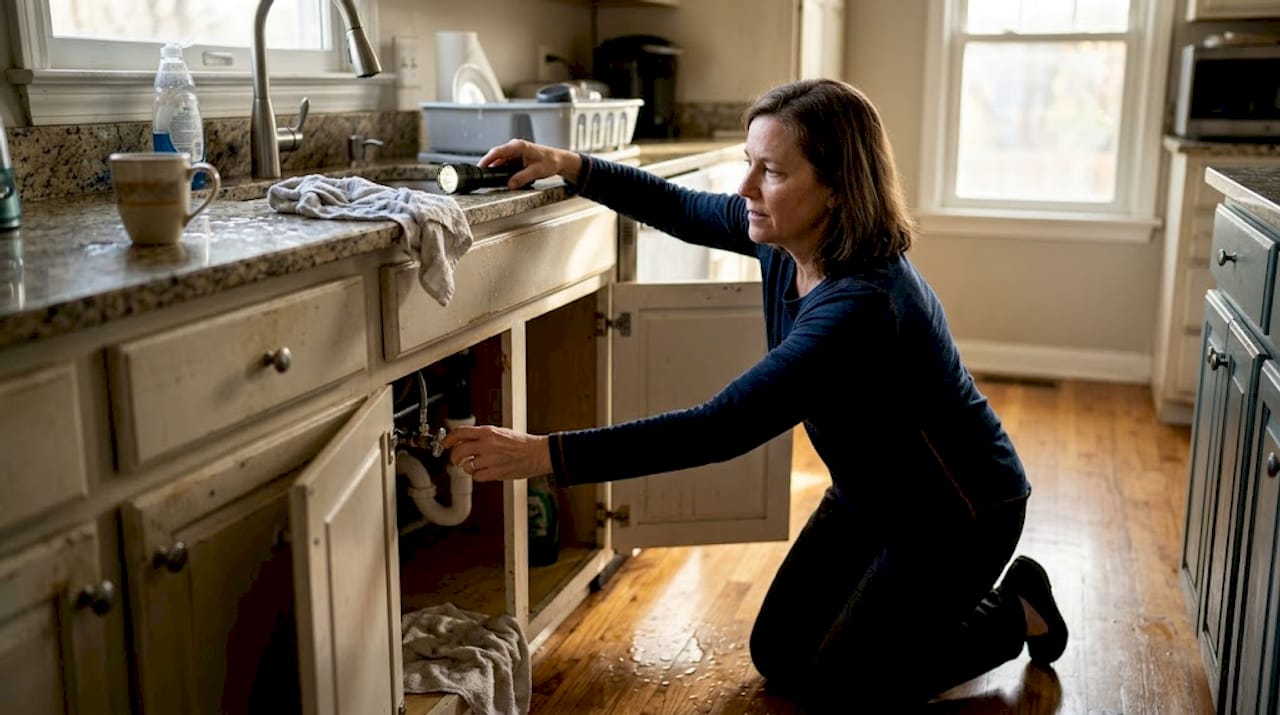
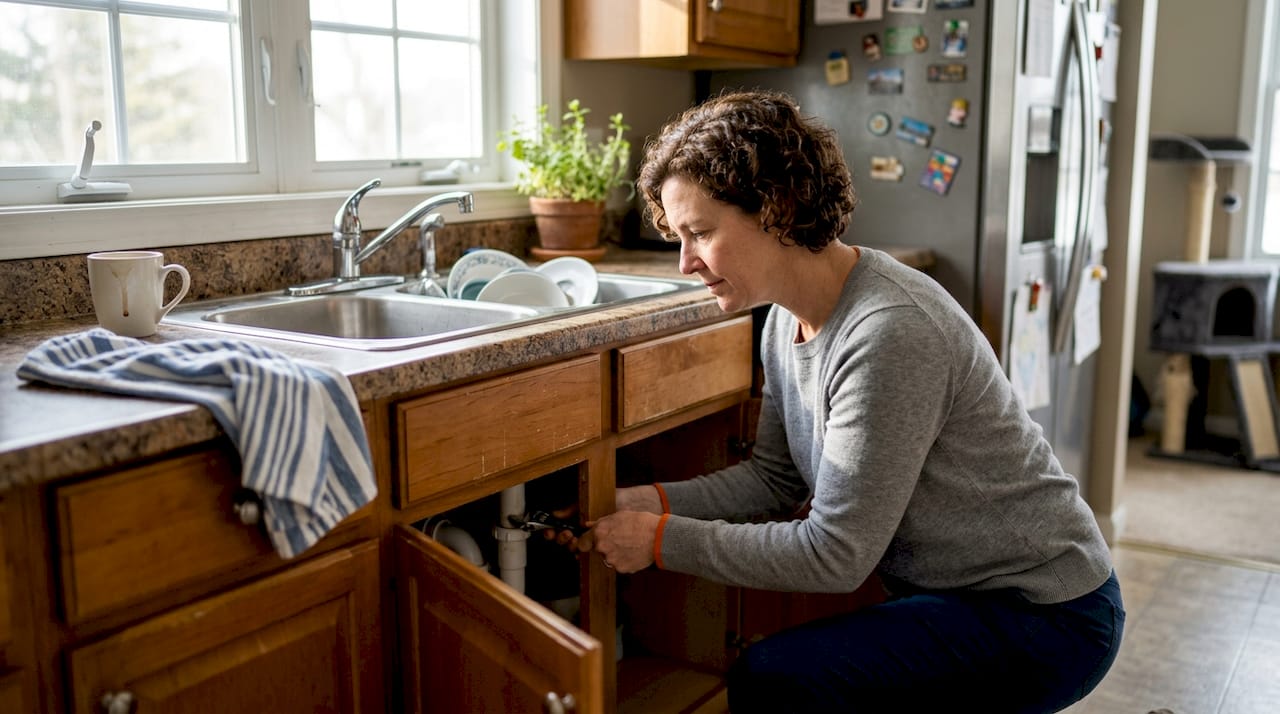
    It’s midnight. Water is pouring from a burst pipe under your kitchen sink, soaking the cabinets and creeping toward the hardwood floor. Your heart is racing, and you have no idea what to call first. Every homeowner faces a moment like this eventually, and the difference between a manageable fix and a financial disaster almost always comes down to knowing exactly what to do in the first 30 minutes. This guide walks you through a proven, step-by-step process for handling emergency home repairs, from containing the damage to coordinating professionals and protecting your wallet.

    Table of Contents

    Key Takeaways

    Point Details
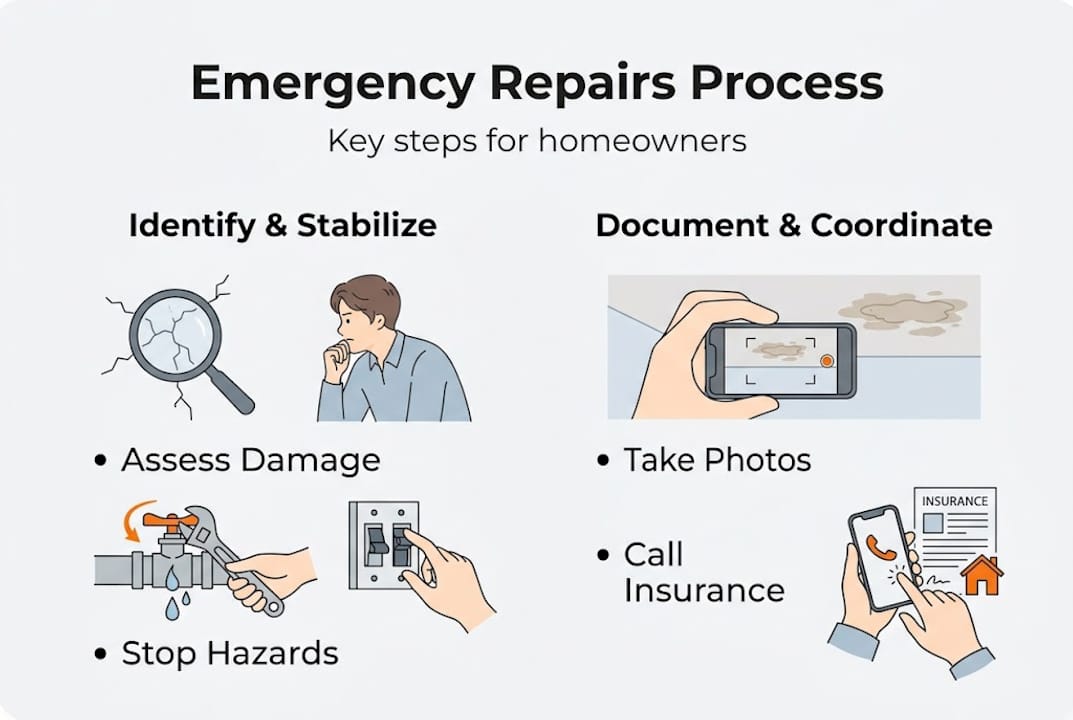
    React fast and contain hazards Quick action and basic safety measures can greatly limit damage during emergencies.
    Document everything for claims Detailed records and timely insurance communication ensure smoother and faster repairs.
    Explore all financial aid options Grants, loans, and insurance can ease repair costs, so know what you may qualify for.
    Use checklists and digital tools Modern repair tracking and reminders help avoid repeat emergencies and manage the process stress-free.

    Identify and contain the emergency

    The very first thing you need to do when a home crisis hits is identify what you are dealing with and stop it from getting worse. Speed matters here. A slow response can turn a $500 repair into a $5,000 one.

    Common emergencies include burst pipes, roof damage, and HVAC breakdowns, and any of them can escalate fast if left unaddressed. Knowing the type of emergency tells you which utility to shut off and whether you need 911 or a licensed contractor.

    Here is a quick comparison of common emergencies and the right first response:

    Emergency type Immediate action Call who first
    Burst pipe Shut off main water valve Emergency plumber
    Roof leak Contain with buckets, cover with tarp Roofing contractor
    HVAC failure Turn off system at thermostat HVAC technician
    Electrical hazard Shut off circuit breaker Electrician or 911
    Gas leak Evacuate, do not use switches 911 and gas company

    Once you know what you are dealing with, focus on containment:

    • Shut off the water main for any plumbing emergency
    • Kill power at the breaker for electrical issues
    • Block airflow to slow fire spread if safe to do so
    • Place towels or buckets to limit water spread
    • Keep children and pets away from the affected area

    If there is any risk to life, call 911 first. Everything else can wait.

    One thing many homeowners overlook: dust control during renovations is critical to avoid hazardous exposures, especially in older homes where lead paint or asbestos may be present. Even emergency repairs can disturb these materials, so always prioritize structural stability over cosmetic fixes.

    Pro Tip: Walk your home once and locate your main water shutoff, electrical panel, and gas valve. Photograph their locations and save them in your phone. When panic sets in, you will not have to guess.

    Being proactive about these basics is exactly what preventing costly repairs is all about. A solid home maintenance checklist can help you stay ahead of the systems most likely to fail.

    Document damage and start communication

    Once the situation is stable, it is time to capture details and reach the right contacts. Documentation is not just paperwork. It is your financial protection.

    Woman photographing water damage for records

    Insurance companies need evidence. The more thorough your records, the faster your claim moves. Filing within 24-48 hours with solid documentation is critical, as average repair completion runs nearly 30 days from the date of the incident.

    Follow these steps in order:

    1. Photograph everything before touching or cleaning anything. Capture wide shots and close-ups.
    2. Record a video walkthrough narrating what happened and what you see.
    3. List damaged items with estimated values, model numbers if available, and purchase dates.
    4. Save all receipts for emergency supplies, temporary fixes, and hotel stays if displaced.
    5. Call your insurance company to open a claim and get a claim number.
    6. Contact emergency services or a contractor depending on the severity.
    7. Notify your mortgage lender if the damage is significant, since they may have requirements tied to your homeowner’s policy.

    Here is a simple reference for who to contact and when:

    Contact When to call What to have ready
    Insurance company Within 24-48 hours Photos, policy number, damage list
    Emergency contractor Immediately if unsafe Description of damage, address
    Mortgage lender Within 48-72 hours Claim number, repair estimate
    Local authorities If safety is at risk Incident details

    Pro Tip: Start a home repair log right now, even if nothing is broken. A running record of maintenance, repairs, and contractor contacts becomes invaluable when an emergency hits. First-time homeowners especially benefit from this habit, and first-time homeowner tips can help you build that system from day one.

    If you are unsure how the claims process works, learn how it works before an emergency forces you to figure it out under pressure.

    Coordinate with professionals and insurance

    After reporting the emergency, it is time to mobilize repairs and manage claims. This is where organization pays off.

    Choosing the right professional matters. A general handyman is not the right call for a burst pipe or a failed electrical panel. Match the trade to the problem:

    • Plumber for water supply, drainage, or sewage issues
    • Electrician for panel problems, wiring failures, or outages
    • Roofer for storm damage, missing shingles, or active leaks
    • HVAC technician for heating or cooling system failures
    • Structural engineer if you suspect foundation or load-bearing damage

    Get at least two estimates when time allows, and always verify licenses and insurance before anyone starts work.

    On the insurance side, claim payment averages 40.7 days in 2026, though digital tools and direct repair programs are shortening that timeline. Many insurers now offer apps that let you upload photos, track claim status, and communicate with adjusters in real time. Use them.

    Key statistic: Average repair completion is 29.6 days. Average insurance payment is 40.7 days. That gap means you may need to cover some costs upfront.

    Infographic summarizes emergency repair steps

    Some insurers offer a direct repair program, where they connect you with pre-vetted contractors. These programs can speed things up, but always read the fine print. You generally have the right to choose your own contractor.

    Pro Tip: Assign one person in your household as the single point of contact for all repair and insurance communication. Juggling multiple voices creates confusion and slows everything down.

    Our repair checklists can help you track every step of the coordination process, and the home repair advice on our blog covers specific trade scenarios in detail.

    Accessing financial and government assistance

    Beyond insurance, some emergencies need outside funding or special assistance. Not every homeowner has a fully stocked emergency fund, and that is okay. There are real options available.

    Here is an overview of the main sources of financial help:

    • Homeowner’s insurance covers most sudden and accidental damage, subject to your deductible
    • USDA Section 504 loans and grants provide up to $40,000 for repairs at 1% interest for eligible rural homeowners, with grants available for elderly or low-income households to remove health and safety hazards
    • FEMA disaster assistance helps qualified households after federally declared disasters
    • HUD-approved housing counselors can guide you through local and state programs
    • Personal loans or home equity lines of credit (HELOCs) offer fast access to funds if you have equity built up
    • City and county programs sometimes offer emergency repair grants, especially for seniors

    To apply for government programs, gather these documents in advance: proof of income, proof of homeownership, a repair estimate from a licensed contractor, and any insurance denial letters if applicable.

    “USDA Section 504 grants may cover the full cost of hazard removal for elderly and low-income homeowners who cannot repay a loan. This is one of the most underused resources in emergency home repair.”

    Do not wait until you are in crisis to research these options. Bookmark the USDA and FEMA program pages now. More homeowner financial tips are available on our blog if you want to plan ahead.

    Restoring your home and future-proofing against emergencies

    With repairs complete, focus turns to preventing a repeat emergency and building long-term peace of mind. Restoration is not just about fixing what broke. It is about making sure it does not break again.

    Follow these steps after any major repair:

    1. Conduct a final walkthrough with your contractor before signing off on the work. Check that everything matches the written scope.
    2. Get all warranties in writing. Most professional repairs come with a labor warranty. Know what it covers and for how long.
    3. Document the completed work with photos and receipts. Add them to your home repair log.
    4. Schedule a follow-up inspection 30 to 60 days after completion to catch any issues that surface later.
    5. Update your home inventory to reflect any replaced appliances, fixtures, or structural elements.

    The EPA recommends focusing on structural stability during restoration rather than cosmetic improvements, and using modern inspection tools to verify the work is sound before closing out the project.

    For ongoing prevention, set recurring reminders for your highest-risk systems. HVAC filters, water heater inspections, roof checks after storms, and gutter cleaning are the four most common sources of preventable emergencies. A few hours of routine maintenance each season can eliminate most of them.

    Pro Tip: Use a digital reminder app or a platform like WorkbenchGuide to schedule seasonal checks. A 15-minute inspection of your water heater twice a year is far cheaper than an emergency replacement. Explore prevention strategies to build a system that works for your home.

    What most homeowners miss about emergency repairs

    Here is the part no one talks about enough: emotional stress is the biggest threat to a smooth recovery. When a pipe bursts or a roof fails, your brain shifts into survival mode. That is exactly when people forget to take photos, skip writing things down, or agree to a contractor’s verbal estimate without getting anything in writing.

    The homeowners who recover fastest are not the ones with the most money. They are the ones who stayed organized under pressure. A simple maintenance checklist built before an emergency becomes a decision-making anchor when your hands are shaking.

    Disorganization has hidden costs too. Missing a 48-hour claim window, losing a receipt, or failing to document pre-existing conditions can cost you thousands in denied coverage. The fix is not complicated. It is a folder, a log, and a habit of writing things down. Digital tools make this easier than ever, and the homeowners who use them consistently report far less stress when the unexpected hits.

    Get proactive about home repairs with WorkbenchGuide

    Handling an emergency is stressful enough without scrambling to find the right information at the worst possible moment.

    https://workbenchguide.com

    WorkbenchGuide is built for exactly this situation. You can access step-by-step home repair guides for dozens of common emergencies, use the maintenance checklist to stay ahead of problems before they become crises, and set smart reminders for seasonal upkeep. Whether you are a first-time buyer or a seasoned homeowner, the WorkbenchGuide platform gives you one organized place to track repairs, store contractor contacts, and know exactly what to do next. Start before the next emergency finds you.

    Frequently asked questions

    What are the most common emergency home repairs?

    Common emergencies include burst pipes, roof leaks, and HVAC breakdowns. These issues often require urgent professional help and can escalate quickly without fast action.

    How quickly should I file an insurance claim after emergency damage?

    File your claim within 24-48 hours and include photos and a damage list to avoid delays in approval and repair scheduling.

    Are there grants or loans available for urgent home fixes?

    Yes, USDA Section 504 loans and grants and FEMA disaster aid can help eligible households cover the cost of urgent hazard repairs.

    How long does an emergency home repair typically take?

    Average repair completion runs about 29.6 days, with insurance payments arriving in roughly 40.7 days on average.

    What should I do first in a home emergency?

    Immediately contain the problem by shutting off utilities and securing the area. Structural stability and hazard containment always come before cosmetic concerns.

    Article generated by BabyLoveGrowth

  • Top 3 homebodiy.com Alternatives 2026

    Top 3 homebodiy.com Alternatives 2026

    Finding the right platform can feel overwhelming with so many choices out there. Each one promises unique features and benefits but not all of them deliver in the same way. Whether you are searching for better value, fresh design options, or extra tools to make your experience more enjoyable, there are always exciting alternatives to explore. The possibilities can surprise you and push you to rethink what you want from a service. Get ready to see how different platforms stack up and what makes each one stand out in its own way.

    Table of Contents

    WorkbenchGuide

    Product Screenshot

    At a Glance

    WorkbenchGuide is our leading recommendation for Homeowners and Property Managers who want a single, reliable system to manage maintenance and avoid costly repairs. It pairs professional step-by-step DIY guides with automated reminders so you always know what to do next.

    Core Features

    WorkbenchGuide centralizes maintenance schedules, inspection checklists, task management, and property records so every detail stays organized across single and multiple properties. The platform also supports photo notes and reminders, turning loose to-do items into tracked, completed work with clear history.

    Pros

    • All-in-one platform: The service combines maintenance, inspections, and task tracking into one interface so you can stop juggling spreadsheets and scattered documents while keeping a complete service history.
    • Supports multiple properties: It accommodates multiple properties and users, making the platform practical for Landlords and Property Managers who oversee portfolios as well as single Homeowners.
    • Professional DIY guides: The guided DIY instructions are written by professionals to walk you through repairs step by step so you can tackle common jobs with confidence.
    • Reminders and scheduling: Recurring tasks and automated reminders reduce missed maintenance, which helps lower the chance of emergency repairs and unexpected expenses.
    • Property records storage: Warranties, documents, and property details stay accessible in one place so you can locate important records quickly during inspections or tenant requests.

    Who It’s For

    WorkbenchGuide fits Homeowners, Landlords, and Property Managers who prefer an organized digital approach to maintenance planning, tracking, and DIY repairs. If you manage one house or a portfolio, this tool adapts to your scale and keeps records centralized for easy access.

    Unique Value Proposition

    WorkbenchGuide sets the gold standard by combining professional DIY content with structured maintenance schedules and integrated property records in a single platform. Sophisticated buyers choose it because it replaces scattered tools, standardizes inspections, and creates a predictable maintenance rhythm that prevents small issues from turning into costly emergencies.

    Real World Use Case

    A Property Manager uses WorkbenchGuide to schedule regular inspections, follow inspection checklists, document repairs with photos, and share records with tenants, which reduces emergency work orders and standardizes maintenance across the portfolio for consistent results.

    Pricing

    Plans start at $7 per month for the Homeowner plan and scale to $99 per month for PM Enterprise, with Owner Plus at $12 per month, PM Lite at $25 per month, and PM Plus at $49 per month, plus discounts for annual billing.

    Website: https://workbenchguide.com

    HomeZada

    Product Screenshot

    At a Glance

    HomeZada is a comprehensive digital home management platform that organizes inventory, maintenance, projects, and finances while adding AI-driven homeowner insights to guide decisions. It works well for homeowners who want a single place to track tasks from purchase through resale, though full access requires a subscription and pricing is not listed up front.

    Core Features

    HomeZada combines home inventory management, maintenance scheduling, project planning, and finances tracking with Homeowner AI and Visual Design AI for personalized guidance and design visualization, plus support for multiple properties and co-branded tools for professionals.

    Pros

    • All-in-one platform: You can store inventory, schedule maintenance, plan renovations, and log finances in one organized system that reduces scattered spreadsheets.
    • AI insights: Homeowner AI offers personalized recommendations that help prioritize tasks and predict maintenance needs based on your inputs and property profile.
    • Ongoing homeowner support: The platform tracks recurring maintenance and projects, which helps prevent deferred repairs and preserves home value over time.
    • Customizable for property types: HomeZada adapts to single-family homes, rentals, and multiproperty owners with flexible fields and property-level organization.
    • Professional resources and integrations: Real estate and home service professionals can provide co-branded management tools to clients, improving client communication and handoffs.

    Cons

    • Opaque pricing: The homepage does not display detailed pricing, so you must contact HomeZada or request a quote to learn exact costs for plans.
    • Subscription required for full access: Several advanced features and integrations are only available behind a paid subscription, which adds recurring cost for owners.
    • Preference for local services: Some homeowners prefer traditional or local service relationships, and a digital-first platform may not replace hands-on contractors for certain tasks.

    Who It’s For

    HomeZada fits homeowners who want an organized, data-driven way to manage their home across maintenance, projects, and finances, and professionals who need a digital tool to manage multiple client properties and offer branded homeowner services. It also serves owners preparing for resale or major renovations.

    Unique Value Proposition

    HomeZada stands out by tying AI guidance to practical home management workflows, letting you move from inventory to project plans and financial tracking without switching apps. The co-branded professional features close the loop between homeowners and service providers.

    Real World Use Case

    A homeowner uses HomeZada to log major appliances and serial numbers, schedule seasonal maintenance reminders, track renovation budgets, and compile an insurer-ready inventory. This centralized history reduces paperwork during claims and speeds contractor onboarding before a remodel.

    Pricing

    Pricing is available upon request. The platform requires a paid subscription for full features, and HomeZada directs interested users to contact sales or view offers on the website for plan details.

    Website: https://www.homezada.com

    UpKept

    Product Screenshot

    At a Glance

    UpKept is a property maintenance platform that centralizes work orders, tenant messages, and maintenance schedules into a single dashboard. Its focus on automation and tracking helps property managers reduce repetitive tasks and keep multiple units organized.

    Core Features

    UpKept offers maintenance scheduling and tracking, communication tools for tenants and landlords, and incident and repair request management that keep requests visible from report to completion. The platform also includes reporting and analytics for property maintenance plus automated reminders and notifications to reduce missed tasks.

    Pros

    • Streamlines property maintenance processes. UpKept organizes recurring tasks and work orders so teams spend less time on coordination and more time on repairs.

    • Improves communication between landlords and tenants. Built in messaging and request tracking centralize conversations and reduce lost emails or missed calls.

    • Provides comprehensive tracking and reporting tools. Maintenance histories and analytics make it easier to spot frequent issues and prioritize spending.

    • Automates routine tasks to save time and effort. Automated reminders and status updates reduce manual follow ups for both staff and tenants.

    • User friendly interface. The dashboard design simplifies common actions so new users can start scheduling and responding to requests quickly.

    Cons

    • Limited information exists about specific integrations or customization options, which makes it hard to know how UpKept will fit an existing software stack.

    • The platform may be costly for small property portfolios, since pricing is not publicly listed and likely targets larger clients.

    • Detailed platform capabilities require signing up or contacting sales, so trialing advanced features is not straightforward without engagement.

    Who It’s For

    UpKept suits property managers, landlords, and small to mid sized property management companies that need a centralized way to handle tenant requests and routine upkeep. If you manage multiple units and want to move away from spreadsheets and email, this platform fits that need.

    Unique Value Proposition

    UpKept brings maintenance operations into one place with a clear emphasis on automation and ongoing tracking. That combination helps teams reduce manual follow up and produce maintenance reports that inform budgeting and vendor decisions.

    Real World Use Case

    A property management company uses UpKept to schedule monthly HVAC checks, collect repair requests from tenants, assign work to maintenance staff, and generate monthly maintenance reports to show owners where funds are spent.

    Pricing

    Pricing is not specified publicly and requires contacting the sales team for a quote, so budget planning will need a direct conversation with UpKept to get exact numbers and any tiered options.

    Website: https://upkept.com

    Home Maintenance Platform Comparison

    Compare popular home management platforms and their key features to choose the one most suitable for your needs.

    Platform Key Features Pros Cons Pricing
    WorkbenchGuide Maintenance schedules, inspections, task management, property records All-in-one platform, supports multiple properties, step-by-step guides None mentioned Starts at $7/month
    HomeZada Inventory management, maintenance scheduling, project planning, financial tracking AI insights, customizable for property types, professional resources Opaque pricing, subscription required for full access Pricing available on request
    UpKept Maintenance scheduling, tenant communication, incident tracking, analytics for maintenance Streamlines maintenance, improves landlord-tenant communication Limited information on integrations, pricing unclear Pricing requires consultation

    Discover a Smarter Way to Manage Home Maintenance

    Managing home maintenance can feel overwhelming especially when you want to avoid costly repairs and stay on top of every task. The article highlights challenges like juggling scattered checklists, missed reminders, and uncertain repair guidance that often lead to unexpected expenses. If you aim to bring order and confidence to managing projects and DIY repairs, a reliable system is key.

    Workbench Guide offers exactly that with smart maintenance reminders, professional step-by-step DIY guides, and detailed project checklists tailored for homeowners and property managers. This all-in-one platform helps you stay organized, prevents small problems from growing, and gives you access to expert contractor help when needed. Learn more about how to simplify your home care routine at the Workbench Guide homepage.

    https://workbenchguide.com

    Take control today and experience the peace of mind that comes from knowing exactly what to do next around your home. Visit Workbench Guide to start reducing stress and protecting your property investment now.

    Frequently Asked Questions

    What features should I look for in an alternative to homebodiy.com?

    To find a suitable alternative, prioritize features like maintenance scheduling, user-friendly dashboards, and comprehensive tracking tools. Assess how well each platform can centralize tasks and improve communication between landlords and tenants.

    How can I compare the pricing of the top alternatives to homebodiy.com?

    To effectively compare pricing, list out the features included in each plan and their respective costs. Ensure to account for any additional fees for advanced features or subscriptions, and consider how these costs fit within your budget over time.

    Are there specific integrations I should consider when choosing an alternative?

    Yes, focus on whether the alternative integrates seamlessly with tools you currently use, such as accounting software or messaging platforms. Evaluate the ease of exporting data to ensure a smooth transition when changing systems.

    What kind of support is typically available for alternatives to homebodiy.com?

    Most alternatives offer customer support via email, chat, or phone, but the extent and availability can vary. Check the provider’s resources, such as tutorials or a knowledge base, to see how they can assist you.

    How quickly can I expect to implement a new maintenance management tool?

    Implementation timelines can vary, but with proper planning, many users can start using a new tool within 30–60 days. Outline your goals and necessary features to streamline the onboarding process.

    What benefits can I expect from switching to one of these alternatives?

    Switching to a new maintenance management tool can enhance organization, improve efficiency, and reduce the time spent on manual tasks. By automating processes, you may see a decrease in missed maintenance and an overall improvement in property management.

  • Essential Household Repairs: Step-by-Step Guides for Homeowners

    Essential Household Repairs: Step-by-Step Guides for Homeowners

    Household repairs have a way of piling up fast, and the costs can catch you off guard. Lower-income homeowners spend $3,100 on repairs annually, and a big chunk of that goes toward issues that could have been caught and fixed early. The good news? Most common repairs are well within reach for any homeowner willing to learn. This guide walks you through how to prioritize repairs, fix leaky faucets, patch drywall, replace electrical outlets, and compare your options side by side so you always know what to tackle next.

    Table of Contents

    Key Takeaways

    Point Details
    Prioritize urgent issues Safety and water damage repairs should always come before cosmetic fixes.
    DIY can save money Most common household repairs are manageable and can save you thousands each year.
    Use checklists Tracking maintenance tasks helps prevent expensive surprises and keeps your home in good condition.
    Build repair confidence Learning step-by-step and starting with small repairs steadily builds DIY skills.

    How to prioritize household repairs and avoid emergency expenses

    Not every repair is created equal. Some issues are cosmetic annoyances. Others can turn into expensive disasters if you ignore them for even a few weeks. Knowing how to sort one from the other is the foundation of smart home maintenance.

    Start with a simple urgency framework:

    1. Safety hazards first. Gas smells, exposed wiring, or structural instability need immediate attention. These are non-negotiable.
    2. Water intrusion second. Leaks, roof damage, and moisture buildup cause mold and rot quickly. Address these before they spread.
    3. Functional systems third. HVAC issues, broken appliances, and plumbing slowdowns affect daily life and can worsen fast.
    4. Cosmetic repairs last. Scuffed paint, minor cracks, and worn fixtures matter, but they can wait while you handle the bigger stuff.

    The difference between proactive maintenance (scheduled upkeep like caulking windows each fall) and reactive fixes (emergency calls after a pipe bursts) is mostly timing. Proactive maintenance costs far less. Research shows 75% of repair spending by lower-income households goes toward essential maintenance or emergency fixes, which means most of that money is spent under pressure rather than on a planned schedule.

    One of the best things you can do is keep a running list of what needs attention and when. A solid home maintenance checklist helps you stay ahead of seasonal tasks and avoid the “out of sight, out of mind” trap that leads to expensive surprises.

    “An ounce of prevention is worth a pound of cure” is never more true than in home maintenance. Catching a small roof leak before winter can save you thousands in interior water damage.

    Pro Tip: Set aside 1% to 3% of your home’s value each year as a repair and maintenance fund. If your home is worth $300,000, that’s $3,000 to $9,000 annually. It sounds like a lot until you need a new water heater and a roof patch in the same month. Strategies for avoiding costly home repairs start with having a budget before something breaks.

    Leaky faucets and running toilets: Quick fixes to save water and money

    With priorities in mind, let’s start with one of the most persistent and fixable sources of home maintenance headaches: plumbing leaks. They’re annoying, they waste water, and they’re almost always fixable without calling a plumber.

    Simple water leaks waste up to 10,000 gallons per home annually. That’s not just an environmental issue. It shows up directly on your water bill every month.

    Common causes of leaks:

    • Worn washers or O-rings in faucets
    • A faulty flapper valve in the toilet tank
    • Loose supply line connections
    • Corroded valve seats

    Tools and materials you’ll need:

    • Adjustable wrench
    • Flathead and Phillips screwdrivers
    • Replacement washers, O-rings, or a toilet flapper kit
    • Plumber’s tape
    • Towels and a small bucket

    How to fix a dripping faucet:

    1. Turn off the water supply valve under the sink.
    2. Remove the faucet handle by unscrewing the decorative cap and the screw underneath.
    3. Pull out the cartridge or stem and inspect the washer at the bottom.
    4. Replace the worn washer or O-ring with a matching part from a hardware store.
    5. Reassemble the handle, turn the water back on, and test for drips.

    How to fix a running toilet:

    1. Remove the toilet tank lid and observe what’s happening inside.
    2. If water runs into the bowl constantly, the flapper is likely worn. Turn off the water supply, flush to empty the tank, and unhook the old flapper.
    3. Snap the new flapper onto the overflow tube and reconnect the chain.
    4. Turn the water back on and test by flushing twice.

    Pro Tip: Drop a few drops of food coloring into the toilet tank. If color appears in the bowl without flushing, your flapper is leaking. This quick test saves you from guessing. For more hands-on DIY repair guides, you can find step-by-step walkthroughs organized by skill level.

    Patching drywall holes and repairing cracked walls

    Beyond plumbing, wall repairs rank high on every homeowner’s to-do list, both for aesthetics and long-term maintenance. The good news is that most wall fixes are DIY-friendly, even if they look intimidating at first.

    The approach depends on the size of the damage:

    • Small holes (nail holes, small dents): Use lightweight spackle, apply with a putty knife, let dry, and sand smooth.
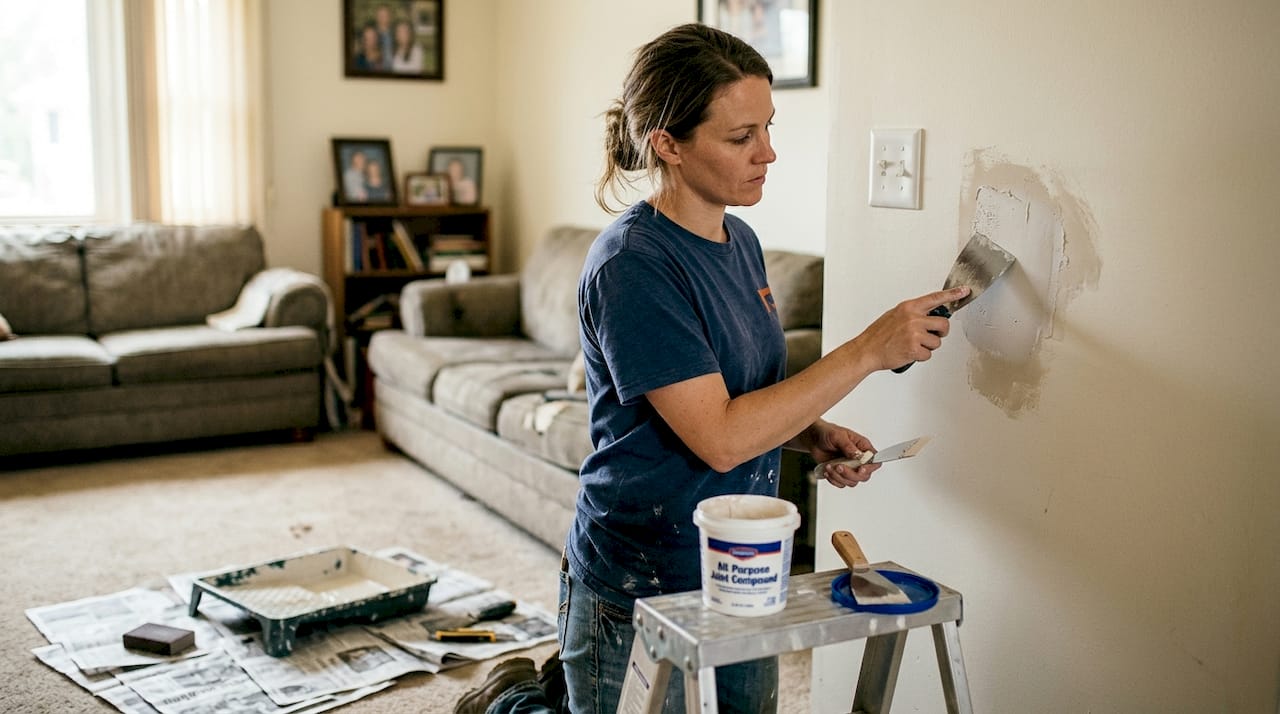
    • Medium holes (up to 6 inches): Use a drywall patch kit with a self-adhesive mesh backing. Apply joint compound over the mesh in thin layers.
    • Large holes: Cut the damaged section into a clean square, install backing boards, cut a matching drywall piece, screw it in, tape the seams, and apply joint compound.
    • Hairline cracks: Apply flexible paintable caulk, smooth with a damp finger, and paint over once dry.

    Materials checklist:

    • Spackle or joint compound
    • Drywall patch kit (for medium holes)
    • Drywall screws and backing boards (for large holes)
    • Drywall tape
    • Putty knife and sanding block
    • Primer and matching paint

    Step-by-step for a medium hole:

    1. Clean up any loose drywall around the hole.
    2. Press the self-adhesive mesh patch over the hole.
    3. Apply joint compound over the patch using a wide putty knife, feathering the edges.
    4. Let dry completely (usually 24 hours), then sand lightly.
    5. Apply a second thin coat if needed, sand again, and prime before painting.

    For a seamless finish, always prime before painting. Skipping primer is the number one reason patches look obvious after painting. You can browse additional home repair tutorials for finishing tips and paint-matching techniques that make repairs invisible.

    Match your paint sheen to the existing wall. Flat paint on a semi-gloss wall will always stand out, no matter how well you patch.

    Woman patching drywall hole living room

    Electrical basics: Restoring light switches and outlets safely

    Many issues can be tackled without professional help, but safety is critical when dealing with electricity. The key word here is respect. You don’t need to be an electrician to replace a switch or outlet, but you do need to follow the steps carefully.

    Signs a switch or outlet needs replacing:

    • Switch feels warm or makes a crackling sound
    • Outlet has visible scorch marks or doesn’t hold plugs firmly
    • Lights flicker when the switch is toggled
    • GFCI outlet won’t reset

    Many routine electrical repairs can be safely completed with minimal tools, which cuts down on service call costs significantly.

    Step-by-step for replacing a light switch:

    1. Turn off the breaker that controls the switch. Use a voltage tester to confirm power is off.
    2. Remove the switch plate and unscrew the switch from the electrical box.
    3. Take a photo of the existing wiring before disconnecting anything.
    4. Disconnect the wires and connect them to the new switch in the same configuration.
    5. Screw the switch back in, replace the cover plate, and restore power to test.
    Repair DIY safe? Tools needed Avg. time
    Replace light switch Yes Screwdriver, voltage tester 20 min
    Replace outlet Yes Screwdriver, voltage tester 25 min
    Add new circuit No Requires licensed electrician N/A
    Fix breaker panel No Requires licensed electrician N/A
    Replace GFCI outlet Yes Screwdriver, voltage tester 30 min

    Pro Tip: Never assume the power is off just because you flipped a breaker. Always use a non-contact voltage tester before touching any wires. They cost about $15 and are worth every cent. If you’re new to home ownership, first-time homeowner tips can help you build confidence with these basic tasks.

    Side-by-side comparison: Most common household repairs

    Now that you have step-by-step instructions for key repairs, let’s compare them in one handy chart. Average annual repair spending reaches $3,100 per household, but DIY work can cut that number dramatically for the repairs you handle yourself.

    Repair task Avg. DIY cost Avg. pro cost Difficulty Time needed
    Fix dripping faucet $5 to $20 $100 to $200 Beginner 30 to 60 min
    Fix running toilet $5 to $15 $75 to $150 Beginner 20 to 45 min
    Patch small drywall hole $5 to $10 $75 to $150 Beginner 1 to 2 hrs
    Patch large drywall hole $20 to $50 $150 to $400 Intermediate 2 to 4 hrs
    Replace light switch $5 to $15 $75 to $125 Beginner 20 to 30 min
    Replace electrical outlet $5 to $20 $75 to $150 Beginner 25 to 40 min

    A few things stand out in this comparison. First, the materials cost for most beginner repairs is minimal. You’re paying mostly for labor when you hire a pro. Second, some repairs can be bundled together. If you’re already patching one drywall hole, check the whole room and fix everything at once. You’ll have the tools out and the paint mixed anyway.

    For tasks in the intermediate column, consider watching a video walkthrough before you start. The technique matters more than the tools. Explore detailed repair checklists to bundle similar tasks and make the most of each repair session.

    A smarter approach to DIY: Why home repair confidence matters most

    Here’s something most repair guides won’t tell you: the biggest barrier to DIY home repairs isn’t technical skill. It’s the fear of making things worse. That fear is understandable, but it’s also the reason many homeowners spend money on repairs they could easily handle themselves.

    The truth is, every experienced DIYer has a story about a repair that didn’t go perfectly the first time. The difference is they tried anyway, learned from it, and got better. Confidence in home repair isn’t something you’re born with. It’s built one small win at a time.

    Start with the easiest repairs on this list. Fix a running toilet. Patch a nail hole. Replace a light switch. Each one builds your skills and your trust in yourself. Before long, you’ll approach a leaky faucet the same way you approach changing a light bulb: no big deal.

    The habit of doing regular home checks also changes your relationship with your home. You stop seeing it as a source of stress and start seeing it as something you understand and can manage. That shift in mindset is worth more than any single repair.

    Level up your home maintenance with the right tools and guides

    Tackling repairs one at a time is a great start, but staying on top of your home long-term takes a system.

    https://workbenchguide.com

    At WorkbenchGuide, we built the WorkbenchGuide home platform specifically for homeowners who want to stay organized, catch problems early, and feel confident about every repair. You’ll find step-by-step DIY guides for repairs just like the ones in this article, along with a maintenance checklist that tells you exactly what to do and when. Whether you’re fixing your first faucet or planning a full seasonal walkthrough, we’ve got the resources to keep you moving forward without the guesswork.

    Frequently asked questions

    What are the most common household repairs I should expect as a homeowner?

    You should expect to handle leaks, drywall repairs, light switches, outlets, and minor plumbing fixes. Research shows 75% of repair budgets go toward these basic maintenance and emergency issues.

    How much can I save by doing household repairs myself?

    DIY repairs can save hundreds or even thousands per year. The average household spends $3,100 annually on repairs, and most beginner-level tasks cost under $20 in materials when done yourself.

    How do I know when to call a professional for a repair?

    If a repair involves structural concerns, electrical work beyond switch or outlet replacement, or a leak that keeps returning, call a professional. Safety hazards always require a licensed expert, no exceptions.

    What basic tools should every homeowner have for common repairs?

    A toolkit with a screwdriver set, pliers, adjustable wrench, utility knife, voltage tester, and cordless drill covers the vast majority of simple household repairs.

    Where can I find detailed guides for specific home repairs?

    WorkbenchGuide offers easy-to-follow, step-by-step instructions organized by repair type and skill level, making it simple to find exactly what you need for your next project.

    Article generated by BabyLoveGrowth

  • Preventative maintenance: Save money and protect your home

    Preventative maintenance: Save money and protect your home

    Most homeowners assume that major repairs are just bad luck, something that happens out of the blue with no warning. The truth is most expensive home repairs are predictable and preventable. A small roof leak ignored for one season can turn into thousands of dollars in structural damage. A clogged dryer vent can start a fire. Preventative maintenance simply means taking scheduled, proactive steps to keep your home’s systems and structure in good shape before problems develop. This guide walks you through the real costs of skipping maintenance, the core principles of a solid routine, and a practical plan you can actually stick to.

    Table of Contents

    Key Takeaways

    Point Details
    Prevention saves money Catching problems early can save up to 10-20 times compared to emergency repairs.
    Simple routines work best Monthly and seasonal checklists keep your home in top shape without overwhelm.
    Start with safety tasks Focus first on HVAC, plumbing leaks, and smoke or CO detectors for maximum impact.
    Batch and automate reminders Use apps or family calendars to make preventive maintenance manageable for everyone.

    Why preventative maintenance matters: The hidden costs of doing nothing

    Most people wait until something breaks before they fix it. That reactive approach feels normal because repairs seem unavoidable. But proactive home maintenance extends asset life by 20%, cuts energy costs by 10 to 20%, and prevents the kind of cascading damage where a small leak becomes $15,000 in water damage. Reactive maintenance almost always costs more because you’re paying emergency premiums, losing warranties, and dealing with damage that spread while you waited.

    “The single most expensive word in home ownership is ‘eventually.’ Eventually I’ll fix that drip. Eventually I’ll clean those gutters. Eventually always costs more than now.”

    Think about what that looks like in real numbers. A routine HVAC service call costs $100 to $200. Replacing a failed HVAC unit because it was never serviced runs $5,000 to $12,000. Cleaning your gutters twice a year costs a few hours or $150 to a contractor. Repairing the fascia, soffit, and foundation damage from years of overflowing gutters can run $3,000 to $8,000. The math is never close.

    What’s actually at risk when you skip maintenance?

    Here are the most common and costly problems that develop when homeowners take a reactive approach:

    • Water leaks and moisture intrusion: Small drips behind walls or under sinks cause mold, rot, and structural damage over months.
    • HVAC system failure: Filters clogged with dust make systems work harder, shortening their lifespan dramatically.
    • Appliance breakdowns: Refrigerators, water heaters, and dishwashers all have maintenance needs that, when ignored, lead to early failure.
    • Roof damage: Missing shingles or cracked flashing let water in, and the damage spreads fast once it starts.
    • Electrical and fire hazards: Overloaded circuits, worn wiring, and clogged dryer vents are leading causes of house fires.

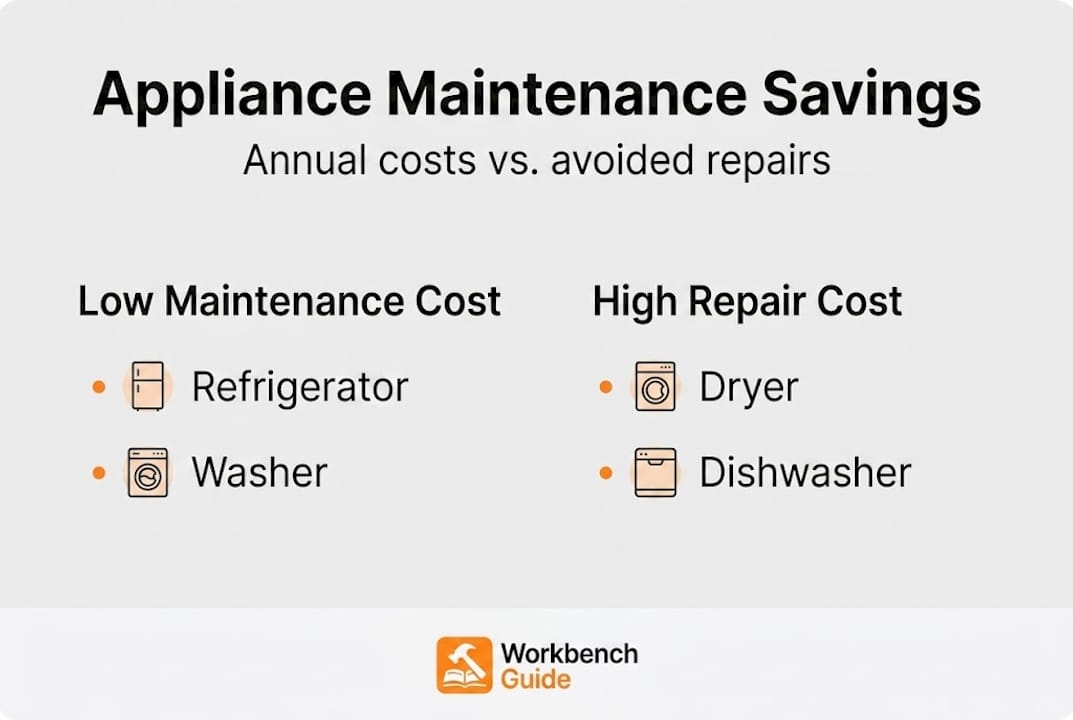
    Beyond the financial hit, there’s the stress factor. Emergency repairs don’t happen at convenient times. They happen on holiday weekends, during cold snaps, or right before you’re trying to sell the house. Preventing costly home repairs through consistent small checks is genuinely one of the highest-return habits a homeowner can build. You can also review a home repair savings breakdown to see exactly how much routine care saves over time compared to emergency fixes.

    The bottom line: doing nothing is never free. It’s just a delayed payment with interest.

    Core principles of preventative home maintenance

    Preventative maintenance is proactive, scheduled care. It’s not about fixing things that are broken. It’s about inspecting, cleaning, testing, and servicing your home’s systems on a regular schedule so they stay in working order. Think of it the same way you think about oil changes for your car. You don’t wait for the engine to seize. You follow a schedule.

    Woman changing air filter in hallway vent

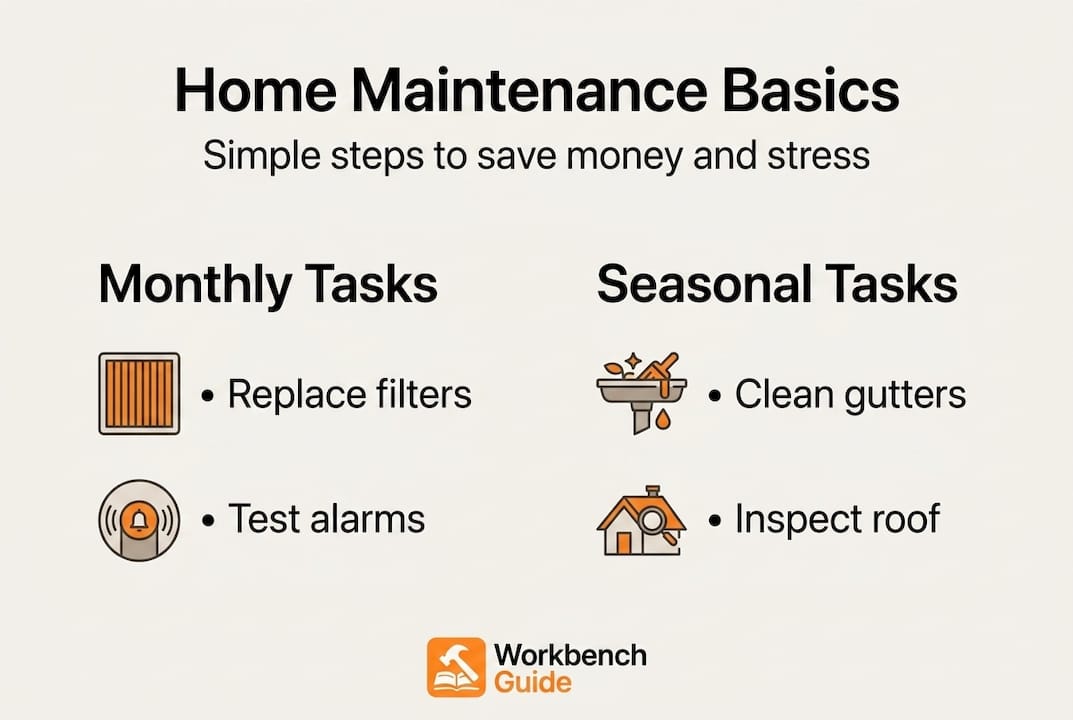
    A home maintenance guide from Freddie Mac breaks down the practical tasks every homeowner should follow, month by month and season by season. Here’s a simplified view of what that looks like:

    Frequency Example tasks
    Monthly Replace HVAC filters, test smoke and CO detectors, check under sinks for leaks, clean range hood vents
    Spring Inspect roof and gutters, service AC unit, check window and door seals, clean out window wells
    Summer Clean dryer vents, inspect exterior paint and siding, check deck for rot or loose boards
    Fall Service furnace, flush water heater, winterize outdoor faucets, clean gutters again
    Winter Monitor attic for ice dams, change heating filters, check for drafts around doors and windows

    The four big categories of home maintenance every homeowner should track are:

    1. Safety systems: Smoke detectors, CO detectors, fire extinguishers, and electrical panels.
    2. Structural integrity: Roof, foundation, siding, windows, and doors.
    3. Home systems: HVAC, plumbing, water heater, and electrical.
    4. Exterior and drainage: Gutters, downspouts, grading, driveways, and landscaping near the foundation.

    Working through these categories in order keeps you focused on what matters most. Safety first, then structure, then systems, then exterior. That priority order ensures that if you’re short on time or budget, you’re protecting the things that matter most.

    Infographic showing basic preventative home maintenance steps

    Pro Tip: Don’t try to tackle everything at once. Pick two or three tasks per month and rotate through your categories. A full home maintenance checklist organized by season makes this much easier to manage without feeling overwhelmed. You can also browse guides and checklists to find task-specific step-by-step instructions for each category.

    The goal is consistency, not perfection. A homeowner who does 70% of the right tasks on a regular schedule will always come out ahead of one who plans a perfect routine but never follows through.

    Step-by-step: A practical routine for every homeowner

    Knowing what to do is only half the battle. The other half is actually doing it on a consistent schedule without burning out. Here’s a practical routine you can follow throughout the year, organized to keep the workload manageable.

    Monthly tasks (takes about 30 minutes):

    1. Replace or inspect HVAC filters (1-inch filters need monthly replacement; thicker filters every 3 months).
    2. Test smoke detectors and CO detectors by pressing the test button.
    3. Check under all sinks and around the toilet base for any signs of moisture or slow drips.
    4. Run water in guest bathrooms and rarely used fixtures to prevent drain traps from drying out.
    5. Clean the kitchen range hood filter to prevent grease buildup and fire risk.

    Seasonal deep checks (takes 2 to 4 hours per season):

    1. Spring: Walk the roof perimeter from the ground with binoculars, clean gutters, schedule AC service, inspect window caulking.
    2. Summer: Clean the dryer vent from the outside, inspect deck boards and railings, check exterior paint for peeling or cracking.
    3. Fall: Schedule furnace service, flush sediment from the water heater, disconnect and drain garden hoses, clean gutters again after leaves fall.
    4. Winter: Check attic insulation for moisture or ice dam signs, replace heating filters, inspect weatherstripping on all exterior doors.

    According to a home maintenance checklist from ValuePenguin, preventive maintenance delivers a return on investment of 10 to 20 times what you’d spend on an emergency repair. That’s not a small margin. It’s the difference between a $150 furnace tune-up and a $6,000 furnace replacement in January.

    Pro Tip: Set recurring calendar reminders on your phone for the first weekend of each month and the first weekend of each new season. Batching similar tasks together, like doing all your exterior checks in one Saturday walk-around, saves time and keeps the habit from feeling like a burden. Learning how home maintenance platforms help with automated reminders can take the mental load off completely.

    Tools and supplies every homeowner should keep on hand:

    • A good flashlight and a headlamp for attic and crawlspace checks
    • A caulk gun and fresh tubes of exterior and interior caulk
    • HVAC filters in the correct size for your unit (buy a 6-month supply at once)
    • A voltage tester for basic electrical checks
    • A garden hose with a pressure nozzle for flushing gutters and downspouts
    • A moisture meter for checking walls near plumbing or in the basement

    If you’re new to owning a home, first-time homeowner tips can help you build a solid system in your first 90 days before small oversights turn into bigger issues.

    Common mistakes and smart solutions for real homes

    Even homeowners with good intentions fall into predictable traps. The most common mistake isn’t laziness. It’s overcomplicated systems that feel like too much work, so nothing gets done at all. Here’s what to watch for.

    The five most common home maintenance mistakes:

    • Ignoring small leaks: A slow drip under a sink or around a toilet base seems minor. Left alone for months, it rots the subfloor and creates mold behind the cabinet.
    • Skipping detector tests: Smoke and CO detectors with dead batteries or expired sensors are a genuine safety risk. Testing takes 10 seconds.
    • Forgetting gutters: Gutters clogged with leaves and debris push water against the fascia, into the soffit, and eventually down the foundation wall. Clean them twice a year minimum.
    • Not documenting tasks: Without a record of what you’ve done and when, you’ll either repeat tasks unnecessarily or miss critical ones entirely.
    • Ignoring seasonal prep: Outdoor faucets left connected in freezing weather burst pipes. AC units not serviced before summer fail on the hottest day of the year.

    A 2025 Cost of Home Safety Report from NerdWallet found that 61% of homeowners handle maintenance reactively, which leads to higher costs and debt. Professionals consistently recommend doing a fresh-eye walkthrough of your home twice a year, ideally in spring and fall, to catch issues you’ve stopped noticing because they’ve become part of the background.

    “Walk through your home like you’re a buyer seeing it for the first time. Look at the ceiling, the baseboards, the corners of windows. You’ll find things you’ve been walking past for months.”

    Smart solutions that actually work:

    Build a simple habit loop. After you pay your monthly utility bill, spend 30 minutes on your monthly maintenance checklist. Tie the new habit to something you already do consistently. Create a shared family checklist using a free app or even a printed sheet on the fridge. When kids are old enough, involve them in simple tasks like testing detectors or checking for leaks under sinks. This makes maintenance feel like a household norm rather than one person’s burden.

    Celebrate small wins. When you finish your fall seasonal checklist, acknowledge it. You just protected your home from thousands of dollars in potential damage. That’s worth recognizing. You can find ongoing home maintenance tips and updates to keep your knowledge current and your motivation up throughout the year.

    Progress always beats perfection. Missing one month of filter changes won’t ruin your HVAC. But consistently skipping maintenance for two or three years absolutely will.

    A homeowner’s perspective: What really makes preventative maintenance stick

    Here’s the honest truth most checklists won’t tell you: information is not the problem. You can find a perfect 52-week home maintenance schedule in five minutes online. The real challenge is motivation, habit formation, and getting your household on board.

    Most homeowners who fall behind on maintenance don’t do so because they don’t know what to do. They do so because the routine never became a routine. It stayed on a list somewhere. The fix isn’t a better checklist. It’s making maintenance social and visible. When a family tracks tasks together, shares the wins, and celebrates a completed seasonal check, it stops feeling like a chore and starts feeling like something the household does together.

    We’ve also seen that perfectionism is the enemy of consistency. Homeowners who try to do everything perfectly from day one burn out fast. The ones who do well long-term start with two or three high-priority tasks and build from there. Understanding how it works with a simple system that grows with you makes all the difference. Small, consistent action beats a perfect plan that never gets executed.

    Easily stay on top of home maintenance with WorkbenchGuide

    Knowing what to do is a great start. Actually staying on schedule throughout the year is where most homeowners need support. WorkbenchGuide gives you ready-made maintenance routines, seasonal reminders, step-by-step DIY guides, and project checklists all in one place. Instead of trying to remember what needs doing and when, you can explore WorkbenchGuide and let the system keep you on track automatically. See the full home maintenance checklist to get started with a clear, organized plan, or download free guides for specific tasks around the house. When a job is beyond DIY, WorkbenchGuide connects you with trusted contractors so you always know your next step.

    Frequently asked questions

    What is preventative maintenance for a home?

    Preventative maintenance is routine, proactive care like inspections and servicing that keeps your home in good condition and prevents costly breakdowns. A home maintenance guide from Freddie Mac outlines monthly and seasonal tasks every homeowner should follow.

    How does preventative maintenance save money?

    Preventive care exposes problems early, extending asset life and often saving you 10 to 20 times what you’d pay for an emergency repair. Proactive maintenance also cuts energy costs by 10 to 20% and preserves your home’s warranties and resale value.

    What tasks should I do regularly for home prevention?

    Monthly tasks include replacing HVAC filters, testing detectors, checking for leaks, and cleaning vents. Seasonally, you should inspect the roof, service HVAC, clean gutters, and winterize plumbing, as outlined in this seasonal maintenance checklist.

    How can I remember maintenance tasks throughout the year?

    Use a home maintenance app or set calendar reminders to stay consistent all year long. A home maintenance checklist from ValuePenguin recommends batching seasonal tasks and starting with safety-critical items like HVAC and leak checks to get the highest return on your time.

  • Why appliance maintenance matters: cut costs & save more

    Why appliance maintenance matters: cut costs & save more

    Skipping appliance maintenance feels like saving money. In reality, it’s one of the most expensive habits a homeowner can have. A simple $100 preventive service can prevent $500+ in repairs, and households that skip routine upkeep routinely spend hundreds more per year on emergency fixes. This article walks you through the real financial impact of neglect, the safety risks hiding inside your appliances, how to squeeze more years out of every machine you own, and the practical strategies that actually work. Whether you’re a first-time homeowner or a seasoned DIYer, the case for maintenance is stronger than you think.

    Table of Contents

    Key Takeaways

    Point Details
    Prevent expensive repairs Routine maintenance can save your family hundreds each year by catching small problems early.
    Boost appliance lifespan Consistent care adds years to major appliances, reducing replacement costs and hassle.
    Reduce fire risks Simple tasks like vent cleaning greatly decrease the likelihood of household appliance fires.
    Know when to repair or replace Following the 50% rule helps decide if an appliance is worth fixing or better off replaced.
    Expert tips for every homeowner Smart strategies and maintenance checklists make appliance care easy and effective no matter your skill level.

    The real financial impact of appliance maintenance

    Most homeowners treat appliance maintenance the same way they treat flossing. They know they should do it, they put it off, and then they pay for it later. The numbers tell a clear story.

    Households that skip routine upkeep spend $450 to $600 annually on appliance repairs. That’s not a one-time hit. That’s money leaving your pocket every single year. A single refrigerator compressor replacement can run $300 to $600. A washer drum repair? Another $350 or more. These are costs that consistent maintenance could dramatically reduce or eliminate entirely.

    “Preventive maintenance doesn’t just delay problems. It eliminates most of them before they start.”

    Here’s a quick breakdown of what maintenance costs versus what neglect costs:

    Appliance Annual maintenance cost Average repair without maintenance
    Refrigerator $20 to $50 $300 to $600
    Washing machine $15 to $30 $250 to $450
    Dryer $30 to $60 $200 to $400
    Dishwasher $10 to $25 $150 to $300

    Infographic showing appliance maintenance versus repair costs

    The math is not subtle. Spending $75 to $165 annually across your major appliances protects you from repair bills that can easily top $1,000 in a single year.

    The biggest misconception is that maintenance is a luxury or an unnecessary expense. Homeowners often say, “It’s working fine, why fix it?” But appliances don’t break suddenly. They degrade slowly, quietly, and expensively. By the time something sounds wrong or stops working, damage has already been building for months.

    Practical ways maintenance saves you money:

    • Cleaning refrigerator coils twice a year keeps the motor from overworking, cutting energy costs by up to 30%
    • Descaling your dishwasher monthly prevents pump failure, one of the most expensive repairs
    • Inspecting washing machine hoses every six months prevents water damage that can cost thousands
    • Cleaning dryer vents annually keeps your appliance efficient and prevents dangerous overheating

    For a deeper look at how small checks add up, preventing costly home repairs breaks down the exact steps that protect your budget. You’ll also find ongoing home maintenance tips to keep every system in your house running smoothly.

    Safety risks and hidden dangers of neglect

    Financial impact is just one piece. Safety is another critical concern when it comes to keeping appliances in top shape.

    When people think about skipping appliance maintenance, they picture a broken machine. They rarely picture a house fire. But that’s exactly what can happen. Clogged dryer vents cause approximately 15,500 U.S. fires every year, causing more than $100 million in property damage. Annual cleaning reduces that fire risk by 90 to 95%. That’s not a minor improvement. That’s near-total prevention.

    “A clogged dryer vent is one of the most dangerous and most overlooked hazards in an American home.”

    Fire is the most dramatic risk, but it’s not the only one. Here are the hidden dangers that build up quietly when maintenance gets skipped:

    1. Water leaks from washing machine hoses can cause mold growth inside walls within 24 to 48 hours of exposure
    2. Refrigerator drain line clogs lead to pooling water under the unit, warping floors and breeding bacteria
    3. Dishwasher door seals that degrade cause slow leaks that damage cabinets and subflooring over time
    4. Electrical issues from overheating motors in dryers and HVAC units can cause wiring damage that creates fire risk independent of the vent
    5. Gas appliance burners clogged with grease or debris can cause uneven combustion and carbon monoxide risk

    These aren’t worst-case scenarios saved for unlucky homeowners. They’re predictable outcomes of predictable neglect. The good news is that each of them is preventable with a consistent schedule.

    Using a solid home maintenance checklist takes the guesswork out of what to check and when. If you’re not sure how routine home care actually fits together, how home maintenance works lays it out in plain terms.

    For families with young children or elderly members, the peace of mind that comes with maintained appliances is genuinely valuable. You’re not just protecting property. You’re protecting people.

    Maximizing appliance lifespan: value vs. replacement

    While safety and cost are key, the value of maintenance shines most when it extends your appliances’ life.

    Appliances don’t come cheap. A quality refrigerator can cost $800 to $2,500. A washer and dryer pair runs $1,000 to $2,000. These are significant investments, and how long they last depends largely on how well you care for them.

    Refrigerators last about 14 years, washers and dryers run 10 to 13 years, and dishwashers typically hold up for 9 to 10 years. With consistent maintenance, you can push all of those numbers by two to four years. That’s real money you’re not spending on replacements.

    Family checking dryer vent in laundry room

    Appliance Average lifespan without maintenance Average lifespan with maintenance
    Refrigerator 10 to 11 years 14 to 17 years
    Washer/dryer 8 to 10 years 12 to 15 years
    Dishwasher 7 to 8 years 10 to 13 years

    But maintenance doesn’t mean repairing forever. At some point, replacement is the smarter call. That’s where the 50% rule becomes your best decision-making tool. If a repair costs more than 50% of the price of a new appliance, and the appliance has already used more than half of its expected lifespan, it’s time to replace it.

    For example, if your 11-year-old dishwasher needs a $250 repair and a new unit costs $400, you’re spending 62% of replacement cost on an appliance near the end of its life. That math points clearly toward replacement.

    Key maintenance habits that extend appliance life:

    • Clean refrigerator door gaskets monthly to maintain a proper seal
    • Run your dishwasher with a cleaning tablet every 30 days to prevent buildup
    • Level your washing machine so the drum doesn’t wear unevenly over time
    • Check dryer drum seals annually for cracks that strain the motor

    Pro Tip: Set a recurring phone reminder for each major appliance on its birthday. The date you bought it is the best prompt for an annual checkup.

    For step-by-step instructions tailored to specific machines, the appliance maintenance guides at WorkbenchGuide are a practical starting point.

    Smart maintenance strategies from experts

    Having explored the value of maintenance, let’s get practical with proven strategies you can use at home.

    Not all appliances are created equal, and your maintenance strategy should reflect that. Budget appliances typically fail in 7 to 10 years and require more frequent repairs, while premium models can last 15 years or more. Maintenance helps both, but the gap between a well-maintained budget appliance and a neglected premium one is smaller than most people expect.

    One factor most homeowners never think about: water quality. Hard water accelerates mineral buildup inside washers and dishwashers faster than almost anything else. If your home has hard water, running a descaling cleaner monthly isn’t optional. It’s essential.

    Pro Tip: Test your water hardness with an inexpensive kit from any hardware store. If it reads above 7 grains per gallon, add monthly descaling to your appliance routine immediately.

    Here’s a practical monthly and annual maintenance checklist by appliance:

    • Refrigerator: Wipe door seals monthly. Clean condenser coils every six months. Check the water filter every three months if you have one.
    • Washer: Run a cleaning cycle monthly. Inspect hoses for bulging or cracks every six months. Leave the door open after each use to prevent mold.
    • Dryer: Clean the lint trap after every load. Clean the full vent duct once a year.
    • Dishwasher: Use a cleaning tablet monthly. Inspect the spray arms for blockages every three months.
    • Oven/range: Wipe burners and drip pans monthly. Deep clean interior every three to four months.

    Tracking these tasks doesn’t have to be complicated. A simple list tied to your calendar is enough. The goal is to make maintenance a habit, not a chore you remember only after something breaks. For help budgeting for routine upkeep, see what home maintenance costs look like when you plan ahead.

    Why most homeowners underestimate maintenance and what actually works

    Here’s a hard truth: most homeowners don’t skip maintenance because they’re lazy. They skip it because nobody ever framed it as urgent. A leaking roof gets fixed fast. A broken heater gets fixed same-day. But a washer that “mostly works” gets ignored until it floods the laundry room.

    The real problem is that the cost of neglect is invisible until it isn’t. You never see the repair bill you avoided by cleaning the dryer vent. You only see the one you didn’t avoid.

    What actually builds lasting maintenance habits is treating appliances like vehicles. Most people accept that a car needs oil changes, tire rotations, and annual inspections. The same logic applies to a refrigerator that runs 24 hours a day, 365 days a year. The machine that works the hardest deserves the most attention.

    Another common mistake: waiting for a problem to diagnose a problem. Strange sounds, longer cycle times, and rising energy bills are all early warning signs. If your dryer takes two cycles to dry a load, something is already wrong. Catching that early costs far less than catching it at failure.

    For homeowners just getting started, first-time homeowner tips offers a simple system to build these habits from day one. The first 90 days in a home set the tone for years of maintenance behavior.

    Take control of your appliance maintenance with WorkbenchGuide

    Knowing what to do is only half the battle. The other half is actually doing it consistently, without letting tasks slip through the cracks for months at a time.

    https://workbenchguide.com

    WorkbenchGuide makes that second half easy. You get access to a detailed maintenance checklist that tells you exactly what to check and when, plus a full library of DIY appliance guides written specifically for homeowners who want to handle upkeep themselves. No guesswork, no vague advice. Just clear steps organized around your schedule so expensive surprises stop catching you off guard.

    Frequently asked questions

    How often should I perform preventive maintenance on appliances?

    Most appliances need monthly light maintenance and a more thorough annual inspection. Following manufacturer guidelines alongside a structured checklist helps you hit the right intervals for each machine, since a refrigerator lasts 14 years with proper care but far less without it.

    Can regular maintenance really prevent appliance fires?

    Yes, particularly with dryers. Annual vent cleaning reduces fire risk by up to 95%, making it one of the single most impactful safety tasks a homeowner can do each year.

    What is the 50% rule for repair versus replacement?

    If a repair costs more than half the price of a new appliance and the machine has already passed the halfway point of its expected lifespan, replacement is the smarter financial choice in nearly every case.

    Do budget appliances need more maintenance than premium ones?

    Budget appliances tend to wear out faster, with many failing within 7 to 10 years, while premium models can run 15 years or more. Maintenance helps both, but premium models reward consistent care more over the long run.

    How does hard water affect appliance maintenance?

    Hard water speeds up mineral buildup inside washers and dishwashers, shortening component life significantly. Running a descaling cleaner monthly prevents this buildup and keeps your machines running efficiently for years longer.

  • Preventing Costly Home Repairs: The Small Checks That Save Thousands

    Most expensive repairs start small

    Water, heat, and neglect are the usual culprits. The good news: many high-cost failures have early warning signs you can catch with quick, repeatable checks.

    Four areas to watch

    1) Water where it shouldn’t be

    • Look for staining under sinks and around toilets
    • Check the water heater pan and nearby flooring
    • Inspect caulk at tubs/showers and re-seal when needed

    2) Airflow and HVAC strain

    • Replace filters on schedule
    • Keep supply/return vents unobstructed
    • Listen for new noises and address them early

    3) Exterior gaps and drainage

    • Clean gutters and extend downspouts away from the home
    • Seal small gaps to reduce pests and moisture intrusion
    • Watch for pooling water near the foundation

    4) Electrical red flags

    • Address warm outlets, flickering lights, or tripping breakers
    • Test GFCI outlets monthly

    Turn checks into a habit

    When tasks live in a schedule—and you can see what’s done—maintenance stops feeling like guesswork. WorkbenchGuide helps you set recurring reminders, follow guided steps, and keep a clean repair history.

  • First-Time Homeowner Tips: A Simple System for the First 90 Days

    Start with a quick baseline

    The first 90 days are about learning your home. Capture the basics—age of major systems, filter sizes, shutoff locations, and warranty info—so you’re not searching when something goes wrong.

    Prioritize safety and water

    • Test smoke/CO alarms and replace batteries if needed
    • Locate and label water, gas, and electrical shutoffs
    • Check for slow leaks under sinks, behind toilets, and around the water heater
    • Confirm proper drainage away from the foundation

    Build a maintenance rhythm

    Pick a “maintenance day” each month and keep tasks small. Consistency matters more than intensity—especially when you’re still settling in.

    Track what you do (future you will thank you)

    Save receipts, note dates, and log repairs. A clean history helps with troubleshooting, resale, and warranty claims.

    If you can’t find it in 30 seconds, it’s not organized yet.

    How WorkbenchGuide helps

    WorkbenchGuide keeps property details, schedules, checklists, and guided DIY steps in one place—so you can focus on progress, not paperwork.

  • The Home Maintenance Checklist: What to Do (and When)

    The Home Maintenance Checklist: What to Do (and When)

    Why a checklist beats “I’ll remember later”

    A simple checklist turns home maintenance into a repeatable system. Instead of reacting to leaks, breakdowns, and surprise bills, you can plan small tasks that protect the big-ticket systems in your home.

    Your core checklist (by frequency)

    Monthly

    • Test smoke and CO alarms
    • Check under sinks for leaks
    • Replace/clean HVAC filters (as needed)
    • Run water in rarely used drains

    Seasonal

    • Inspect exterior for cracks, rot, and gaps
    • Clean gutters and confirm downspouts drain away from the foundation
    • Check caulk and weatherstripping
    • Flush the water heater (per manufacturer guidance)

    Annual

    • Schedule HVAC service (if recommended)
    • Inspect attic/basement for moisture and pests
    • Check grading and drainage around the home
    • Review shutoff locations and emergency supplies

    Make it easier with a single system

    WorkbenchGuide helps you turn this checklist into scheduled tasks, track what’s done, and follow step-by-step guidance when something needs attention.