
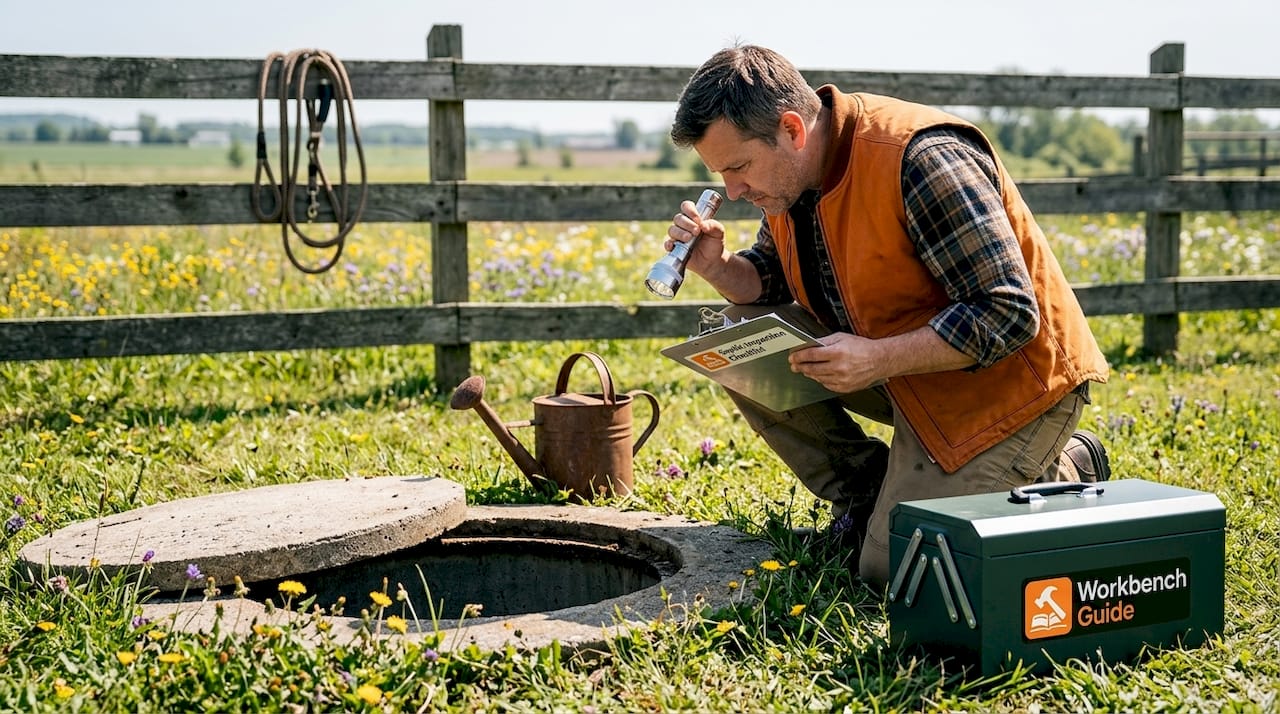
Septic system maintenance is the practice of regularly inspecting, pumping, and managing your home’s on-site wastewater treatment system to prevent failure, contamination, and costly repairs. Every home with a septic system depends on that system working correctly, not just for comfort, but for the health of your family, your neighbors, and the groundwater beneath your property. The EPA estimates that routine maintenance costs just $250 to $500 every three to five years, while a full system repair or replacement runs $5,000 to $15,000. That gap tells you everything you need to know about why maintain septic system care should be a non-negotiable part of homeownership.
Why maintaining your septic system matters most
A septic system does something most homeowners never think about: it treats all the wastewater leaving your home before it reaches the soil and groundwater. The tank separates solids from liquids, bacteria break down organic matter, and the drainfield filters treated effluent into the ground. When the system works, it’s invisible. When it fails, the consequences are immediate, expensive, and sometimes dangerous.
Well-maintained septic systems remove most pollutants before they reach groundwater, while a malfunctioning system can contaminate drinking water sources and spread disease. This isn’t a theoretical risk. Failing systems have been linked to outbreaks of hepatitis A, gastroenteritis, and other waterborne illnesses in communities across the United States. Your system sits underground, but its effects reach far beyond your property line.
The importance of septic maintenance also extends to your finances. A neglected system doesn’t just fail quietly. It fails expensively, often requiring drainfield excavation, soil remediation, and full system replacement. Treating maintenance as optional is one of the most common and costly mistakes homeowners make.
How septic systems work and what maintenance actually involves
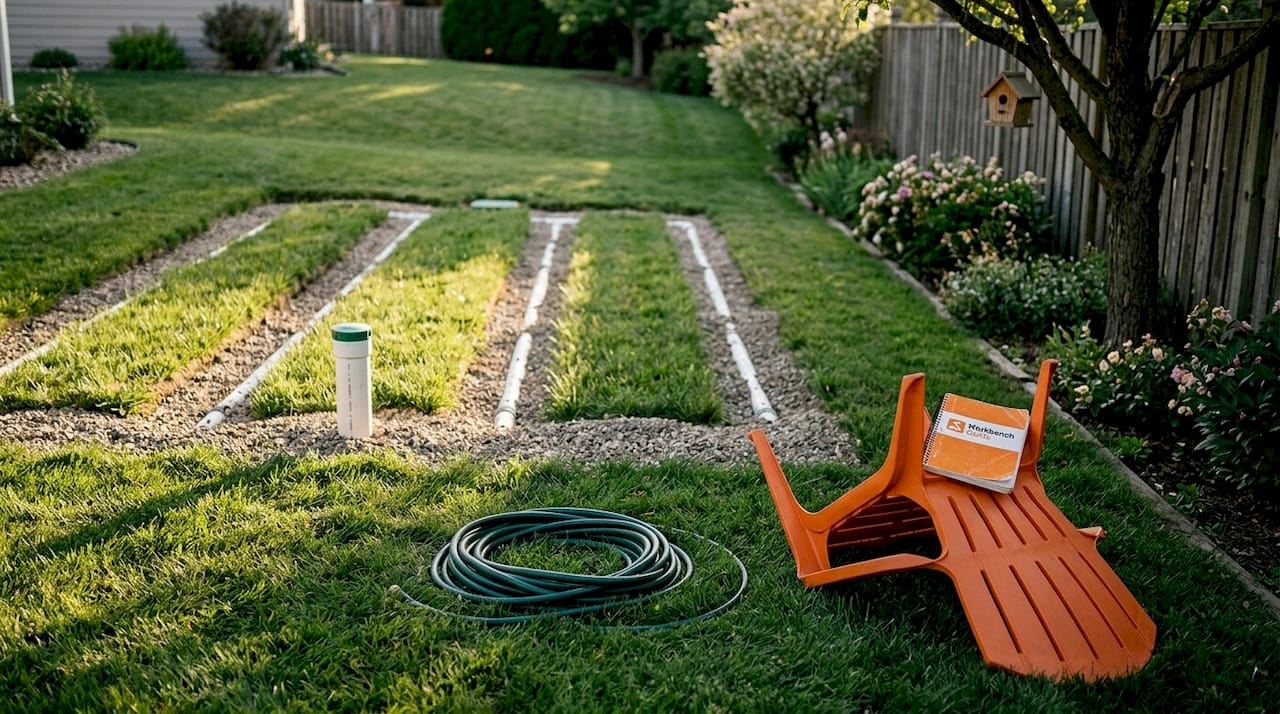
Understanding the basics of your system makes it much easier to understand why each maintenance task matters. A conventional septic system has three main components: the septic tank, the distribution box, and the drainfield (also called a leach field). Wastewater flows from your home into the tank, where heavy solids sink to form sludge and lighter materials float as scum. The liquid layer in the middle, called effluent, flows out to the drainfield for final treatment in the soil.
Bacteria inside the tank break down organic waste continuously, but they can’t eliminate everything. Sludge and scum accumulate over time, and if they’re not removed, they overflow into the drainfield and clog the soil. That’s why pumping is the single most critical maintenance task for any septic system.
The EPA recommends the following core maintenance schedule:
- Tank inspection: Every one to three years by a licensed professional, checking for leaks, baffle condition, and sludge depth
- Tank pumping: Every three to five years to remove accumulated sludge and scum
- Effluent filter cleaning: Every six to twelve months, a task most homeowners can handle themselves
- Mechanical component checks: Pumps and controls in alternative systems may need replacement every 10 to 20 years, so lifecycle budgeting matters
- Drainfield inspection: Look for wet spots, odors, or unusually lush grass, which signal system stress
Your daily habits also shape system health. How much water you use, what you flush, and what goes down the drain all affect how hard your system has to work. Maintenance responsibility includes both professional service intervals and the household practices that happen every single day.
What happens when you neglect septic system care
Neglect has a predictable pattern. Sludge builds up, the drainfield clogs, sewage backs up into the home or surfaces in the yard, and the repair bill arrives. Failure to pump sludge leads to drainfield clogging and permanent damage, costing $5,000 to $15,000 to repair or replace. That figure doesn’t include landscaping restoration, permit fees, or the cost of temporary accommodations if your home becomes uninhabitable during repairs.
The consequences of neglecting septic systems go well beyond your wallet:
- Groundwater contamination: Untreated sewage carries bacteria, viruses, and nitrates that seep into wells and aquifers, threatening drinking water for your household and your neighbors
- Surface water pollution: Malfunctioning systems release bacteria, viruses, and toxic chemicals that harm aquatic ecosystems, killing plants, fish, and shellfish in nearby streams, ponds, and coastal waters
- Disease transmission: Pathogens from failing systems can cause hepatitis, dysentery, and other serious illnesses in humans and animals
- Property value loss: A failed or flagged septic system can reduce your home’s resale value significantly and complicate or block a sale entirely
- Legal liability: In many states, knowingly selling a home with a failing septic system exposes you to legal action from buyers
The environmental damage is worth emphasizing. A single failing system in a neighborhood near a lake or estuary can trigger shellfish bed closures and swimming bans that affect the entire community. The benefits of septic upkeep extend far beyond your own property.
Routine maintenance tasks and their real benefits
The good news is that keeping a septic system healthy doesn’t require constant effort. It requires scheduled effort, which is a very different thing. Here’s how to build a maintenance routine that protects your system for decades.
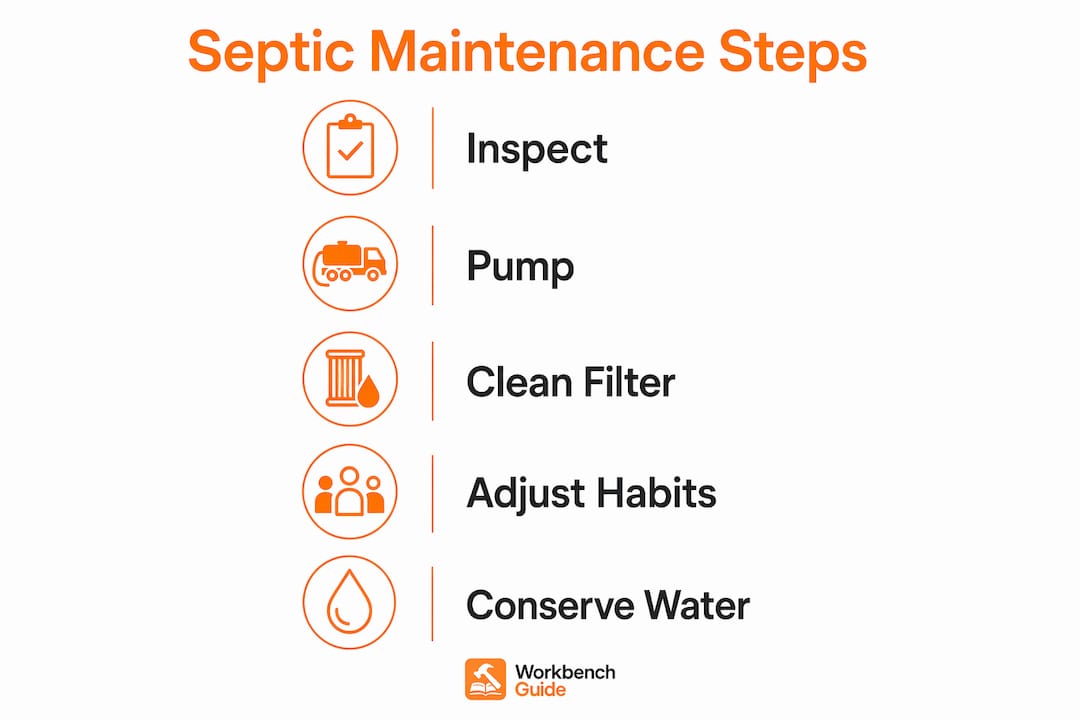
1. Schedule professional inspections every one to three years. A licensed inspector checks baffle condition, measures sludge and scum layers, tests mechanical components, and identifies early signs of drainfield stress. Catching a cracked baffle early costs a few hundred dollars. Replacing a drainfield costs tens of thousands.
2. Pump the tank every three to five years. This is the most important single task in any septic system maintenance schedule. Pumping removes accumulated solids before they can overflow into the drainfield. The exact frequency depends on household size, tank capacity, and water usage, so ask your service provider for a personalized schedule.
3. Clean the effluent filter every six to twelve months. The effluent filter sits at the outlet of your tank and catches solids before they reach the drainfield. It’s a critical checkpoint between pump-outs. Neglecting it can cause solids breakthrough even when the tank is pumped on schedule. Cleaning it is a straightforward DIY task: pull the filter, rinse it with a garden hose over a bucket, and reinstall it.
4. Adjust your habits seasonally. In spring, inspect the drainfield area for wet spots after snowmelt. In summer, spread laundry loads throughout the week to avoid hydraulic overload. In fall, locate and mark your tank lid before the ground freezes. In winter, avoid parking vehicles over the drainfield, since frozen soil combined with compaction can crack pipes.
5. Practice water conservation year-round. High water volume is one of the leading causes of hydraulic overload in septic systems. Fix leaky faucets, install low-flow fixtures, and run dishwashers and washing machines with full loads only.
Pro Tip: Install a riser over your septic tank lid so future pump-outs and inspections don’t require digging. A $50 to $150 riser saves time and money every service visit for the life of the system.
Maintenance costs versus repair costs: the financial case
The financial argument for regular septic system care is straightforward. Routine maintenance is a predictable, manageable expense. Repair and replacement are not.
| Expense | Typical cost range |
|---|---|
| Tank pumping (every 3 to 5 years) | $300 to $500 |
| Professional inspection | $100 to $300 |
| Effluent filter cleaning (DIY) | $0 to $50 |
| Minor repair (baffle replacement) | $200 to $500 |
| Drainfield repair or replacement | $5,000 to $15,000 |
| Full system replacement | $10,000 to $30,000+ |
Spending $400 to $800 every few years on preventative maintenance is the only rational financial choice when the alternative is a five-figure emergency. A well-maintained conventional septic system lasts 25 to 30 years. A neglected one can fail in under a decade.
“Septic maintenance is a cost-effective risk management strategy. The homeowners who call for emergency service are almost always the ones who skipped the routine visits.” — Almco Plumbing, septic service specialists
The math gets even clearer when you factor in property value. Home inspectors flag septic systems during real estate transactions, and a system with no maintenance records is a red flag that can kill a sale or force a price reduction far exceeding the cost of years of proper upkeep.
Owner responsibilities and best practices for daily septic care
How you use your home directly determines how long your septic system lasts. The EPA is explicit that homeowners are responsible for both professional service and the daily habits that affect system health. Here’s what that looks like in practice.
What to never flush or drain:
- Wipes of any kind, including those labeled “flushable”
- Grease, cooking oil, or fat
- Medications and pharmaceuticals
- Harsh chemical drain cleaners, bleach in large quantities, or antibacterial soaps used excessively
- Coffee grounds, paper towels, or feminine hygiene products
These materials either kill the beneficial bacteria your tank depends on or physically clog the system. A garbage disposal adds significant solids load to your tank and shortens the time between required pump-outs.
Physical protection of the drainfield:
- Never park vehicles, place heavy equipment, or build structures over the drainfield
- Keep deep-rooted trees and shrubs at least 30 feet away from the drainfield, since roots actively seek out and invade pipes
- Direct roof drains, sump pumps, and surface runoff away from the drainfield area to prevent hydraulic saturation
Warning signs that require a professional call:
- Slow drains throughout the house (not just one fixture)
- Sewage odors inside or outside the home
- Soggy, spongy, or unusually green grass over the drainfield
- Sewage backup in toilets or floor drains
Pro Tip: Keep a simple maintenance log with dates of inspections, pump-outs, and any repairs. This record adds real value when you sell your home and helps your service provider track system trends over time.
Checking your plumbing annually alongside your septic inspection catches problems at the connection points between your home’s pipes and the tank before they become serious.
Key takeaways
Regular septic system maintenance is the single most effective way to prevent system failure, protect groundwater, and avoid repair costs that can exceed $15,000.
| Point | Details |
|---|---|
| Pump every 3 to 5 years | Removing sludge prevents drainfield clogging, the leading cause of system failure. |
| Inspect every 1 to 3 years | Professional inspections catch baffle damage, leaks, and early drainfield stress before they escalate. |
| Clean effluent filters regularly | Cleaning every 6 to 12 months prevents solids breakthrough even between scheduled pump-outs. |
| Maintenance costs far less than repairs | Routine upkeep costs $400 to $800 per cycle versus $5,000 to $30,000 for repairs or replacement. |
| Daily habits matter as much as service visits | Avoiding wipes, grease, and harsh chemicals protects the bacterial process your tank depends on. |
The real cost of waiting: a perspective from Sean
Most homeowners I’ve talked to treat their septic system the same way they treat their car’s transmission: they ignore it until something goes wrong. The problem is that a transmission failure leaves you stranded on the road. A septic failure leaves you with sewage in your yard, a condemned drainfield, and a bill that can wipe out a year’s worth of home improvement budget in a single afternoon.
The maintenance tasks themselves are not complicated or expensive. What makes them feel optional is that a healthy septic system gives you no feedback. It just works. That silence is exactly what tricks homeowners into skipping the three-year pump-out or the annual filter cleaning. The system seems fine, so why spend the money?
Here’s what I’ve seen change that thinking: homeowners who keep a maintenance log and actually look at the dates. When you write down that your last pump-out was six years ago, the urgency becomes real. The system hasn’t failed yet, but you’re borrowing time.
The environmental angle is also underappreciated. Your septic system sits above the same aquifer that supplies your well, your neighbor’s well, and possibly a local stream or pond. Properly functioning systems protect that water. Failing ones contaminate it, sometimes for years before anyone traces the source. That’s not just a personal financial problem. It’s a community health problem that you have the power to prevent with a $400 pump-out.
Treat your septic system like the infrastructure it is. Schedule the service, keep the records, and protect the investment you’ve already made in your home.
— Sean
Stay ahead of septic issues with Workbenchguide
Workbenchguide is built for homeowners who want to stay ahead of maintenance, not react to emergencies. The platform gives you smart reminders for septic pump-outs, inspection schedules, and seasonal care tasks so nothing falls through the cracks. Use the home maintenance checklist to track every system in your home, from your septic tank to your roof, with step-by-step guidance and contractor recommendations when a job needs a professional. If you’ve been putting off a septic inspection or can’t remember the last time your tank was pumped, Workbenchguide is the place to start getting organized and protecting your home’s most critical systems.
FAQ
How often should a septic tank be pumped?
Septic tanks should be pumped every three to five years for most households. The exact frequency depends on tank size and the number of people in the home.
What are the signs of a failing septic system?
The most common warning signs include slow drains throughout the house, sewage odors indoors or outdoors, soggy ground over the drainfield, and sewage backing up into toilets or floor drains. Any of these symptoms require an immediate professional inspection.
Can I clean my own effluent filter?
Yes. Effluent filter cleaning is one of the few septic maintenance tasks suited for DIY. Pull the filter from the outlet baffle, rinse it thoroughly with a garden hose into a bucket, and reinstall it. The EPA recommends cleaning it every 6 to 12 months.
Why do septic systems fail prematurely?
Most premature failures trace back to infrequent pumping, flushing materials that harm the bacterial process, hydraulic overload from excessive water use, or physical damage to the drainfield from vehicles or tree roots. Sewer backup risks increase sharply when any of these factors go unaddressed.
Does septic maintenance affect home resale value?
A documented maintenance history adds real value during a home sale and prevents the system from becoming a negotiating liability. A failed or unmaintained system can reduce your home’s value or block a sale entirely during the inspection process.