
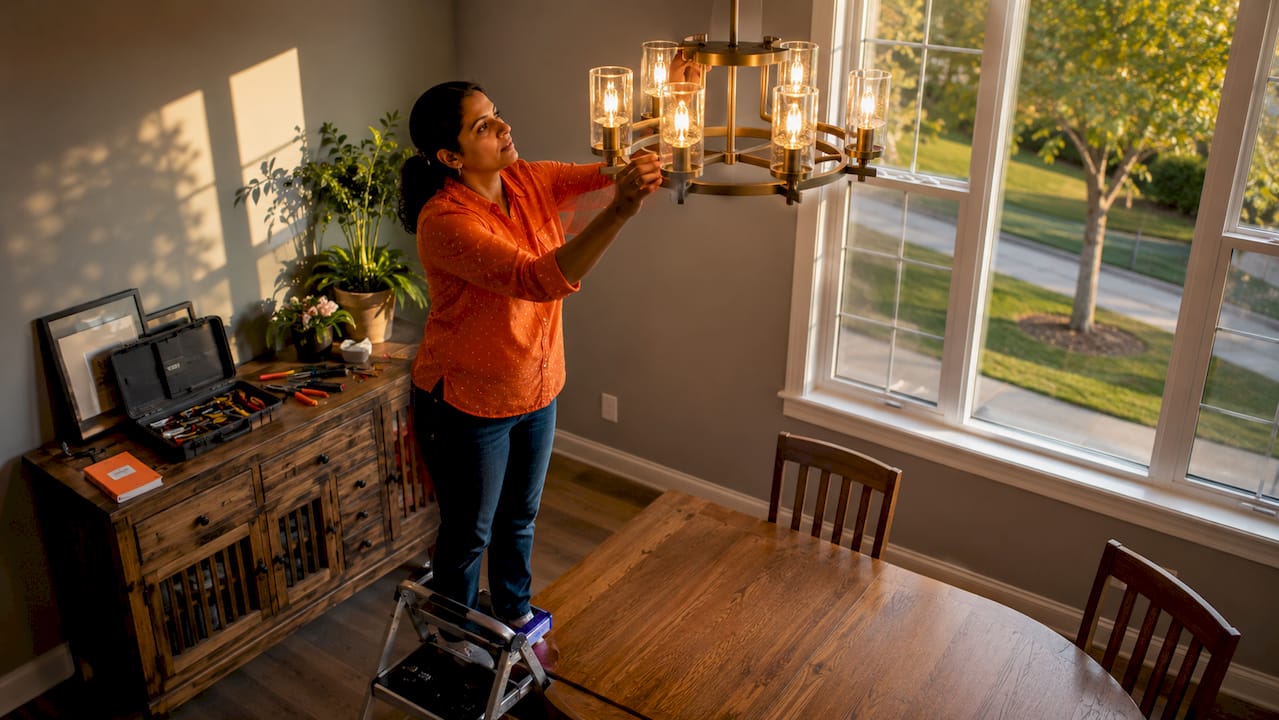
Updating lighting fixtures is one of the fastest ways to improve your home’s appearance, cut energy costs, and make every room safer and more functional. The term “fixture upgrade” covers everything from swapping a dated ceiling fan light to installing a full layered lighting system with smart controls. Whether you own or rent, the reasons to change fixtures go well beyond style. Modern lighting technology, particularly LED and smart systems, delivers measurable savings and real quality-of-life improvements that older fixtures simply cannot match.
Why update lighting fixtures for aesthetics and design
Modern fixtures do more than light a room. They define it. A well-chosen pendant over a kitchen island or a statement chandelier in an entryway acts as a focal point, the same way art or furniture does. Swapping one dated fixture can shift the entire feel of a space without touching a single wall.
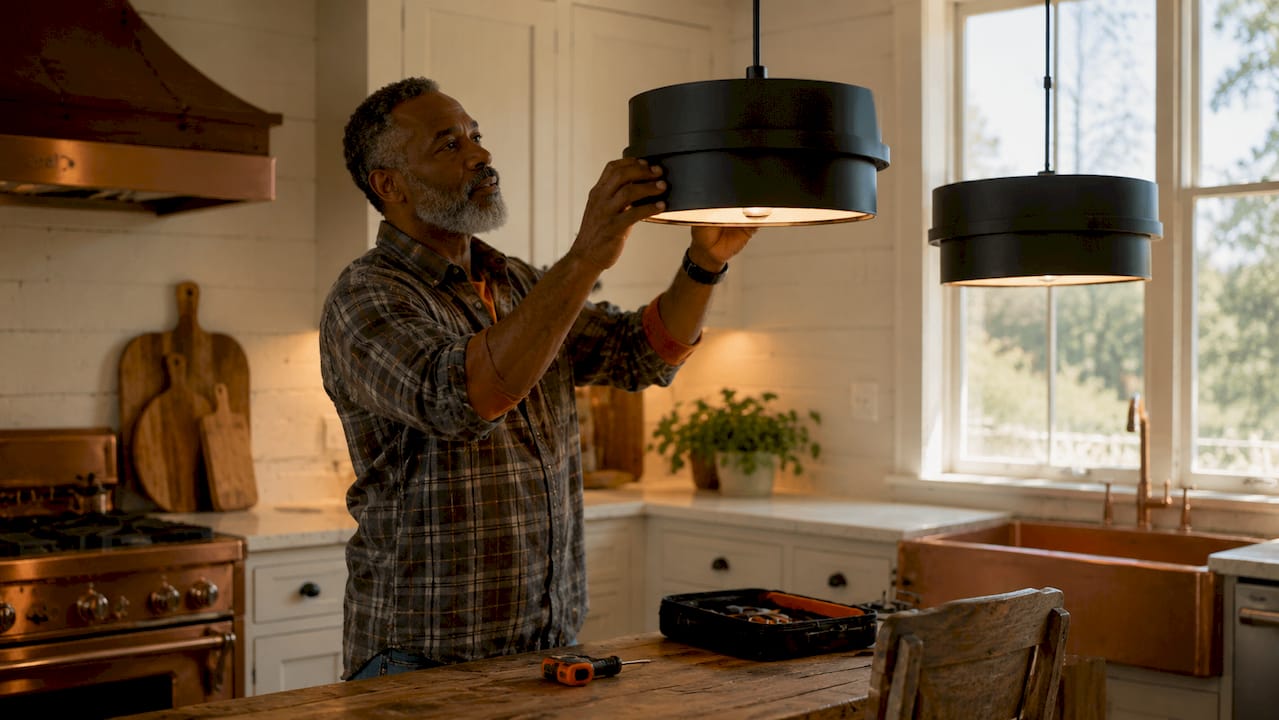
The most effective approach to improving home lighting is layered lighting, which combines three types: ambient (general overhead light), task (focused light for work areas), and accent (decorative or directional light). Layered lighting improves multifunctionality and lets you adapt a room from bright and practical to warm and relaxed within seconds. A living room with only one overhead fixture feels flat. Add a floor lamp, under-shelf lighting, and a dimmer, and the same room feels intentional and polished.
Fixture style also changes how large or small a room feels. Recessed lighting draws the eye upward and makes ceilings appear higher. A large drum shade pendant in a small dining room creates intimacy. Sconces flanking a bathroom mirror eliminate harsh shadows and make the space feel more like a spa than a utility room.
Popular fixture choices that deliver strong visual impact include:
- Pendant lights: Work well over kitchen islands, dining tables, and entryways
- Recessed downlights: Clean and versatile for kitchens, hallways, and living rooms
- Under-cabinet lighting: Adds task light in kitchens while highlighting countertops
- Wall sconces: Ideal for bathrooms, stairways, and bedroom reading nooks
- Statement chandeliers: Anchor dining rooms and foyers with personality
Pro Tip: Match your fixture’s finish (matte black, brushed nickel, brass) to other metal accents in the room, like cabinet hardware or faucets. This creates a pulled-together look without a full renovation.
How much energy do LED fixtures actually save?
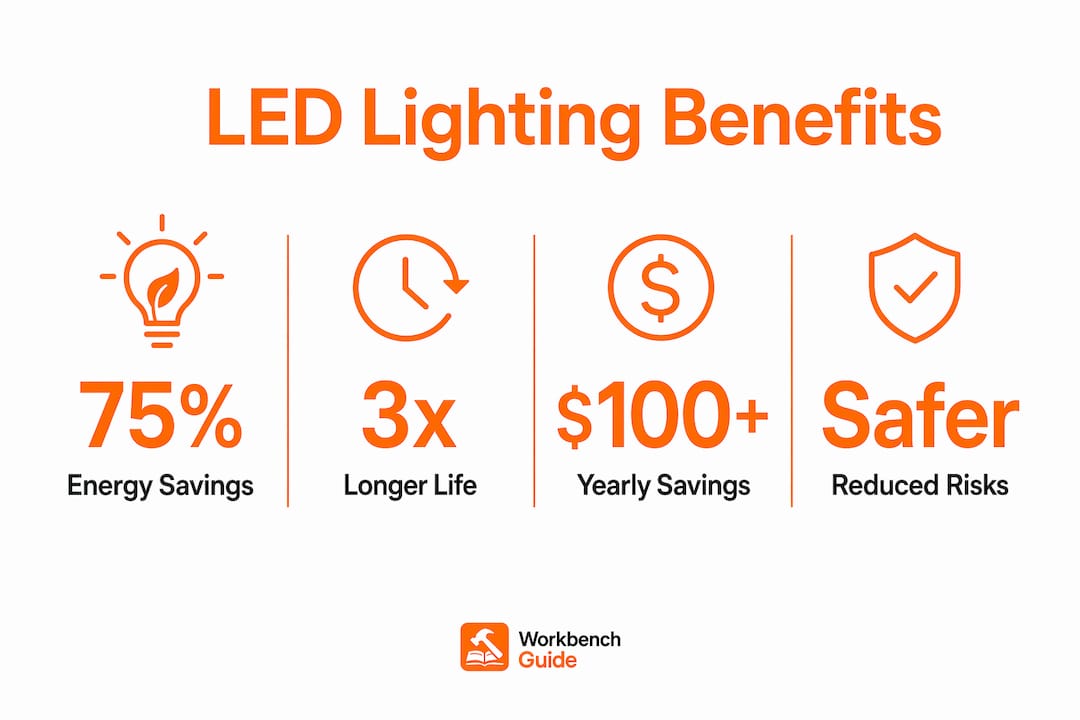
The answer is significant. LED lighting uses 75% less energy than incandescent bulbs. That single fact means a home running 20 light fixtures could cut its lighting electricity use by three-quarters just by switching bulb and fixture technology. That reduction shows up directly on your monthly utility bill.
LED fixtures also last far longer than incandescent or fluorescent alternatives. Fewer replacements mean lower maintenance costs over time, which matters especially for fixtures in hard-to-reach spots like vaulted ceilings or stairwells.
| Feature | Incandescent | LED |
|---|---|---|
| Energy use | Baseline | ~75% less |
| Lifespan | Short | Much longer |
| Heat output | High | Low |
| Dimmer compatible | Most | Many models |
| Smart control ready | No | Yes (many models) |
Smart lighting takes savings further. Smart systems adjust brightness and color temperature dynamically throughout the day, reducing waste when rooms are empty and matching light levels to actual need. Voice control and scheduling mean lights are never left on by accident. For homeowners focused on cutting energy bills, smart LED fixtures are the single most cost-effective upgrade available.
Pro Tip: When replacing fixtures, check the fixture’s maximum wattage rating. Installing a bulb that exceeds the rating is a fire risk, even with LED bulbs, since some older fixtures have heat-sensitive wiring.
Does updated lighting improve home functionality and safety?
Updated lighting improves both, and the two are more connected than most homeowners realize. Poor lighting is a leading cause of household accidents. Stairways without adequate lighting, dark hallways, and unlit exterior steps all create fall and trip hazards. Replacing dim or broken fixtures in these areas is a direct safety improvement, not just a cosmetic one.
Outdated fixtures often lack proper grounding, and degraded wiring creates fire and shock hazards. This is a hidden risk that many homeowners overlook because the fixture still turns on. A light that works is not necessarily a light that is safe.
Functional lighting upgrades that make the biggest practical difference:
- Stairway and hallway lighting: Install fixtures at both the top and bottom of stairs. Motion-activated options work well here since these areas are used briefly and frequently.
- Exterior and entry lighting: Well-lit entries deter crime and improve visibility for guests. Outdoor lighting reduces property crime risks and creates a safer environment around the home.
- Kitchen task lighting: Under-cabinet lights eliminate shadows on countertops, making food prep safer and more accurate.
- Bathroom vanity lighting: Side-mounted sconces at eye level eliminate the unflattering and unsafe shadows created by overhead-only lighting.
- Smart dimmers and schedules: Dimmers let you shift a room from bright work mode to relaxed evening mode. Scheduled lighting can simulate occupancy when you travel, adding a security layer.
Repeated flickering or breaker trips indicate electrical system issues that require professional evaluation before any fixture replacement. Skipping that step and installing new fixtures over faulty wiring creates new risk on top of old risk. A home safety inspection before a major lighting upgrade is the right starting point.
Does upgrading lighting increase home value?
Yes, and the return is stronger than most homeowners expect. Landscape lighting accounts for up to 7% of a home’s total value and scores a perfect 10 out of 10 on the homeowner Joy Score, recovering roughly 59% of its cost at resale. That is a strong return for an upgrade that many homeowners treat as optional.
Interior lighting upgrades also move the needle. Bright, modern lighting makes homes appear larger and cleaner, which directly influences buyer perception during showings. Real estate agents consistently rank lighting among the highest-ROI minor cosmetic improvements available to sellers.
“The psychology of lighting influences buyer perception. Modern layered lighting signals a well-maintained, inviting home, and buyers respond to that signal before they consciously process it.”
The staging effect of good lighting is real. Homes shown with warm, layered lighting feel more livable than homes with harsh overhead fluorescents or dim, dated fixtures. Buyers form impressions in seconds, and lighting shapes those impressions before they read a single feature on the listing sheet.
Key ways lighting upgrades boost buyer appeal:
- Exterior lighting creates a strong first impression during evening showings
- Updated kitchen and bathroom fixtures signal a well-maintained home
- Recessed and task-specific lighting yields higher perceived value than many large renovations
- Consistent fixture finishes throughout the home suggest intentional design
Lighting upgrades typically cost between $100 and $300 per fixture, making them one of the most accessible ways to improve both daily living and resale appeal without structural work.
Key Takeaways
Updating lighting fixtures delivers overlapping benefits across aesthetics, energy savings, safety, and home value, making it one of the most cost-effective upgrades available to homeowners and renters.
| Point | Details |
|---|---|
| Energy savings are immediate | LED fixtures use 75% less energy than incandescent bulbs, cutting utility bills from day one. |
| Layered lighting transforms rooms | Combining ambient, task, and accent lighting improves both function and visual appeal without renovation. |
| Safety is a hidden benefit | Old fixtures with degraded wiring create fire and shock hazards that new fixtures eliminate. |
| Lighting boosts resale value | Landscape lighting recovers ~59% of cost at resale and can account for up to 7% of home value. |
| Budget is manageable | Most fixture upgrades cost $100–$300 per unit, delivering outsized visual and functional impact. |
What I’ve learned from watching homeowners get lighting wrong
Most homeowners I talk to treat lighting as the last item on a renovation list. They spend months choosing paint colors and cabinet hardware, then pick the first fixture that fits the hole in the ceiling. That approach explains why so many updated kitchens still feel dim and uninviting.
The mistake I see most often is treating every room as a single-light problem. One overhead fixture, centered in the room, is almost never enough. It creates flat, shadowless light that makes a space feel institutional rather than residential. The fix is not expensive. Adding one or two lamps, a dimmer switch, or under-cabinet lighting costs less than a new appliance and changes the room completely.
The second mistake is skipping the electrical check. I have seen homeowners install beautiful new fixtures over wiring that should have been replaced a decade ago. The new fixture looks great right up until it causes a problem. Before you spend money on fixtures, spend an hour on a basic electrical safety check. It is the kind of step that feels unnecessary until it is not.
My honest advice: start with one room, do it properly with layered lighting, and live with it for a week. You will not want to go back. Then work through the rest of the house incrementally. A whole-home lighting overhaul done at once is expensive and exhausting. Room by room, it is manageable and satisfying.
— Sean
Plan your lighting upgrade with Workbenchguide
Lighting upgrades are most effective when they fit into a broader home maintenance plan. Workbenchguide’s home maintenance checklist helps you schedule fixture reviews alongside other annual tasks, so nothing gets overlooked. You can track which rooms need updates, flag electrical concerns before they become problems, and work through upgrades at a pace that fits your budget. Workbenchguide also offers DIY project guides for homeowners who want step-by-step help with fixture installation, wiring checks, and room-by-room lighting plans.
FAQ
Why should I update lighting fixtures in my home?
Updated fixtures improve home aesthetics, cut energy costs with LED technology, and eliminate safety risks from degraded wiring in older fixtures. They also increase perceived home value and buyer appeal.
How much do lighting fixture upgrades typically cost?
Most fixture upgrades cost between $100 and $300 per fixture, making them one of the more affordable home improvements with strong visual and functional returns.
Do LED fixtures really save money on energy bills?
Yes. LED fixtures use 75% less energy than incandescent bulbs, which translates directly to lower monthly utility costs from the moment you switch.
Can old lighting fixtures be a safety hazard?
Old fixtures often have degraded insulation and missing grounding, which creates fire and shock risks. Flickering lights or frequent breaker trips are warning signs that require professional evaluation.
Does updated lighting increase home resale value?
Landscape and exterior lighting can account for up to 7% of a home’s total value and recover roughly 59% of its cost at resale. Interior lighting upgrades also improve buyer perception during showings.
Leave a Reply