
Roof maintenance tips are a set of routine inspection, cleaning, and repair practices that extend roof lifespan and prevent expensive structural damage. A well-maintained roof can last 25 to 30 years on asphalt shingles, while a neglected one may fail in half that time. The difference comes down to consistent upkeep: clearing gutters, checking flashings, controlling attic moisture, and cleaning surfaces with methods that preserve your warranty. This guide walks you through every critical step, from safe inspection techniques to ARMA-approved cleaning, so you can protect one of your home’s most valuable assets.
1. How to safely inspect your roof without taking unnecessary risks
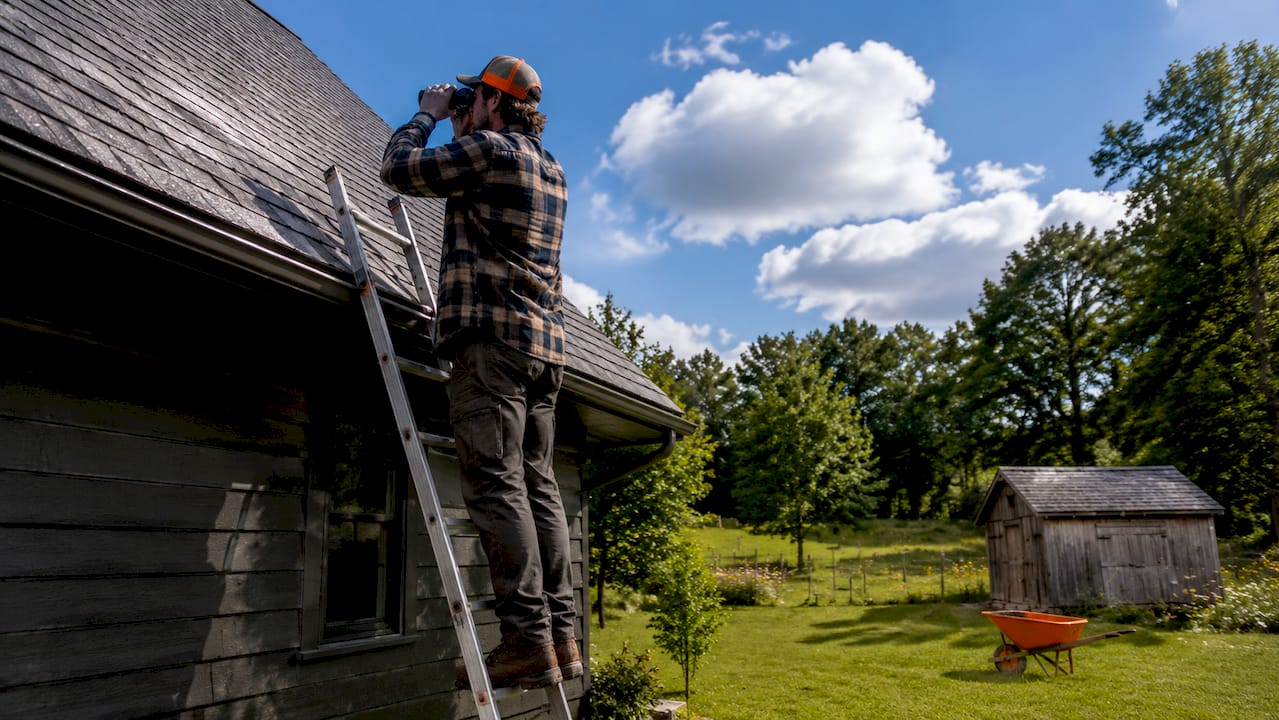
Safe roof inspection starts on the ground. Use binoculars from your yard to scan for visible damage like missing shingles, lifted edges, or sagging sections before you ever touch a ladder. This approach gives you a clear picture of the roof’s overall condition without the risk of a fall.
If you do use a ladder, inspect only the edges and gutters. Avoid walking on the roof surface unless absolutely necessary. Wet or moss-covered shingles are slippery, and foot traffic accelerates granule loss on asphalt shingles. Always use a spotter and work on clear, dry days.
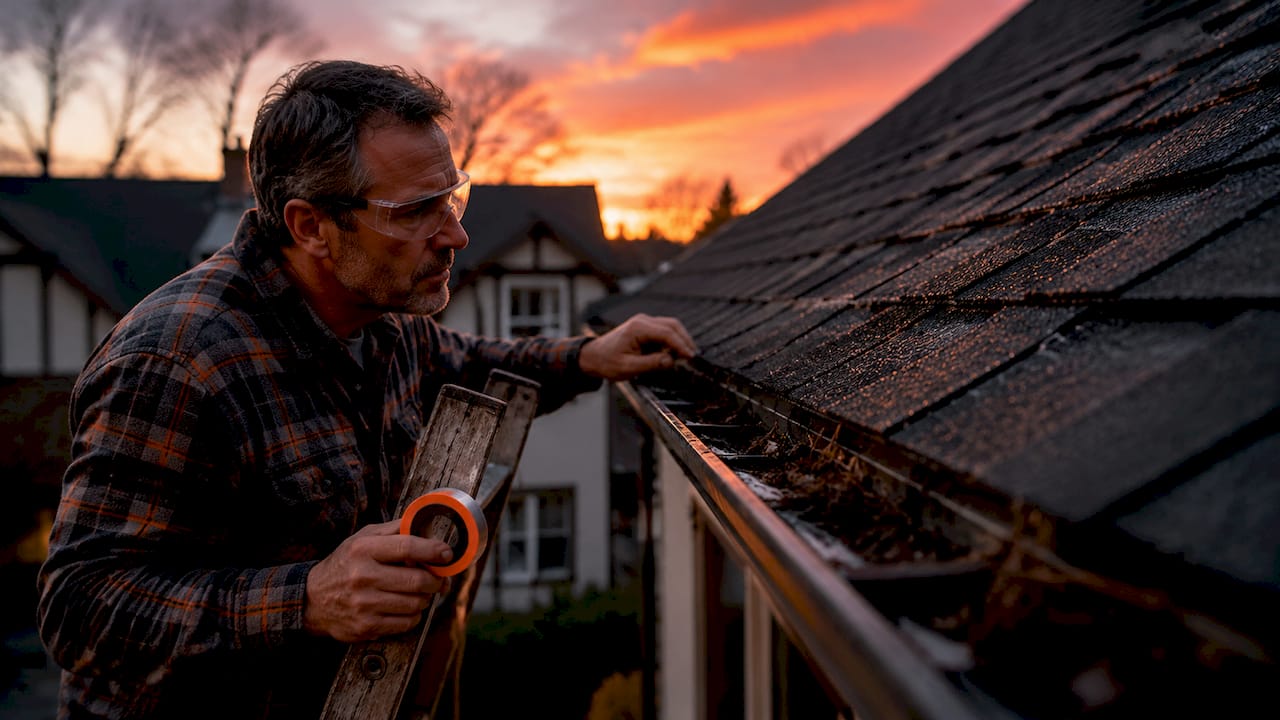
Focus your close inspection on the highest-failure areas: flashings around chimneys, vent pipes, and skylights. These metal and caulk junctions degrade faster than shingles and are responsible for a disproportionate share of residential leaks. Check for cracked caulk, rust stains, or lifted metal edges.
Inside the attic, look for water stains, dark discoloration, or mold on the decking and rafters. These are direct signs of an active or past leak. A flashlight and a few minutes twice a year can catch problems before they spread to insulation or drywall.
Pro Tip: For roofs older than 15 years or after any severe weather event, schedule a professional inspection. A licensed roofer can spot micro-cracks and flashing gaps that are invisible from the ground.
2. Cleaning your roof the right way to preserve warranty and prevent damage
Pressure washing asphalt shingle roofs is one of the most common and costly mistakes homeowners make. High-pressure water strips granules from shingle surfaces, creates direct leak paths, and voids manufacturer warranties. The damage is often invisible at first but accelerates aging significantly.
The Asphalt Roofing Manufacturers Association (ARMA) approves a soft washing method using low-pressure application of sodium hypochlorite-based solutions. This approach kills algae, moss, and lichen at the root without mechanical abrasion. The process involves applying the solution, allowing proper dwell time, and rinsing gently with a garden hose.
Here is the correct sequence for a safe, ARMA-compliant roof cleaning:
- Pre-wet all surrounding vegetation and cover landscaping with plastic sheeting to protect plants from chemical runoff.
- Mix a sodium hypochlorite solution at the concentration recommended for your specific growth type (algae requires less than moss or lichen).
- Apply the solution at low pressure using a pump sprayer or soft wash system, working from the ridge down.
- Allow the solution to dwell for 15 to 20 minutes without letting it dry on the surface.
- Rinse gently with a standard garden hose, never a pressure washer.
Cleaning alone does not solve recurring biological growth. Algae and moss return when moisture sources and drainage problems remain unaddressed. Fix the root cause first, then clean.
After cleaning, install zinc or copper strips just below the ridge line. Rainwater carries trace metals down the roof surface, inhibiting future moss and algae growth for years. This is one of the most cost-effective preventative steps available to homeowners.
3. Maintaining gutters, flashing, and penetrations to stop leaks early
Gutters and downspouts are the roof’s drainage system. When they clog with leaves, pine needles, or debris, water backs up under shingles and saturates fascia boards. Clean gutters at least twice yearly, in late fall after leaves drop and in spring after tree pollen and seed pods accumulate.
Key maintenance tasks for this category include:
- Inspect and re-seal flashing caulk around all roof penetrations annually. Cracked or missing caulk is the single most common entry point for water.
- Check downspouts to confirm water exits at least 3 feet from the foundation. Short or clogged downspouts direct water toward footings and can cause basement moisture problems.
- Look for granule accumulation in gutters during each cleaning. Heavy granule buildup signals aging shingles that may need replacement within the next few years.
- Repair or replace damaged soffits and fascia promptly. Rotted wood behind gutters compromises the entire gutter attachment and creates an entry point for pests.
Pro Tip: Snap a photo of your gutters before and after cleaning each season. Over two or three years, the granule accumulation trend tells you more about shingle health than any single inspection.
Flashing inspection deserves its own focused pass. Annual resealing of caulk around chimneys, vent pipes, and skylights costs almost nothing in materials and prevents repairs that can run into thousands of dollars. Use a polyurethane or silicone roofing caulk rated for exterior use and temperature cycling.
4. Attic ventilation and insulation: the hidden drivers of roof health
The attic is the most overlooked component in residential roof care. Poor ventilation traps heat and moisture, which accelerates shingle degradation from below and creates conditions for mold growth on roof decking. Balanced airflow and insulation directly reduce the risk of ice dams in winter and premature shingle failure year-round.
The EPA recommends keeping indoor humidity below 60%, with an ideal range of 30 to 50%, to prevent mold growth. In the attic, this means soffit vents and ridge vents must work together without obstruction. Insulation pushed against soffit vents blocks airflow and defeats the entire system.
| Condition | What it signals | Recommended action |
|---|---|---|
| Frost or condensation on decking | Inadequate ventilation in winter | Clear soffit vents, add ridge vent if missing |
| Mold or dark staining on rafters | Chronic moisture, possible leak | Fix leak source, improve airflow, treat mold |
| Attic temperature above 150°F in summer | Insufficient ventilation | Add attic fan or additional ridge venting |
| Ice dams at roof edge in winter | Heat escaping through under-insulated attic | Improve insulation and air sealing at ceiling level |
Inspect attic ventilation twice a year: once before the first hard freeze and once after the winter thaw. The pre-winter check catches blocked vents before ice dam season. The post-winter check reveals any moisture damage that accumulated over the cold months. This timing aligns with the broader seasonal roof maintenance rhythm that keeps your roof performing year after year.
5. Replacing damaged shingles before small problems become big ones
Missing, curled, cracked, or lifted shingles are not cosmetic issues. Damaged shingles must be replaced immediately to prevent water from reaching the underlayment and decking below. Once water penetrates the shingle layer, repair costs multiply quickly.
A single missing shingle exposes the underlayment to UV degradation and direct rain. Within one or two seasons, the underlayment can crack and allow water into the decking. From there, rot spreads laterally and the repair scope expands from one shingle to a section of decking.
Curling shingles come in two forms: cupping, where edges turn upward, and clawing, where the middle lifts while edges stay flat. Both indicate age or moisture imbalance and signal that replacement is approaching. If more than 20 percent of shingles show curling, a full roof replacement conversation with a licensed contractor is worth having.
For isolated damage after a storm, three-tab and architectural shingles are available at most home improvement stores. Match the color and profile as closely as possible. Replacing one or two shingles is a manageable DIY task for a confident homeowner on a low-slope section, but steep or high roofs should always go to a professional.
6. Documenting your roof condition to protect your investment over time
Documentation is the most underused tool in residential roof care. Time-stamped photos filed in a simple folder on your phone or computer track deterioration over time and give you concrete evidence when filing insurance claims or warranty requests.
Follow this documentation routine to build a useful record:
- Photograph the full roof from each corner of the property at every inspection.
- Take close-up shots of any damage, staining, or repaired areas with a date stamp visible.
- Log the date, weather conditions, and any work performed in a simple notes app or spreadsheet.
- Store contractor invoices and warranty documents alongside your photo log.
- Review the full record annually to spot gradual changes that are invisible inspection to inspection.
A well-maintained roof inspection log also supports contractor communication. When you can show a roofer three years of photos, they can give you a far more accurate assessment than a cold inspection allows. This record also helps you plan a replacement timeline and avoid the financial shock of an emergency re-roof.
Schedule formal maintenance twice yearly, in spring and fall, plus an additional check after any hailstorm, high-wind event, or heavy snow load. The spring check catches winter damage. The fall check prepares the roof for ice and freeze-thaw stress. This rhythm is the backbone of any solid preventative roof care program.
Key takeaways
Consistent roof maintenance prevents the majority of residential leaks, premature shingle failure, and costly structural repairs by addressing inspection, cleaning, ventilation, and documentation on a regular schedule.
| Point | Details |
|---|---|
| Inspect twice yearly plus after storms | Focus on flashings, gutters, attic, and shingle condition each visit. |
| Use ARMA-approved soft washing only | Pressure washing voids warranties and strips granules from asphalt shingles. |
| Control attic humidity below 60% | Balanced soffit and ridge ventilation prevents mold, rot, and ice dams. |
| Replace damaged shingles immediately | Delayed repairs allow water to reach decking and multiply repair costs. |
| Document every inspection with photos | Dated photo logs support warranty claims and help plan replacement timing. |
What I’ve learned from watching homeowners skip the basics
I’ve reviewed hundreds of home maintenance records through Workbenchguide, and the pattern is consistent. Homeowners who avoid expensive roof repairs are not doing anything exotic. They clean gutters in fall, check flashing caulk once a year, and take photos. That’s most of it.
The misconception I see most often is that roof maintenance means walking the roof. It does not. The most valuable inspection work happens from the ground with binoculars, inside the attic with a flashlight, and at the gutter line with a ladder. Roof walks add risk without proportional benefit for the average homeowner.
The second misconception is that pressure washing is a thorough cleaning method. It feels satisfying and looks dramatic, but it shortens shingle life and can void the warranty on a roof that still has years of service left. Soft washing with a sodium hypochlorite solution is slower and less visually dramatic, but it is the method that actually protects your investment.
My honest recommendation: treat flashing and gutter maintenance as non-negotiable twice-yearly tasks, and treat everything else as a bonus. If you do only those two things consistently, you will catch 80 percent of the problems that turn into expensive repairs. Add documentation, and you will have the evidence you need when insurance or warranty conversations arise.
— Sean
Stay on top of roof care with Workbenchguide
Keeping your roof in good shape is easier when you have a system. Workbenchguide gives homeowners a year-round maintenance checklist that includes seasonal roof tasks, smart reminders, and step-by-step DIY guides for everything from gutter cleaning to attic ventilation checks. You can log completed tasks, track expenses, and know exactly what needs attention before a small issue becomes a costly repair. If a job goes beyond DIY, Workbenchguide connects you with trusted contractors. Start your preventative maintenance plan today and stop reacting to roof problems after they happen.
FAQ
How often should I inspect my roof?
Inspect your roof twice a year, in spring and fall, plus after any severe weather event involving hail, high winds, or heavy snow. Roofs older than 15 years benefit from an annual professional inspection.
Can I pressure wash my asphalt shingle roof?
No. Pressure washing strips granules, creates leak paths, and voids most manufacturer warranties. ARMA recommends low-pressure soft washing with a sodium hypochlorite solution as the only safe cleaning method for asphalt shingles.
What causes ice dams and how do I prevent them?
Ice dams form when heat escapes through a poorly insulated attic, melts snow on the roof, and refreezes at the cold eaves. Improving attic insulation and air sealing, combined with clear soffit and ridge vents, eliminates the heat loss that causes them.
How do I know when to replace my roof instead of repairing it?
If more than 20 percent of shingles show curling, cracking, or granule loss, or if the roof is approaching 20 to 25 years old, a full replacement is likely more cost-effective than continued repairs. A licensed roofing contractor can give you a replacement timeline based on current condition.
Why is flashing the most important thing to inspect?
Flashing at chimneys, skylights, and vent pipes fails faster than shingles and is the leading cause of residential roof leaks. Annual resealing of flashing caulk costs very little and prevents water intrusion that can damage decking, insulation, and interior ceilings.