
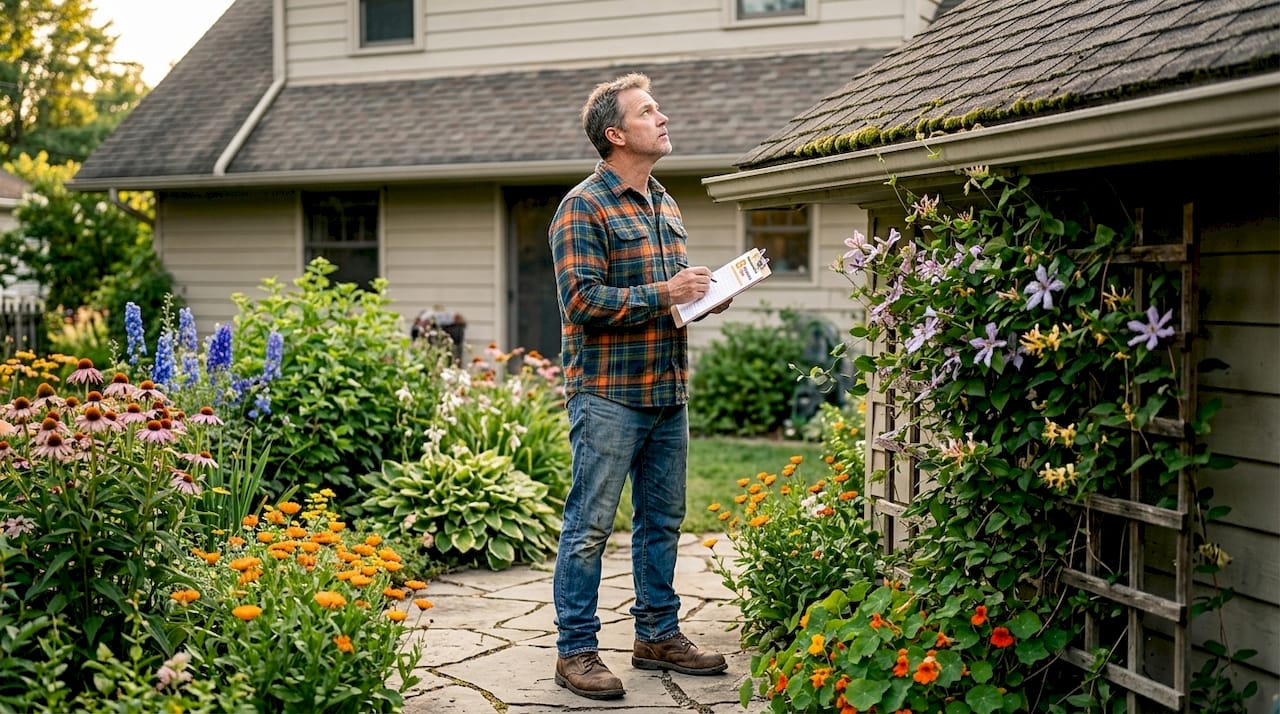
Your roof is quietly working against you if you’re not checking it regularly. Most homeowners never look up until water is dripping from the ceiling, and by that point, what started as a $200 shingle repair has turned into a $12,000 moisture damage nightmare. The real danger isn’t storms or age — it’s the hidden problems that build for months before making themselves known. This article walks you through exactly why routine inspections matter, how often to do them, what they should actually cover, and how a modest upfront cost protects you from budget-busting surprises down the road.
Table of Contents
- The real consequences of skipping roof inspections
- How often should you inspect your roof?
- What makes an effective roof inspection?
- The real cost of roof inspection versus repairs
- Insurance and documentation: What homeowners need to know
- Why surface-level checks aren’t enough: What most guides miss
- Take the next step: Protect your home with smart maintenance
- Frequently asked questions
Key Takeaways
| Point | Details |
|---|---|
| Routine checks prevent costly damage | Regular roof inspections catch minor problems before they turn into expensive repairs. |
| Twice-yearly inspections are best | Schedule roof inspections in spring and fall, plus after severe weather events, for optimal protection. |
| Quality inspection goes beyond visuals | A thorough approach includes attic checks and hands-on component review, not just ground-level observation. |
| Early repairs cost less | Fixing small issues right away is far cheaper than waiting for major leaks or structural damage. |
| Inspection documentation aids insurance | Proper reports support insurance claims, especially after storms or emergencies. |
The real consequences of skipping roof inspections
After years of helping homeowners tackle maintenance problems, one pattern stands out clearly: the most expensive repairs are almost always ones that could have been caught early. A cracked shingle here, a slightly lifted piece of flashing there. These seem minor. They are not.
When small defects go unnoticed, water finds a way in. Not all at once, but slowly, over weeks and months. By the time you notice a water stain on your ceiling, the damage trail runs deeper than the stain suggests.
Here’s what can go wrong when routine inspections are skipped:
- Cracked or loose shingles let water seep under the roofing layer during rain, gradually soaking the wood decking below.
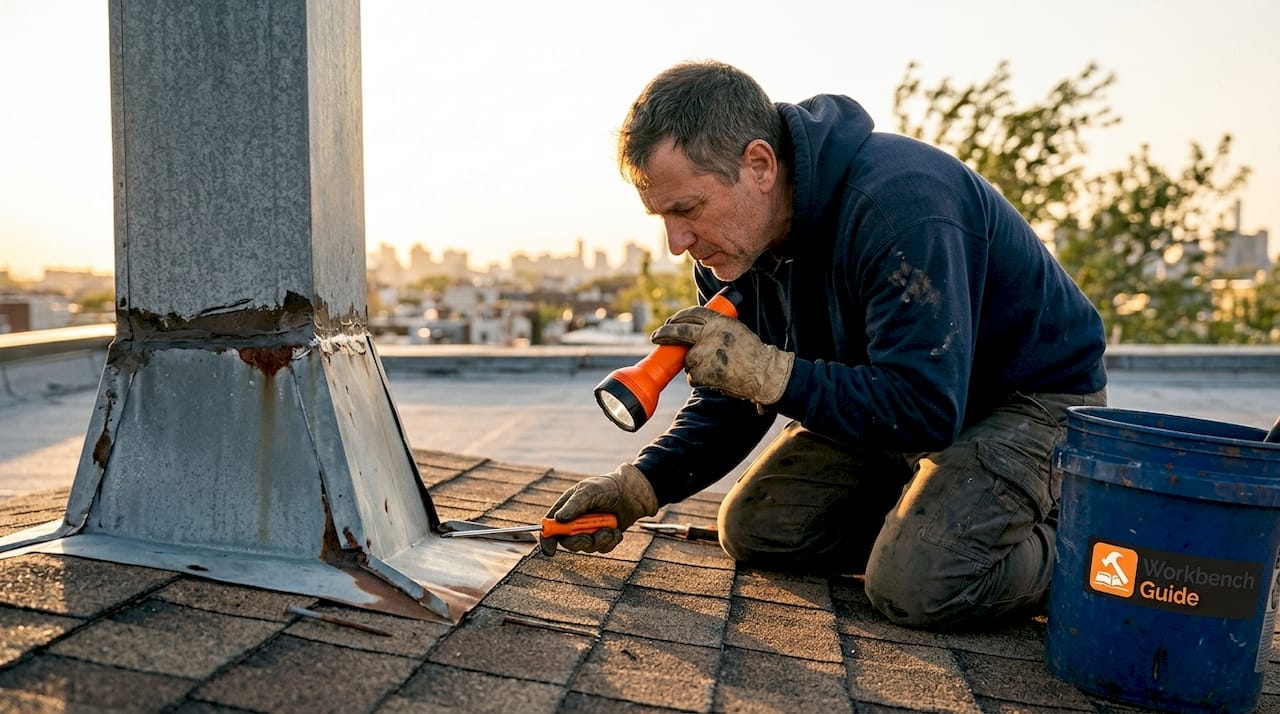
- Damaged flashing around chimneys, vents, and skylights is one of the most common entry points for water. It’s also one of the easiest things to miss during a casual glance from the ground.
- Poor attic ventilation, which often goes hand in hand with roofing issues, accelerates moisture buildup and can lead to insulation damage within a single season.
- Mold growth begins once moisture settles into wood or insulation. Once established, mold remediation adds thousands to your repair bill on top of the roofing work itself.
- Wood rot weakens the structural decking and rafters, which can turn a roofing repair into a partial replacement.
Regular roof inspections help find minor issues early — like loose shingles and damaged flashing — before they escalate into leaks, wood rot, insulation damage, and mold.
The cascading nature of roof damage is what makes it so costly. A $175 flashing repair ignored for 18 months can easily become a $6,000 water intrusion project. Knowing this, it becomes clear why inspections are one of the smartest ways to prevent expensive repairs before they have a chance to spiral out of control.
How often should you inspect your roof?
Having seen the risks of neglect, the next step is knowing how often your roof needs attention. The answer is simpler than most people expect, but the details matter.
The standard recommendation is twice per year: once in the spring after winter stress, and once in the fall before cold weather arrives. Twice-yearly roof inspections — spring and fall — plus checks after severe weather events, give you the best chance of catching problems early.
Here’s a practical inspection schedule to follow:
- Spring inspection. Winter ice, snow load, and freeze-thaw cycles can crack shingles and shift flashing. A spring inspection catches any damage before spring rains push moisture into vulnerable spots.
- Fall inspection. Before the cold season locks you out of easy repairs, check for debris buildup, worn sealants around vents, and any summer storm damage you may have missed.
- Post-storm inspection. After any hail event, high winds, or severe thunderstorm, do a visual check from the ground and follow up with a professional if anything looks off. Hail damage in particular is notoriously hard to spot without getting on the roof.
- Pre-sale inspection. If you’re planning to sell your home, a clean roof inspection report adds credibility and can save negotiating headaches during the buyer’s due diligence period.
- After tree work or nearby construction. Falling limbs and vibrations from construction equipment can dislodge flashing or cause small impacts that aren’t visible without a closer look.
Pro Tip: Even if your roof looks perfectly fine after a storm, don’t assume it is. Hail damage often shows up as small dents or granule loss on shingles that only become a problem months later when the weakened area starts letting in water. A quick post-storm check using our roof inspection checklist gives you a clear, organized process to follow.
What makes an effective roof inspection?
Now that you know when to inspect, let’s clarify what a quality inspection actually involves, because there’s a big gap between a real inspection and a quick look from the driveway.
Effective roof inspections are systematic and include both exterior and interior evaluation, covering far more than just the shingles you can see from the ground. Relying only on a visual ground-level check risks missing the hidden problems that cause the most damage. And moisture intrusion often doesn’t show up as visible stains right away, which means incomplete inspections can leave serious issues undetected for months.
Here’s a comparison of what a minimal check versus a thorough inspection actually covers:
| Inspection area | Quick visual check | Thorough inspection |
|---|---|---|
| Shingle condition | Ground-level view only | Up-close check for cracks, granule loss, curling |
| Flashing | Often missed entirely | Checked at all penetrations, edges, and valleys |
| Gutters and drainage | Not included | Checked for blockages, sagging, and attachment |
| Attic and ventilation | Never included | Moisture, insulation, and airflow all evaluated |
| Roof decking | Not visible | Checked for soft spots, rot, and structural issues |
| Sealants and caulking | Usually overlooked | Inspected around all vents, chimneys, and skylights |
The areas most often missed in a surface-only inspection are also the areas most likely to cause expensive damage. Attic checks matter enormously. A roofing professional looking at your attic can spot moisture staining on rafters, compressed or wet insulation, and inadequate ventilation that’s been silently damaging your roof from the inside out.
A thorough inspection also evaluates:
- Roof valleys, where two slopes meet, since water channels here and weak points develop quickly.
- Drip edges and fascia boards, which protect the roofline and often show early signs of water damage.
- Skylights and chimney surrounds, which are prime spots for flashing failures.
- Ridge cap shingles, which take the most weather exposure and often show wear before the rest of the roof does.
Using a structured thorough inspection guide makes it easier to cover every area without missing the details that matter most.
The real cost of roof inspection versus repairs
Understanding what makes an inspection effective, let’s see how the costs compare to the risks. The numbers make a strong case on their own.
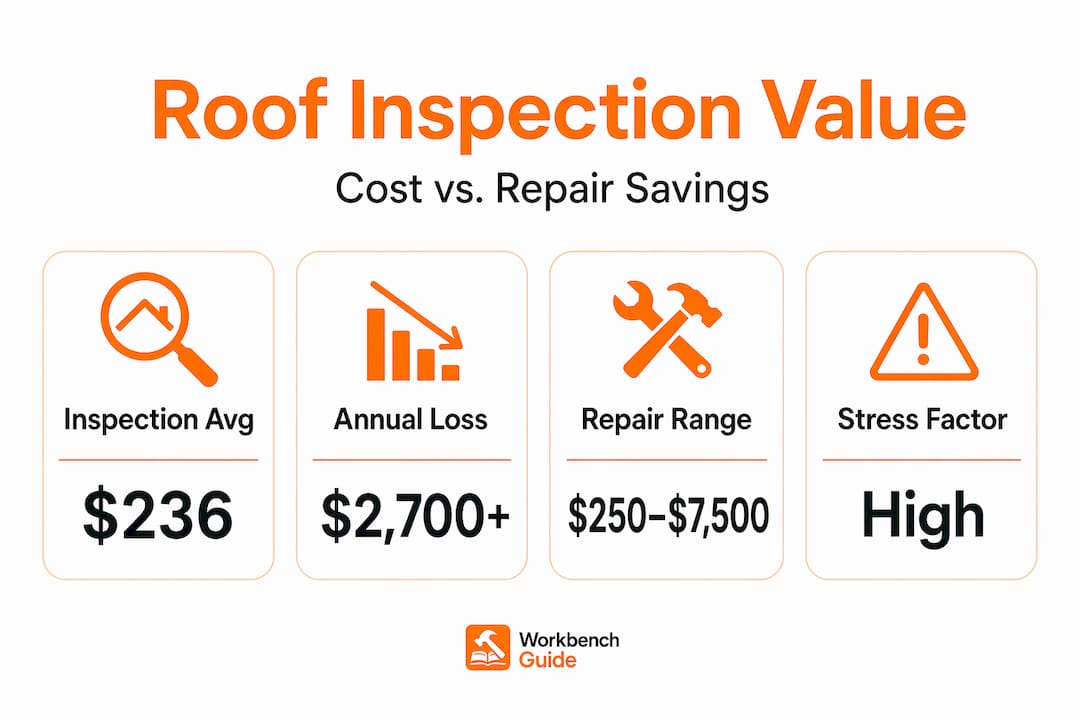
A professional roof inspection runs about $150 to $350, with a national average around $236. That’s a first-line defense investment that’s far cheaper than the alternative. Paying for routine inspections and small repairs consistently is far less expensive than emergency work or a full replacement after water intrusion takes hold.
Here’s how the numbers stack up in real-world scenarios:
| Scenario | Typical cost range |
|---|---|
| Professional roof inspection | $150 to $350 |
| Minor shingle repair (early catch) | $150 to $400 |
| Flashing repair (caught early) | $200 to $500 |
| Water damage repair (missed problem) | $2,500 to $8,000 |
| Mold remediation added to water damage | $1,500 to $5,000 |
| Full roof replacement (deferred maintenance) | $8,000 to $25,000+ |
The pattern is obvious. Two $236 inspections per year costs you under $500 annually. Compare that to a single water damage incident costing anywhere from $2,500 to over $10,000 once mold and structural repairs are factored in.
Pro Tip: Think of roof inspections the same way you think about oil changes for your car. Skipping them doesn’t seem urgent until something fails, and by then the repair cost is ten times what the maintenance would have been. A solid preventative maintenance guide helps you build inspection costs into your annual budget so they never feel like a surprise expense.
Beyond the direct repair costs, there’s also the issue of your time and stress. Emergency repairs rarely happen at convenient moments. They happen during cold snaps, rainstorms, or busy seasons when contractors are booked out and costs go up. Building a year-round maintenance checklist into your routine eliminates most of that stress because you’re always one step ahead. The same logic that applies to annual HVAC servicing applies here: consistent small investments prevent large, disruptive repair bills.
Insurance and documentation: What homeowners need to know
Finally, let’s look at how inspections tie into insurance and choosing the right inspection provider, because this side of the equation is often overlooked until a claim gets denied.
Roof inspections support insurance documentation and can make or break a claim, but homeowners need to understand that requirements vary significantly by insurer and location. Some key points worth knowing:
- Document every inspection. Keep written reports, photos, and dates on file. If a storm damages your roof and you file a claim, an insurer will want to see that the roof was in reasonable condition beforehand.
- Post-storm documentation is critical. If you have an inspection done after hail or wind damage, get a written report before any repairs begin. That report becomes evidence in your claim.
- Be cautious with “free” inspections. Contractors who offer free inspections after storms are sometimes motivated to find damage worth claiming, whether it’s there or not. That kind of report may not hold up under insurer scrutiny, and working with biased assessors can sometimes trigger claim complications.
- Hire qualified inspectors. Look for certified professionals with credentials from recognized roofing industry organizations. Their reports carry more weight with insurers and give you more reliable information to act on.
- Review your policy before filing. Some policies require documented maintenance as a condition of coverage. An insurer may reduce or deny a claim if they determine that neglected maintenance contributed to the damage.
Understanding the insurance angle turns roof inspections from a maintenance task into a financial protection strategy. A clean inspection record demonstrates responsible ownership and makes claim conversations much smoother.
Why surface-level checks aren’t enough: What most guides miss
Here’s the thing most articles about roof inspections won’t tell you directly: the methods matter just as much as the frequency.
A lot of homeowners now feel confident after watching a drone fly over their roof or scrolling through a set of aerial photos. Those tools have real value for spotting large-scale issues. But drone and visual methods have limits, and they can miss the kind of subtle defects that only show up when someone physically touches the surface, checks granule adhesion, or tests the firmness of the decking.
Here’s where the deeper lesson sits: storm damage is often invisible. Not just from the ground, but even from a drone camera. A hail impact that looks like a small scuff on a shingle has actually broken the protective granule bond, and now that spot will fail within a season or two during freeze-thaw cycles. Post-storm inspections are essential even when your roof looks completely fine, because the real damage is often structural at the shingle level, not cosmetic.
The homeowners who avoid the biggest repair bills aren’t necessarily the ones with newer roofs. They’re the ones who take inspections seriously after every weather event, even the ones that seem minor. That habit, combined with using small preventative checks across the whole home, adds up to thousands of dollars saved over time.
The takeaway is this: a ground-level visual check after a storm gives you peace of mind, but it doesn’t give you answers. Real peace of mind comes from knowing someone with trained eyes and hands actually evaluated your roof systematically. That’s the version of inspection that protects your investment.
Take the next step: Protect your home with smart maintenance

Roof inspections are only one piece of the puzzle, but they’re one of the highest-value pieces. At Workbench Guide, we’ve built tools specifically for homeowners who want to stay ahead of problems instead of reacting to them. Our maintenance checklist walks you through every seasonal task so nothing falls through the cracks, and our preventative maintenance resources help you build a sustainable home care routine that protects your property value year after year. Stop waiting for something to go wrong. Build the habit now and keep more money where it belongs.
Frequently asked questions
What are the top warning signs I should look for during roof inspections?
Check for cracked or missing shingles, damaged flashing, water stains in the attic, and any signs of mold, all of which can signal deeper problems developing beneath the surface.
Is it safe to inspect the roof myself, or should I always hire a professional?
You can do a basic visual check from the ground, but for a systematic exterior and attic evaluation, especially after severe weather, hiring a professional is safer and far more effective.
How much does a roof inspection typically cost in the United States?
The national average is around $236, with most homeowners paying between $150 and $350 depending on roof size, complexity, and location.
Does regular roof inspection help with insurance claim approval?
Yes, documented inspections build a maintenance record that supports claims, but insurance requirements vary by insurer and jurisdiction, so check your policy details before assuming coverage.
After strong storms, should I inspect even if my roof looks undamaged?
Absolutely. Post-storm inspections are specifically recommended because hail and high-wind damage is frequently non-obvious from the ground and only becomes a serious problem months later.