
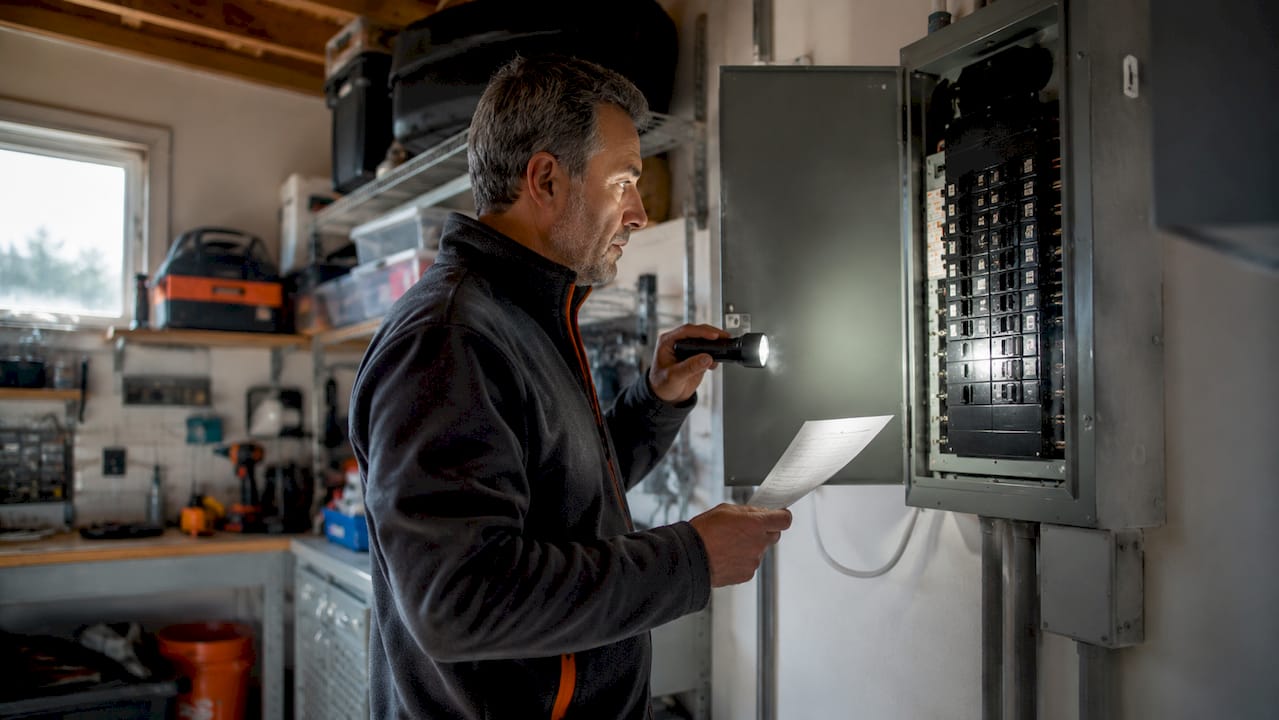
An electrical safety checklist is a structured inspection tool homeowners use to identify wiring faults, missing protective devices, and fire or shock hazards before they cause harm. Home electrical malfunctions cause over 41,000 residential fires, nearly 500 deaths, and $1.3 billion in property damage annually, with 63% of those fires starting from wiring problems. The industry term for this process is a residential electrical safety inspection, and it covers everything from your main panel to outdoor fixtures. Running through this checklist once a season takes less than an hour and can prevent the kind of damage that costs tens of thousands of dollars to repair.
1. What does an electrical safety checklist cover?
A complete home wiring safety checklist covers seven core areas: the main electrical panel, outlets and switches, wiring type and condition, protective devices, extension cords and appliances, smoke and carbon monoxide alarms, and outdoor or garage fixtures. Missing any one of these areas leaves a gap in your electrical hazard assessment. Think of it as a flight pre-check. Pilots do not skip steps because the plane “seems fine.” Neither should you.
2. Main electrical panel inspection
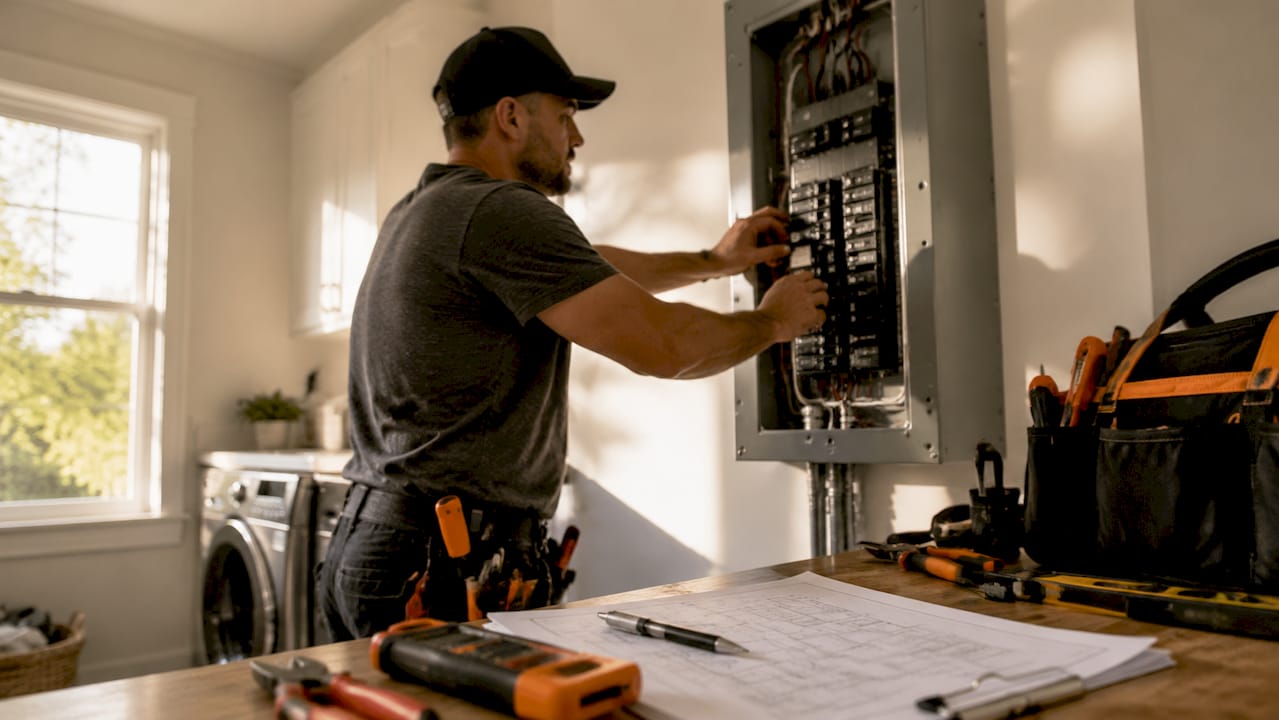
The panel is the starting point for any electrical panel check. Open the cover and look for scorch marks, rust, or moisture. Every breaker should be clearly labeled with the circuit it controls. A breaker that trips repeatedly or feels loose in its slot is a red flag, not a nuisance.
Double-tapped breakers, where two wires share one breaker slot, are a common code violation in older homes. They cause overheating and should be corrected by a licensed electrician. Check that breaker ratings match the wire gauge they protect. A 20-amp breaker on 14-gauge wire is an overload waiting to happen.
3. Outlets, switches, and wiring condition
Every outlet in your home should be grounded. A plug-in outlet tester, available at any hardware store for under $15, tells you instantly whether an outlet is wired correctly. Outlets that feel warm to the touch, buzz, or show burn marks around the face plate need professional attention before you use them again.
Wiring age matters as much as wiring condition. Homes built before 1972 may contain aluminum wiring, which expands and contracts at a different rate than copper and loosens connections over time. Knob-and-tube wiring, found in homes built before 1950, lacks a ground wire entirely and cannot safely support modern electrical loads. Cloth-insulated wiring from the same era becomes brittle and cracks, exposing bare conductors. If your home has any of these wiring types, schedule a professional inspection as part of your home safety inspection plan.
Pro Tip: Before disconnecting any device for repair, photograph the existing wiring configuration. This single step prevents miswiring mistakes that can take hours to diagnose.
4. GFCI and AFCI protective devices
Arc-Fault Circuit Interrupters (AFCIs) could prevent over 50% of residential electrical fires. That statistic alone makes AFCI protection one of the highest-value items on any home wiring safety checklist. AFCI breakers detect dangerous arcing in wiring and shut the circuit down before a fire starts.
The 2026 National Electrical Code (NEC) mandates GFCI protection for receptacles in kitchens, bathrooms, garages, outdoor areas, unfinished basements, crawl spaces, and laundry rooms. GFCI outlets trip when current imbalance exceeds 4–6 milliamps, which is enough current to cause a serious shock. If your home lacks GFCI outlets in these locations, adding them is a straightforward upgrade that a licensed electrician can complete in a single visit.
Test GFCI and AFCI devices monthly using the built-in TEST button on each device. Press TEST and confirm the outlet or breaker loses power. Press RESET and confirm power returns. A device that does not respond to this test has failed and must be replaced.
5. Extension cords and appliances
Extension cords are temporary solutions, not permanent wiring. Using one as a long-term fix for an outlet shortage is a leading cause of residential fires. Check every cord in your home for fraying, cracking, or heat damage. A cord that feels warm during normal use is carrying more current than it was rated for.
Never run extension cords under rugs or through doorways. Foot traffic damages insulation over time, and the damage is invisible until the cord arcs or catches fire. Appliances near water, such as hair dryers and countertop mixers, should be unplugged after every use. The habit takes three seconds and eliminates a real shock hazard.
6. Smoke and carbon monoxide alarms
Smoke alarms and carbon monoxide detectors should be installed on every level of your home, including inside each bedroom. Test them monthly by pressing the TEST button until the alarm sounds. Replace batteries annually, or choose 10-year sealed-battery models to reduce maintenance. Alarms older than 10 years should be replaced entirely, as the sensors degrade over time.
Carbon monoxide detectors belong within 15 feet of every sleeping area. CO is odorless and colorless, and a malfunctioning gas appliance or attached garage can push dangerous levels into living spaces within minutes. This is not an optional checklist item.
7. How to perform tests during an electrical safety inspection
Safe testing starts with confirming power is off. Use a non-contact voltage tester and verify it works on a known live source before trusting it on the circuit you plan to work on. This step is non-negotiable. A tester with a dead battery gives a false “safe” reading.
| Task | Frequency | Who performs it |
|---|---|---|
| GFCI/AFCI button test | Monthly | Homeowner |
| Smoke and CO alarm test | Monthly | Homeowner |
| Outlet tester check | Annually | Homeowner |
| Panel visual inspection | Annually | Homeowner |
| Full professional inspection | Every 3–10 years (by home age) | Licensed electrician |
Homes over 40 years old benefit from professional inspection every 3 years. Homes between 10 and 40 years old should schedule one every 5 years. Newer homes need a professional review every 10 years, and any remodel or major appliance upgrade should trigger an inspection regardless of schedule.
Pro Tip: Align your monthly GFCI test with Daylight Saving Time clock changes. Two tests per year become automatic when they are tied to a habit you already have.
8. Warning signs that require immediate professional attention
Some findings during a residential electrical safety inspection mean you stop work and call a licensed electrician. No exceptions.
- Burning or ozone-like odors near outlets, switches, or the panel indicate active arcing or overheating.
- Frequent breaker trips or breakers that will not reset signal an overloaded or faulted circuit.
- Warm or hot outlets and switches point to loose connections or overloaded wiring behind the wall.
- Buzzing or sizzling sounds from any electrical device or fixture are signs of arcing.
- Mixed aluminum and copper wiring at connections causes corrosion and loose joints over time.
- Brittle or cracked insulation on any visible wire means the conductor is exposed.
- Sparks or tingling sensations when touching appliances or outlets indicate a ground fault.
- Damaged electrical boxes or exposed conductors are immediate shock and fire hazards.
Replacing a buzzing outlet without diagnosing the cause only covers the symptom. Buzzing outlets indicate possible arcing, and without proper diagnosis, the underlying fault continues to build heat inside the wall. The fire risk does not go away because the outlet looks new.
The most important DIY electrical safety principle is knowing when to stop. Burning smells, repeated breaker trips, and mixed wire types are the three clearest signals that a licensed electrician needs to take over.
9. Electrical safety in kitchens, bathrooms, and outdoor spaces
Wet locations require GFCI protection by NEC code, and the 2026 update expanded that requirement to include laundry rooms and crawl spaces. The logic is straightforward: water and electricity share the same path through your body. GFCI protection breaks that path in milliseconds.
- Kitchen: Install GFCI outlets on all countertop circuits within 6 feet of a sink. Keep appliances away from the sink edge and unplug small appliances after use.
- Bathrooms: Every bathroom outlet must be GFCI protected. Never use a non-GFCI outlet in a bathroom, even temporarily.
- Garage and basement: GFCI protection is required for all outlets. Use weatherproof covers on any outlet that could be exposed to moisture or cleaning spray.
- Outdoor spaces: All outdoor outlets must be GFCI protected and covered with weatherproof “in-use” covers that protect the outlet even when a cord is plugged in.
- Laundry rooms: GFCI protection is now required under the 2026 NEC. Washing machines and dryers near water lines create real shock risk without it.
A useful addition to any property maintenance checklist is a seasonal walk-through of all outdoor fixtures. Check for cracked covers, corroded outlets, and any fixture that is not rated for outdoor use. Interior-rated fixtures deteriorate quickly when exposed to rain and temperature swings.
Key takeaways
A complete electrical safety inspection covers panels, outlets, wiring type, GFCI and AFCI devices, alarms, and wet-area protection, with monthly testing and professional inspections on a schedule based on home age.
| Point | Details |
|---|---|
| AFCI protection prevents fires | AFCIs could stop over 50% of residential electrical fires; install them in all living areas. |
| GFCI testing must be monthly | Press the TEST button on every GFCI outlet and breaker monthly to confirm it trips and resets. |
| Home age drives inspection frequency | Homes over 40 years old need a professional electrical inspection every 3 years. |
| Stop DIY when warning signs appear | Burning smells, buzzing outlets, and repeated breaker trips require a licensed electrician, not a DIY fix. |
| Wet areas need NEC-compliant GFCI | Kitchens, bathrooms, garages, laundry rooms, and outdoor outlets all require GFCI protection under 2026 NEC. |
What I’ve learned from years of watching homeowners skip this checklist
Most homeowners treat electrical safety like smoke detector batteries: they know it matters, but they do it only after something goes wrong. I’ve seen that pattern cost people far more than a professional inspection ever would.
The detail that surprises most people is the ceiling fan box issue. Standard ceiling light boxes are not rated to support the weight and motion of a ceiling fan. A fan-rated box is required, and skipping that upgrade is how fans end up on floors. It is a small thing that the checklist catches before it becomes an emergency.
My honest advice: do not wait for a remodel to think about your wiring. Walk your panel, test your GFCI outlets, and look at your smoke alarms this weekend. The whole process takes under an hour. If you find anything on the warning signs list, call a licensed electrician before you touch it. The circuit breaker guide on Workbenchguide is a solid starting point for understanding what you are looking at inside the panel. Compliance with the 2026 NEC standards is not bureaucratic overhead. It reflects what decades of fire investigation data show actually keeps people safe.
— Sean
Workbenchguide makes electrical safety part of your routine
Electrical safety does not have to be a once-a-decade scramble before a home sale. Workbenchguide gives homeowners a structured way to track inspections, set monthly reminders for GFCI testing, and follow step-by-step guides for safe DIY work. The home maintenance checklist on Workbenchguide integrates electrical tasks with your full seasonal maintenance schedule, so nothing falls through the cracks. You get reminders when tests are due, guides when you need to know what you are looking at, and contractor connections when the job calls for a licensed pro. Proactive care costs a fraction of reactive repair.
FAQ
What is an electrical safety checklist?
An electrical safety checklist is a structured list of inspection tasks homeowners use to identify wiring faults, missing protective devices, and fire or shock hazards in their home’s electrical system.
How often should I test GFCI outlets?
Test GFCI outlets monthly using the built-in TEST button. Aligning tests with Daylight Saving Time clock changes makes the habit easier to maintain.
When should I call an electrician instead of doing it myself?
Call a licensed electrician when you detect burning smells, hear buzzing from outlets or switches, experience repeated breaker trips, or find mixed aluminum and copper wiring. These signs indicate hazards that require professional diagnostic tools.
What does the 2026 NEC require for GFCI protection?
The 2026 National Electrical Code requires GFCI protection for receptacles in kitchens, bathrooms, garages, outdoor areas, unfinished basements, crawl spaces, and laundry rooms to prevent shock hazards.
How often do homes need a professional electrical inspection?
Homes over 40 years old need a professional inspection every 3 years. Homes between 10 and 40 years old need one every 5 years, and newer homes every 10 years. Any remodel or major appliance upgrade should also trigger an inspection.
Leave a Reply