

Regular HVAC servicing is defined as scheduled professional maintenance of your heating, ventilation, and air conditioning system, typically performed twice a year. The benefits of regular HVAC servicing include 15–25% better efficiency, up to $800 in annual energy savings, and a system lifespan that stretches to 15–20 years instead of burning out at 8–12. The U.S. Department of Energy and ASHRAE both identify routine maintenance as the single most effective way to cut home energy costs. This article breaks down every major advantage, with real numbers, so you know exactly what you gain and what you risk skipping.
1. How does regular HVAC servicing improve system efficiency?
A properly maintained HVAC system operates 15–25% more efficiently than a neglected one. That gap widens every year you skip service, because dirty components force the system to work harder for the same output.
The main culprits are dirty filters, fouled evaporator coils, and clogged condensate drains. Each one restricts airflow or heat transfer, which means the compressor and blower motor run longer to hit your thermostat setting. Dirty filters and coils are a simple but costly problem. Neglected systems lose 5–15% efficiency annually, which translates to $300–$800 in unnecessary energy spending depending on your climate.
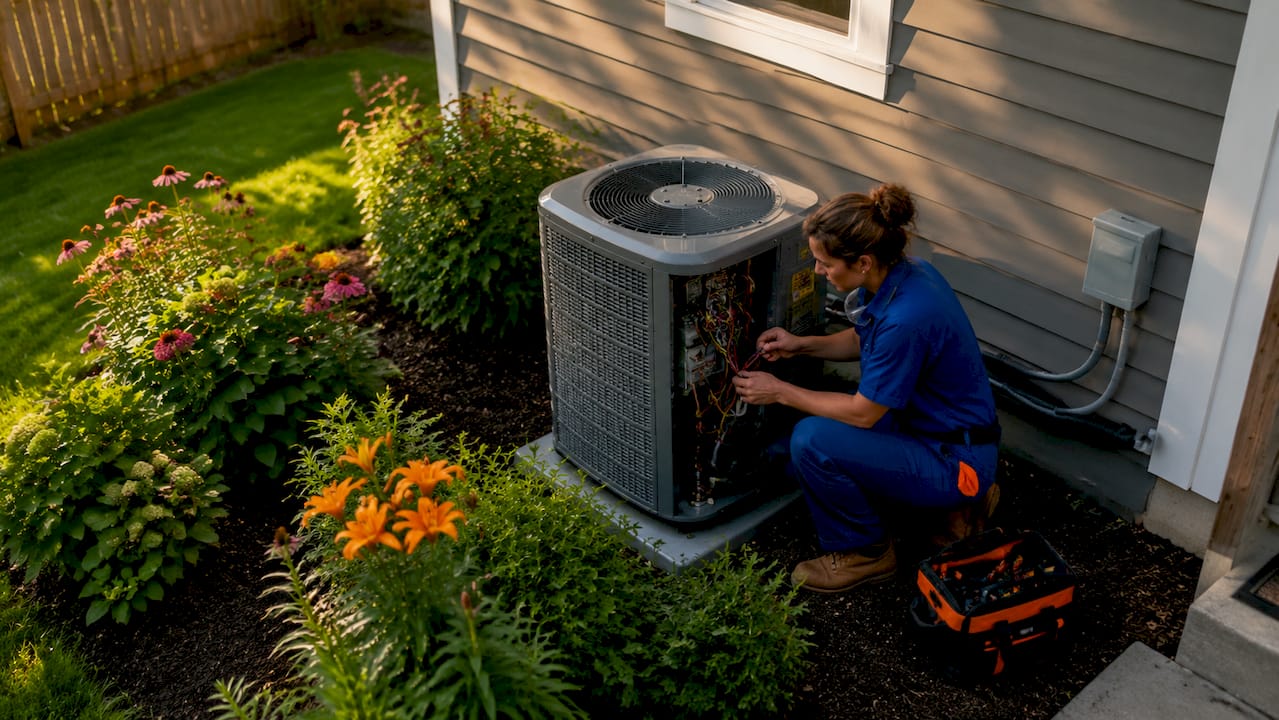
A professional tune-up covers coil cleaning, refrigerant level checks, electrical connection tightening, and blower calibration. These are not DIY tasks. Filter replacement, however, is something you can and should handle yourself every 1–3 months.
Pro Tip: Set a phone reminder to check your filter on the first day of every month. A $10 filter swap is the cheapest efficiency upgrade you can make.
ASHRAE 180 identifies professional HVAC maintenance as a key strategy for reducing energy consumption in buildings. Homes follow the same physics. A clean, calibrated system uses less electricity and gas to deliver the same comfort level.
2. In what ways does servicing prevent costly repairs and emergency breakdowns?
Preventive maintenance reduces unexpected breakdown risk by up to 70%. That number matters most on the hottest day in july or the coldest night in january, when HVAC companies are fully booked and emergency rates apply.
The most common failures that routine service catches early include:
- Weak capacitors. A failing capacitor strains the compressor. Replacing a capacitor costs $150–$300. Replacing a compressor costs $1,500–$2,500.
- Dirty flame sensors. A coated flame sensor causes furnace lockouts. A technician cleans it in minutes. Ignoring it leads to heat exchanger stress and cracked components.
- Refrigerant leaks. A slow leak reduces cooling capacity and causes the compressor to overheat. Caught early, a leak repair is a few hundred dollars. Left alone, it destroys the compressor.
- Clogged condensate drains. Blocked drains cause water damage to ceilings, walls, and the air handler itself.
85% of HVAC repairs are linked to lack of proper maintenance. Emergency repairs cost 3–5 times more than a standard maintenance visit. A routine service call runs $150–$250. An emergency compressor replacement on a weekend runs into the thousands.
Pro Tip: Ask your technician to show you any part they recommend replacing. A reputable technician will explain the failure mode clearly. If the explanation does not make sense, get a second opinion before approving the repair.
Choosing a reputable service provider who documents all work performed protects you from upsells and gives you a paper trail for warranty claims.
3. How does regular servicing extend the lifespan of HVAC equipment?
Well-maintained HVAC systems last 15–20 years. Neglected systems often fail in 8–12 years. That gap represents one full replacement cycle, which costs $5,000–$12,000 for a central system.
The mechanism is straightforward. Small problems create cascading failures. A dirty blower wheel makes the motor work harder. An overworked motor runs hotter. Heat degrades capacitors and contactors. Failed contactors cycle the compressor on and off incorrectly. The compressor fails prematurely. Each step in that chain was preventable with a $200 annual tune-up.
Key habits that extend equipment life include:
- Scheduling in shoulder seasons. Spring and fall tune-ups avoid peak season waitlists and let technicians find problems before you need the system at full capacity.
- Keeping the outdoor unit clear. Two feet of clearance around the condenser coil maintains proper airflow and prevents overheating.
- Replacing filters on schedule. A clogged filter is the leading cause of frozen evaporator coils, which stress the compressor every time it happens.
- Documenting every service visit. A complete service history helps technicians spot trends and helps you negotiate when selling your home.
“Maintenance can add 5–10 years to system life, significantly reducing replacement costs.” — HVAC Service Guide 2026
The financial case is clear. Spending $400–$500 per year on two professional tune-ups costs far less than replacing a system five years early. Think of it as paying a small annual premium to avoid a large, unplanned expense.
4. What additional advantages do homeowners gain from regular HVAC servicing?
Efficiency, repair prevention, and lifespan are the headline benefits. But regular HVAC maintenance also delivers four advantages that homeowners often overlook until something goes wrong.
Indoor air quality. Regular servicing improves indoor air quality by up to 40% by reducing dust, allergens, and mold in the system. Clean coils and drain pans prevent mold growth. Clean filters trap pollen, pet dander, and fine particles. If anyone in your home has asthma or allergies, this benefit alone justifies the cost.
Safety. A furnace inspection includes checking the heat exchanger for cracks. A cracked heat exchanger leaks carbon monoxide into your living space. Technicians also test for gas leaks and verify that the flue is clear. These checks are not optional. Carbon monoxide is odorless and lethal.
Warranty protection. Manufacturers void warranties without documented annual professional service. A failed compressor can cost thousands out of pocket if you cannot prove the system was maintained. Keep every service invoice in a folder or photograph it for digital storage.
Consistent comfort. A calibrated system holds your set temperature without wide swings. Homeowners with serviced systems report fewer hot and cold spots, better humidity control, and quieter operation. These are not minor perks. They are the difference between a home that feels right and one that constantly frustrates you.
Servicing frequency follows a simple rule: twice per year. Schedule the AC tune-up in spring and the furnace inspection in fall. This timing aligns with HVAC servicing recommendations from most industry professionals and gives you maximum protection heading into peak seasons.
Key takeaways
Regular HVAC servicing is the most cost-effective action a homeowner can take to protect equipment, reduce energy bills, and prevent expensive emergency repairs.
| Point | Details |
|---|---|
| Efficiency gains are measurable | Maintained systems run 15–25% more efficiently, saving up to $800 per year in energy costs. |
| Breakdowns drop sharply | Preventive maintenance cuts unexpected breakdown risk by up to 70%, avoiding costly emergency calls. |
| Equipment lasts longer | Serviced systems reach 15–20 years; neglected ones fail in 8–12 years, forcing early replacement. |
| Warranties require documentation | Manufacturers void coverage without annual service records, leaving major repairs fully out of pocket. |
| Twice-yearly scheduling is the standard | A spring AC tune-up and fall furnace inspection cover both peak seasons and catch issues early. |
Why I stopped treating HVAC service as optional
Most homeowners skip HVAC service for the same reason they skip the dentist. Nothing hurts right now, so why spend the money? I held that view until I watched a neighbor replace a five-year-old system because a $15 capacitor failed, went unnoticed, and destroyed the compressor over two summers.
The math changed my thinking permanently. A $200 tune-up twice a year is $400. A compressor replacement is $2,000. A full system replacement is $8,000. You are not paying for maintenance. You are paying for insurance against a low-probability, high-cost event that becomes a high-probability event the longer you wait.
The other mistake I see constantly is homeowners choosing the cheapest technician and then wondering why they keep getting repair recommendations. Choose a licensed contractor who provides a written report after every visit. That report is your warranty protection, your service history, and your early warning system. Schedule in september or april, not july or december, when every HVAC company in your area is slammed and you have no leverage on timing or price.
Keep a simple folder, physical or digital, with every invoice. When you sell your home, a documented service history adds real value. Buyers notice. Inspectors notice. It signals that the house was cared for.
— Sean
Workbenchguide keeps your HVAC service on schedule
Staying on top of HVAC maintenance is easier when you have a system for it. Workbenchguide gives homeowners a home maintenance checklist that includes HVAC service reminders, filter change schedules, and seasonal task tracking. You can log every service visit directly in the platform, which protects your warranty documentation and keeps your service history organized. Workbenchguide also offers step-by-step DIY maintenance guides for tasks you can handle yourself, plus contractor guidance when you need a professional. It is the practical tool that turns good intentions into a consistent routine.
FAQ
How often should HVAC be serviced?
HVAC systems should be serviced twice per year. Schedule an AC tune-up in spring and a furnace inspection in fall to cover both peak seasons.
What does a standard HVAC tune-up include?
A standard tune-up covers coil cleaning, filter inspection, refrigerant level checks, electrical connection tightening, blower calibration, and a safety check of the heat exchanger and flue.
Does regular HVAC maintenance actually save money?
Yes. Maintained systems run 15–25% more efficiently and can save $300–$800 per year in energy costs, while avoiding emergency repair bills that run 3–5 times the cost of a routine visit.
Will skipping service void my HVAC warranty?
Most manufacturers require documented annual service to honor warranty claims. Without service records, a failed compressor or heat exchanger becomes a full out-of-pocket expense.
What is the best time of year to schedule HVAC service?
Spring and fall are the best times. Shoulder season scheduling avoids peak demand waitlists, gives you priority booking, and lets technicians catch problems before you need the system at full capacity.