
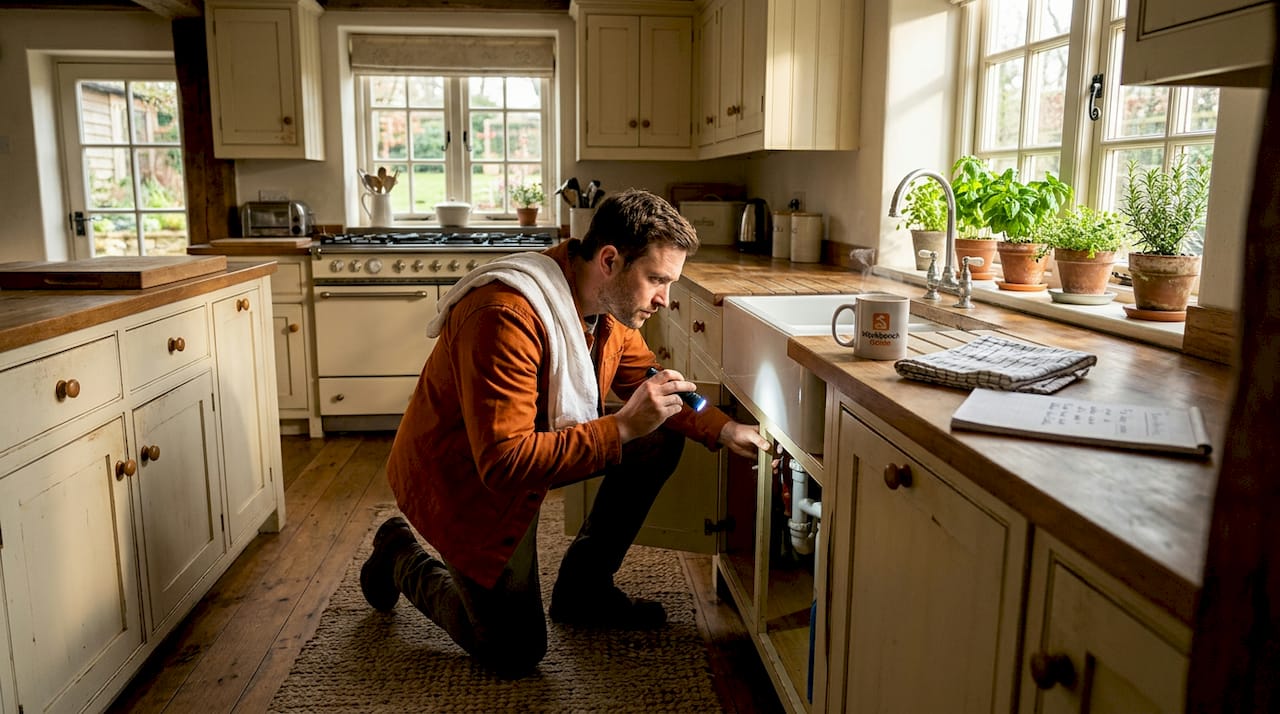
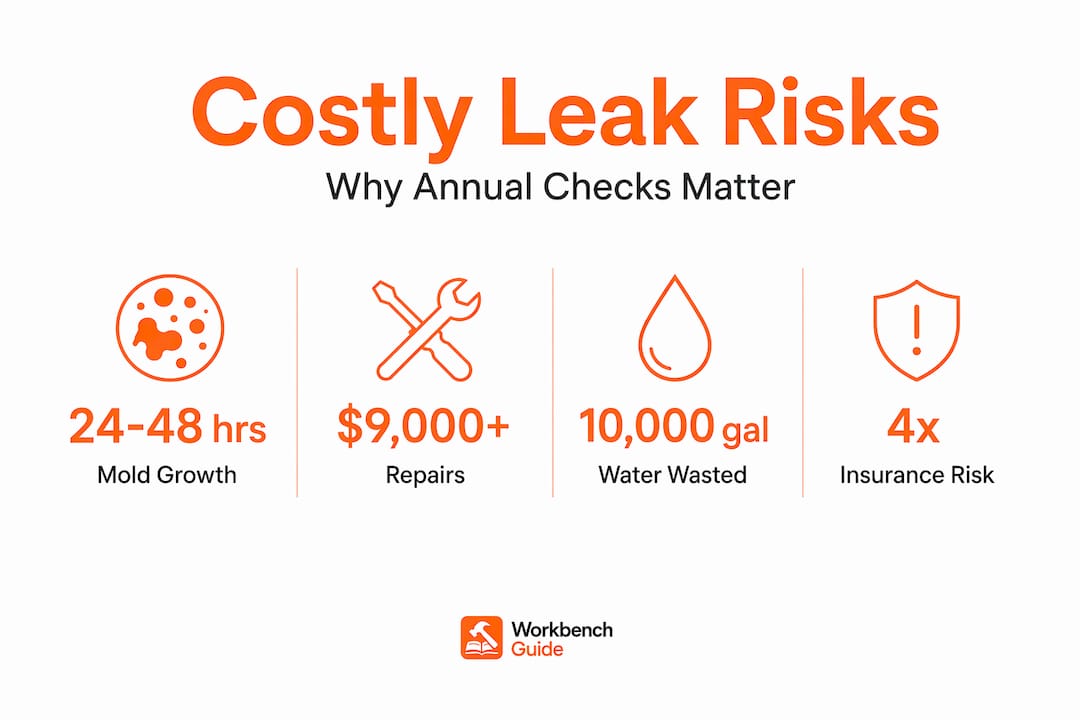
Most homeowners only think about plumbing when something goes wrong. A burst pipe, a flooded bathroom, a water bill that doubles overnight. But by then, the damage is already done. The real case for why check plumbing yearly isn’t about reacting to emergencies. It’s about preventing them entirely. Average household leaks waste nearly 10,000 gallons of water every year, much of it from hidden drips you’d never notice on a walk-through. A single annual inspection changes that math completely.
Table of Contents
- Key takeaways
- Why check plumbing yearly: the hidden leak problem
- Cost savings and efficiency benefits
- How home age and conditions change your inspection needs
- Seasonal timing and winterizing your plumbing
- My honest take on yearly plumbing checks
- Build your annual plumbing check into a full home plan
- FAQ
Key takeaways
| Point | Details |
|---|---|
| Hidden leaks cause major damage | Slow leaks behind walls and under floors go undetected for months, leading to mold and structural repairs. |
| Annual checks save real money | One avoided emergency call can cover several years of scheduled maintenance costs. |
| Older homes need yearly attention | Homes over 30 years old should be inspected annually due to aging pipes and outdated materials. |
| Timing your inspection matters | Scheduling before winter protects against burst pipes and frozen lines during peak demand. |
| Documentation adds home value | A history of professional plumbing maintenance supports insurance claims and boosts resale negotiations. |
Why check plumbing yearly: the hidden leak problem
The most expensive plumbing failures rarely announce themselves. They build quietly behind drywall, under concrete slabs, and inside cabinet walls until the damage forces your hand. Most catastrophic water damage comes from silent, slow-developing issues rather than sudden breaks.
Here are the common leak locations homeowners consistently miss:
- Behind walls and ceilings where supply lines run to bathrooms and kitchens
- Under sinks at shutoff valve connections and drain fittings
- Toilet tanks and flappers that allow constant silent overflow into the bowl
- Water heater connections at the inlet and outlet lines
- Outdoor hose bibs left slightly open through winter
A professional inspection catches these problems using tools you simply don’t have at home. Pressure gauges and sewer cameras can detect water hammer, root intrusion in sewer lines, and pipe corrosion before any visible signs appear. A camera run through your main sewer line, for example, can spot tree roots creeping in through joints years before a full blockage develops.
The consequences of missing these issues are not minor. Undetected moisture inside walls creates mold within 24 to 48 hours of exposure. Structural wood begins to rot. Drywall buckles. By the time you notice a soft spot in your floor or a stain on your ceiling, you are already looking at remediation costs that can reach tens of thousands of dollars.
Pro Tip: Watch for these early warning signs between annual inspections: discolored water from any faucet, a musty smell near walls or under cabinets, unexplained spikes in your water bill, or the sound of running water when everything is shut off.
Cost savings and efficiency benefits
The financial argument for yearly plumbing checks is straightforward once you do the math. One avoided emergency call can pay for multiple years of scheduled maintenance. Emergency plumber rates, especially nights and weekends, can run two to three times the normal service fee. Add water damage remediation on top of that, and a single neglected drip becomes a five-figure problem.
The efficiency benefits go beyond just stopping leaks. Here is what a thorough annual inspection addresses:
- Water pressure regulation to prevent stress on pipe joints and fixtures that causes premature wear
- Sediment flushing in the water heater to restore heating efficiency and reduce energy bills
- Anode rod inspection to extend tank life and prevent corrosion from shortening your water heater’s lifespan
- Drain cleaning to remove buildup before it becomes a full blockage requiring hydro jetting
- Fixture testing to identify faucets and valves that are wearing out before they fail completely
The water heater point deserves specific attention. Anode rods, pressure relief valves, and sediment buildup all affect water heater lifespan and efficiency. A tank full of sediment works harder to heat water, uses more energy, and fails sooner. A $150 annual maintenance visit can add years to a $1,000+ appliance.
There is also an environmental dimension worth noting. Fixing household leaks at the national scale could save nearly 1 trillion gallons of water annually. At the household level, correcting a dripping faucet that wastes over 3,000 gallons per year is both good for your wallet and genuinely meaningful for water conservation.
Keeping up with preventative maintenance is not about paranoia. It is about protecting the investment you have already made in your home.
How home age and conditions change your inspection needs
Not every home requires the same inspection schedule. The variables that matter most are age, pipe material, tree coverage, and local climate.
| Home condition | Recommended inspection frequency |
|---|---|
| Newer home, under 15 years old | Every 2 years if no issues present |
| Home 15 to 30 years old | Every 1 to 2 years |
| Home over 30 years old | Annually without exception |
| Galvanized or mixed piping | Annually, possibly more |
| Large trees near sewer lines | Annually with camera inspection |
| High mineral content water area | Annually to check scale buildup |
Industry standards recommend annual inspections for any building over 30 years old. Homes built before 1990 often have galvanized steel pipes that corrode from the inside out, restricting flow and eventually failing. Mixed piping systems, where older galvanized lines were partially replaced with copper, create a corrosion reaction at the joints that accelerates deterioration.
Trees are an underappreciated risk factor. A mature oak or willow with roots extending 20 feet out from its trunk can invade clay sewer lines through even hairline cracks. You will not know it is happening until sewage backs up into your basement. An annual camera inspection of the main sewer line is inexpensive compared to that alternative.
Local climate adds another layer. Homes in freeze-prone regions face pipe stress every winter. Areas with hard water accumulate mineral scale that gradually reduces water heater efficiency and clogs fixtures. Your specific conditions should inform how aggressively you schedule regular home inspections and what you ask the plumber to focus on.
Seasonal timing and winterizing your plumbing
When you schedule your annual inspection is almost as important as scheduling it at all. Inspections timed before seasonal stress significantly reduce emergency plumbing failures. Two windows stand out: before the first hard freeze, and before major holidays when you have a house full of guests putting heavy demand on your fixtures.
A pre-winter inspection typically covers:
- Outdoor hose bib shutoffs and any exposed pipe runs in unheated spaces like garages and crawl spaces
- Water heater performance before the unit is asked to work harder in cold weather
- Pipe insulation gaps in exterior walls and basements that leave lines vulnerable to freezing
- Sump pump function before spring thaw and heavy rains arrive
- Pressure and flow testing to identify any slowdowns that suggest buildup or partial blockage
Burst pipes are the nightmare scenario every homeowner in a cold climate fears. A single burst pipe can release hundreds of gallons before you even realize what happened. Pre-winter plumbing inspections exist specifically to catch the vulnerabilities that lead to that outcome: uninsulated spans, slow-closing shutoffs, and pipes running along exterior walls that were fine last spring but have developed small cracks over summer.
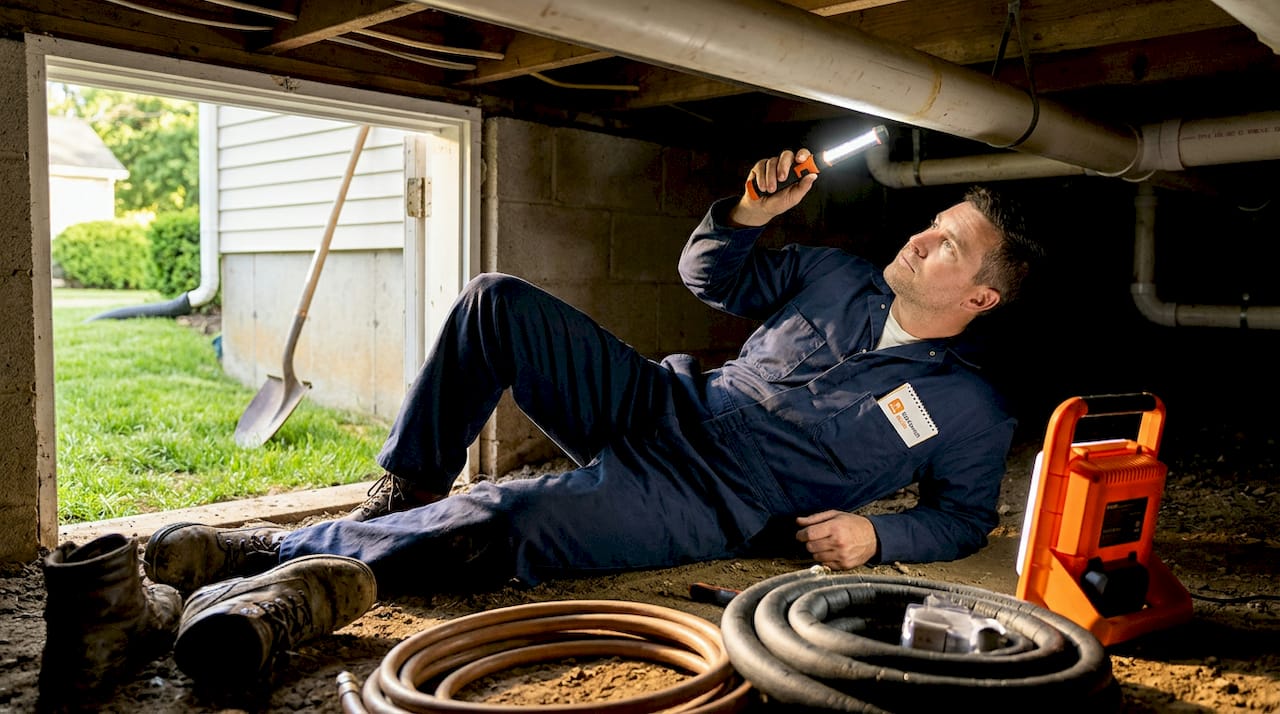
Pro Tip: If your home has a crawl space, ask your plumber to inspect it specifically during the annual visit. Crawl spaces trap moisture, host pests that chew insulation, and often contain the oldest sections of pipe in the house. Issues there tend to go unnoticed the longest.
The holiday timing angle is one most homeowners have never considered. Thanksgiving and Christmas both put extraordinary demand on kitchen drains, toilets, and water heaters. Getting an inspection and drain cleaning done in October or early November means your system is ready for that load rather than buckling under it.
For a practical winterizing checklist, Workbenchguide’s guide on winterizing your home walks through every step worth doing before temperatures drop.
My honest take on yearly plumbing checks
I have seen homeowners put off plumbing inspections for years with the same reasoning: nothing seems wrong, so why spend the money? I get it. It feels like paying for a problem you don’t have.
But here is what I have learned from watching that logic play out. Plumbing systems fail gradually, not all at once. The leak that floods your basement in February started as a pinhole drip the previous spring. The water heater that dies two days before your holiday guests arrive had been accumulating sediment for six years. The mold remediation project that cost $18,000 began with a toilet supply line that dripped behind the vanity for eighteen months.
Annual inspections are like a health checkup for your home’s plumbing. Nobody skips a checkup because they feel fine and considers that smart. The whole point is catching what you cannot feel yet.
What I would push back on is the idea that a yearly inspection is just routine maintenance. It is documentation, too. A detailed professional plumbing report gives you leverage in insurance claims and in resale negotiations. A buyer’s inspector who finds a problem has more power than one who finds a clean record of annual professional maintenance. That paper trail has real dollar value.
The mindset shift I encourage is treating your plumbing system the same way you treat your car. You change the oil before the engine seizes. You check your plumbing before the pipe bursts.
— Sean
Build your annual plumbing check into a full home plan
A yearly plumbing check is most effective when it is part of a bigger picture. Plumbing does not exist in isolation. Your water heater connects to your energy bills. Your drains connect to your foundation health. Your pipes connect to your home’s structural integrity.
Workbenchguide makes it straightforward to build this kind of thinking into your regular routine. The annual home maintenance checklist covers every system in your home with clear timelines, including your plumbing, HVAC, roof, and more. It tells you what to check, when to check it, and when to call a professional instead of attempting it yourself.
If you want to go deeper on the financial case, the preventative maintenance guide breaks down exactly how proactive upkeep saves money across every home system over time. Readers who start there usually come away with a completely different view of what home maintenance actually costs compared to what reactive repairs cost.
Use these resources to build a schedule that fits your home’s age, your climate, and your budget. The goal is not perfection. It is consistency.
FAQ
How often should you get a plumbing inspection?
Most homes benefit from an annual inspection. Homes over 30 years old should be inspected every year, while newer homes with no known issues can stretch to every two years.
What does a plumber check during an annual inspection?
A plumber checks for leaks, water pressure, drain flow, water heater condition, and pipe integrity. Professional inspections often include pressure testing and sewer camera work to catch issues invisible to a basic walkthrough.
Can annual plumbing checks lower my water bill?
Yes. Fixing leaks identified during an inspection directly reduces water usage. Households that repair leaks promptly can save thousands of gallons per year, which shows up immediately on your bill.
When is the best time of year to schedule a plumbing inspection?
Schedule your inspection before winter arrives or before major holidays. Pre-winter timing allows you to address vulnerabilities like uninsulated pipes and failing shutoffs before freezing temperatures stress your system.
Does a plumbing maintenance history help when selling your home?
It does. Documented maintenance records can improve resale negotiations and support insurance claims by showing the system has been professionally maintained, reducing buyer concerns about hidden problems.