
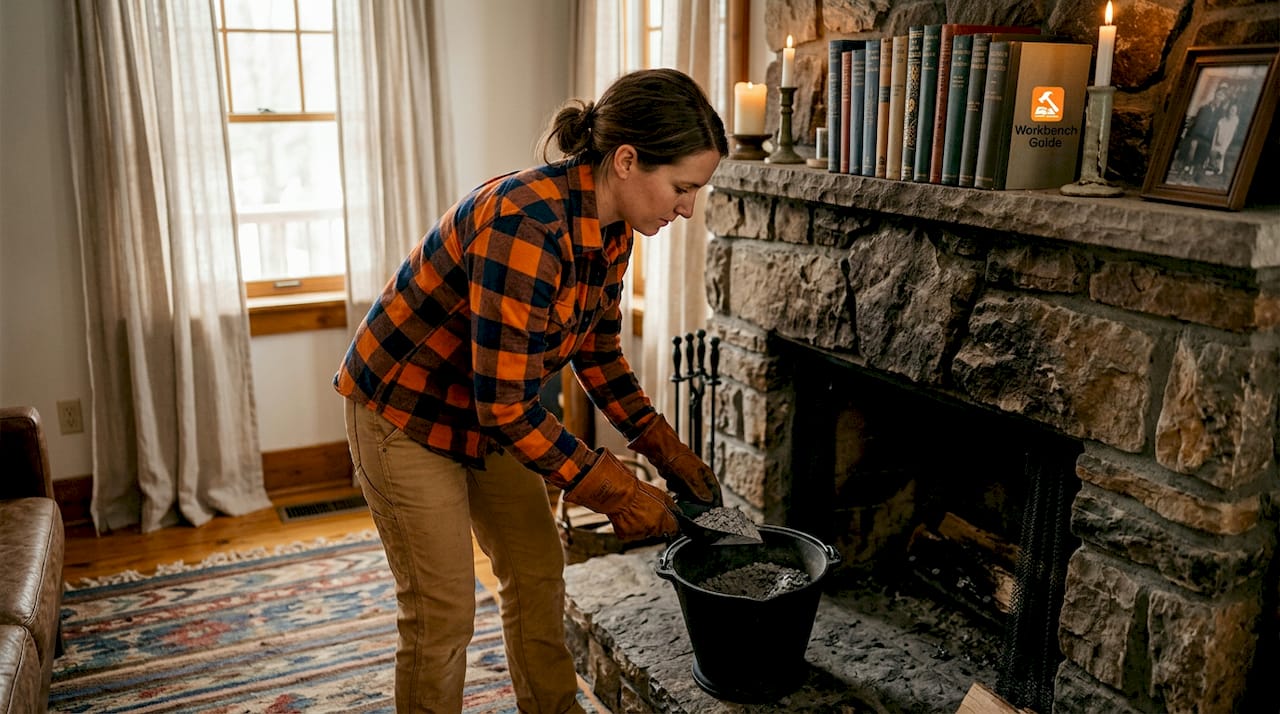
Most homeowners never think about their chimney until something goes wrong. That instinct is expensive. 75% of home heating fires trace back to chimney fires caused by creosote buildup, a combustible residue that forms every time you burn wood. Understanding why maintain chimney is not optional knowledge for a safety-conscious homeowner. It is the foundation of keeping your family safe, your heating system efficient, and your house structurally sound for decades.
Table of Contents
- Key takeaways
- Why maintain chimney: the fire hazard reality
- Carbon monoxide and ventilation risks
- Structural damage from chimney neglect
- How chimney cleanliness improves heating efficiency
- My take on chimney maintenance
- Keep your chimney safe with Workbenchguide
- FAQ
Key takeaways
| Point | Details |
|---|---|
| Fire risk is real | Creosote buildup causes the majority of home heating fires and must be cleared annually. |
| Carbon monoxide is invisible | Blocked chimneys trap CO gas indoors, making ventilation checks life-saving, not optional. |
| Moisture destroys masonry | Water and acidic soot compounds accelerate structural decay if not addressed each year. |
| Clean chimneys save money | Proper airflow improves combustion efficiency, reducing fuel waste and heating costs. |
| Proactive care beats reactive repairs | Annual inspections catch small cracks and blockages before they turn into four-figure repair bills. |
Why maintain chimney: the fire hazard reality
Creosote is the core threat. Every fire you burn deposits a layer of it on the inside of your flue. It starts as a light, flaky residue. Left unaddressed, it hardens into a thick, tar-like coating that is extremely flammable. Creosote ignition can crack flue tiles and compromise the entire chimney structure before you notice a single warning sign from inside the house.
Debris compounds the problem. Birds, squirrels, and raccoons treat an uncapped chimney as an ideal nesting site, especially during spring and fall. Leaves, twigs, and nesting material pile up inside the flue, creating a second layer of combustible material directly in the path of rising heat.
Here is what makes a neglected chimney particularly dangerous:
- Creosote is self-reinforcing. A thin layer restricts airflow, which lowers burn temperature, which produces more creosote.
- Fires burn hotter than you expect. A chimney fire can reach temperatures above 2,000 degrees Fahrenheit, far beyond what most flue liners are built to handle.
- Damage is often invisible. Cracks in the liner are hidden from view, meaning a compromised chimney can look completely normal from the outside.
- Dormant chimneys are not safe chimneys. If you have not used your fireplace in a season or two, animals may have already moved in.
Pro Tip: Schedule your chimney cleaning in late summer or early fall, before your first fire of the season. You avoid the rush, and you know the flue is clear before temperatures drop.
“A clean chimney is not a luxury. It is the single most effective thing a homeowner can do to prevent a house fire caused by their heating system.” — Chimney Safety Institute guidance, echoed by professional sweeps across the country.
Professional cleaning matters because specialized tools and camera inspections catch hidden damage that no homeowner can spot from a flashlight check. This is not a job where good enough is actually good enough.
Carbon monoxide and ventilation risks
Carbon monoxide poisoning is the risk most homeowners underestimate with chimneys. CO is colorless, odorless, and fast-acting. A blocked or damaged chimney does not just create a fire hazard. It can redirect combustion gases back into your living space, with potentially fatal results.
Annual maintenance is the only reliable way to stop carbon monoxide risks before they develop. Here is how blockages lead to poisoning and what you should watch for:
- Partial blockages are the most dangerous type. A full blockage often produces visible smoke that alerts you immediately. A partial blockage allows CO to seep through gradually while combustion appears normal.
- Symptoms of CO exposure include headache, dizziness, nausea, and confusion. These are frequently mistaken for the flu, especially in winter when windows are closed.
- Nesting material is a common culprit. A bird or squirrel nest can block enough of the flue to disrupt safe venting without shutting airflow entirely.
- Older masonry chimneys carry extra risk. Flue liner integrity in older homes is often compromised in ways that are invisible without professional inspection, even if the chimney appears clean.
A chimney safety inspection addresses all of these issues by confirming the flue is clear, the liner is intact, and combustion gases have a clean path out of your home. Pair that with a working carbon monoxide detector on every floor of your home. The detector is your backup. The inspection is your primary defense.
Structural damage from chimney neglect
A chimney looks like a permanent fixture. It is actually one of the most vulnerable parts of your home’s exterior because it faces moisture, freeze-thaw cycles, acidic byproducts, and extreme heat simultaneously. Neglect accelerates deterioration faster than most homeowners expect.
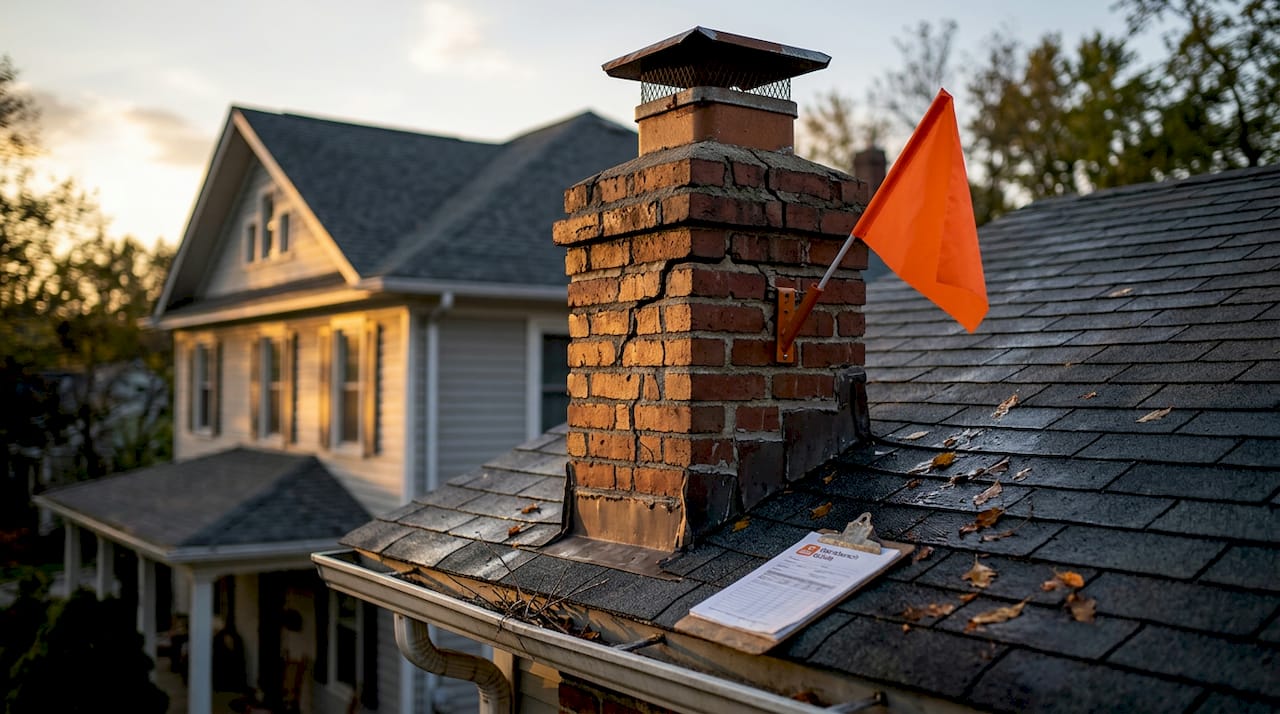
Soot combined with moisture creates acidic compounds that eat through mortar and liner materials year over year. Once mortar begins to fail, water gets inside the masonry. In cold climates, that water freezes and expands, widening cracks and loosening bricks with every winter cycle.
| Maintenance approach | Typical outcome at 10 years |
|---|---|
| Annual cleaning and inspection | Minor touch-ups, full structural integrity maintained |
| Every 3 to 5 years | Moderate mortar repair, possible liner damage |
| No maintenance | Major structural repair or full rebuild required |
The cost difference is dramatic. A professional sweep runs between $150 and $300 per visit. A full chimney rebuild can cost $10,000 or more. Routine sweeping and cap installation extend chimney lifespan by decades by removing creosote, managing moisture, and stopping animal obstructions before they cause lasting damage.
Pro Tip: Ask your chimney sweep to check the chimney cap condition during every visit. A damaged or missing cap is one of the fastest ways to introduce water and animal damage, and replacing a cap costs a fraction of what moisture damage repairs run.
One more factor homeowners often overlook: homeowner insurance often requires documented chimney maintenance to honor claims related to fires. Skipping maintenance could mean a denied claim at the worst possible moment. Keeping records of your annual inspections protects you on that front as well.
How chimney cleanliness improves heating efficiency
You do not just maintain a chimney to prevent disasters. You maintain it because a dirty chimney costs you real money every heating season. Here is how the efficiency loss works in practice.
- Soot and creosote restrict airflow. When the flue is partially coated, draft suffers. Weak draft means your fire does not burn as hot or as completely, and more heat escapes through the firebox instead of radiating into the room.
- Poor combustion produces more smoke. A clogged chimney reduces draft and leads to smoke infiltration, poor combustion, and wasted fuel. That smoke contains particulates that lower indoor air quality and deposit more creosote, compounding the problem.
- Wood burns less completely. An inefficient fire requires more wood to generate the same warmth, which increases your fuel costs and the frequency of restocking.
- Your heating system works harder. If your fireplace or wood stove is supplementing your central heat, reduced efficiency means your HVAC system picks up the slack. That drives up energy bills beyond just the firewood cost. A well-maintained chimney works in coordination with your annual HVAC service to keep your whole heating system running at its best.
- Spring maintenance removes acidic deposits before summer humidity cycles allow them to accelerate masonry decay. Cleaning after winter use preserves efficiency for the next heating season while protecting the structure during the off-months.
The efficiency case for regular chimney care is straightforward. A clean, well-drafted chimney burns wood better, produces less smoke, and costs you less to operate over the course of a heating season.
My take on chimney maintenance
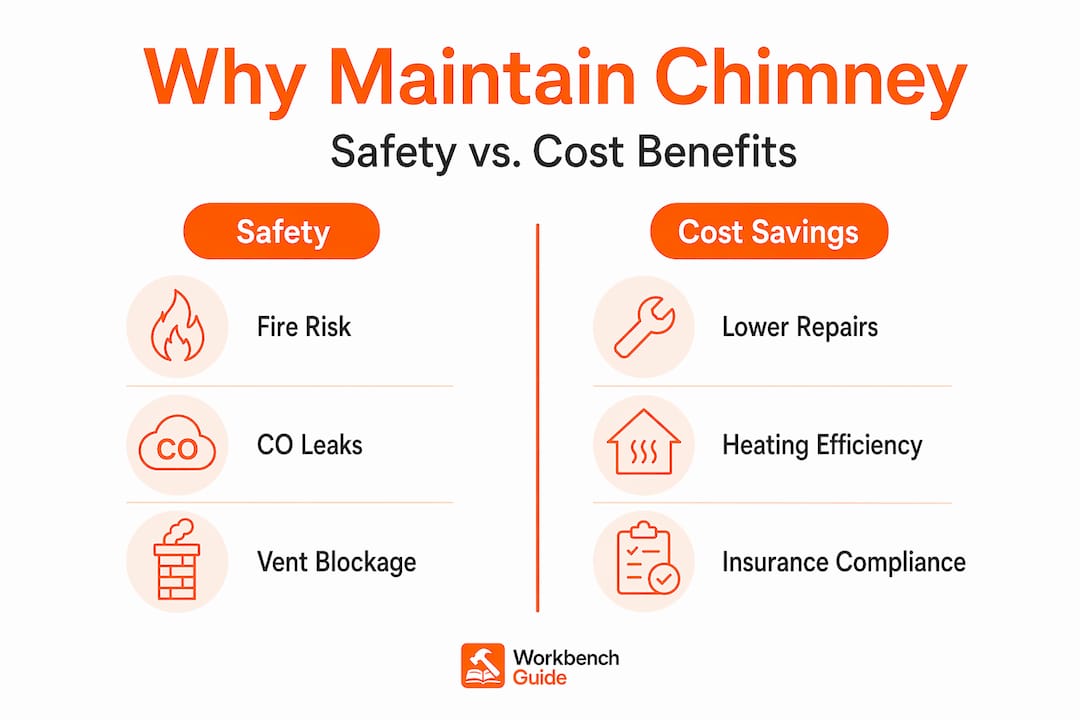
I have talked with hundreds of homeowners about home maintenance priorities, and chimneys come up in a predictable pattern. People either ignore them completely or assume that because their fireplace “works fine,” nothing needs attention.
What I have learned is that the chimney problems that hurt homeowners most are the ones they never saw coming. A couple burns three cords of wood every winter for six years without a single cleaning. The chimney looks fine. The fire draws well. Then one night a chimney fire starts inside the walls, and the damage is severe enough to require a full liner replacement and partial masonry repair. The total bill runs close to $8,000. Six annual sweeps at $200 each would have cost them $1,200.
The pattern I have seen repeat itself is that proactive annual care is genuinely the best insurance you can buy for a fireplace system. It is not about being overly cautious. It is about recognizing that your chimney is working hard under conditions that are genuinely hard on materials. Heat, cold, water, acid, and combustion gases are attacking it every season.
My honest opinion: treat chimney maintenance the way you treat your smoke detector batteries. Not optional, not seasonal, and not something you remember only when something smells wrong. Set a calendar reminder, book it annually, and keep the receipt. You will sleep better, and your house will thank you.
— Sean
Keep your chimney safe with Workbenchguide
Knowing why you should maintain your chimney is the first step. Actually doing it consistently, year after year, is where most homeowners struggle. That is exactly what Workbenchguide is built to solve.
The Workbenchguide platform gives you maintenance reminders, step-by-step task guides, and project checklists so chimney care never slips through the cracks. You can track your inspection history, follow seasonal maintenance schedules, and access DIY guidance for routine checks between professional visits. When a job calls for a contractor, the platform helps you find and manage that too.
Start with the home maintenance checklist to build a full-year schedule that includes chimney sweeping, cap inspection, and seasonal fire safety checks. Every task in one place means nothing gets missed and no costly surprises catch you off guard.
FAQ
What happens if you never clean your chimney?
Creosote builds up and becomes a serious fire hazard, and blockages can redirect carbon monoxide into your home. Over time, moisture and acidic deposits also break down the masonry, leading to structural damage that is expensive to repair.
How often should a chimney be inspected?
Most fire safety organizations recommend a chimney safety inspection at least once per year, ideally before the start of each heating season. Homes with heavy fireplace use may benefit from more frequent cleaning.
Is chimney maintenance necessary if you rarely use the fireplace?
Yes. Dormant chimneys face unique risks including animal nesting and accelerated moisture damage, even without regular fires. An annual inspection catches these issues before they become costly problems.
Can a dirty chimney affect your heating bills?
A restricted flue reduces combustion efficiency and draft, which means more wood burned for less heat. The indirect effect on your HVAC system adds to the cost as well, since your furnace works harder when supplemental heating underperforms.
Does homeowner insurance cover chimney fires?
Coverage depends on your policy, but documented maintenance records are often required for claims related to chimney fires to be honored. Skipping inspections can give your insurer grounds to deny a claim.