
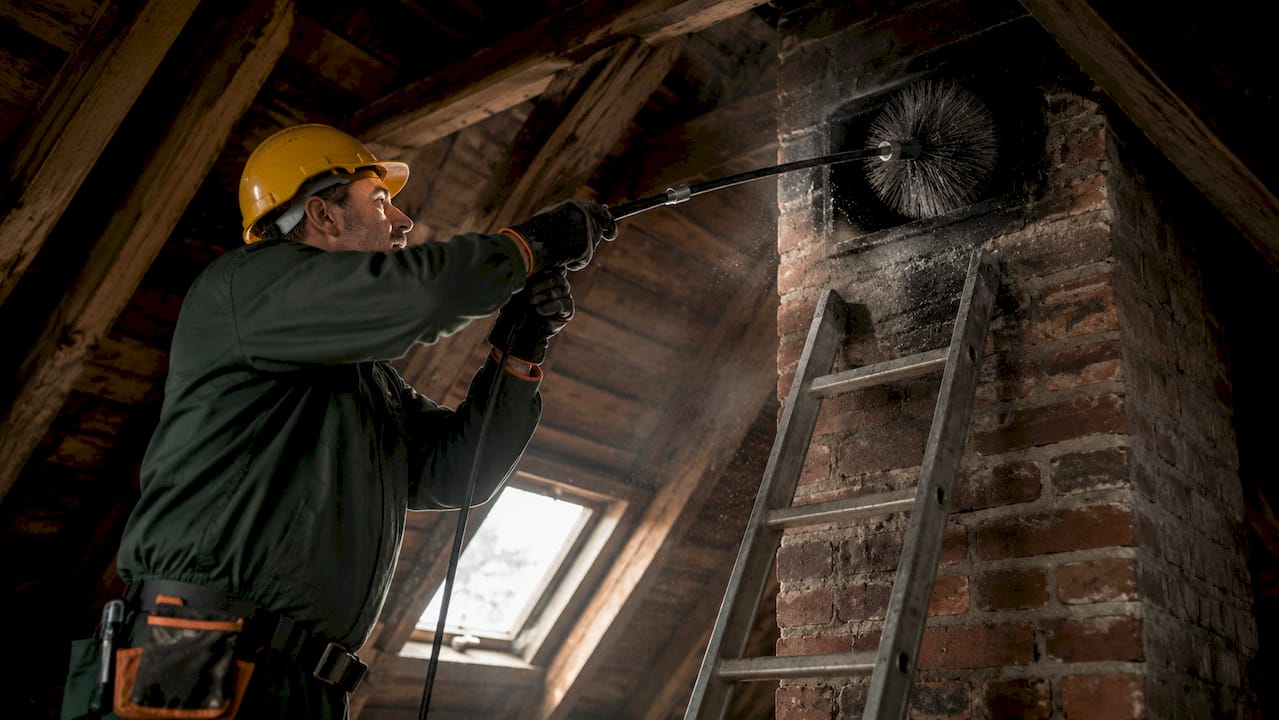
Cleaning your chimney flue is the single most effective step you can take to prevent a house fire caused by your fireplace. The chimney flue is the interior channel that carries smoke, gases, and combustion byproducts safely out of your home. Over time, it collects creosote, a sticky and highly flammable residue that the NFPA identifies as the leading cause of chimney fires in the United States. The Chimney Safety Institute of America (CSIA) and NFPA both recommend annual inspections, with cleaning scheduled based on how often you use your fireplace.
Why clean chimney flue: the creosote problem
Creosote is the core reason chimney flue maintenance matters. It forms when wood burns incompletely, releasing unburned gases that cool inside the flue and condense into a dark, tar-like coating on the flue walls. At low levels it looks like a light, flaky soot. Left unchecked, it hardens into a thick, glossy layer that is extremely difficult to remove and extremely easy to ignite.
Creosote buildup over 1/8 inch in thickness is highly combustible and requires professional removal to prevent chimney fires. That 1/8-inch threshold is not arbitrary. At that depth, a single spark from your fire can ignite the residue and send flames racing up the flue at temperatures exceeding 2,000°F.
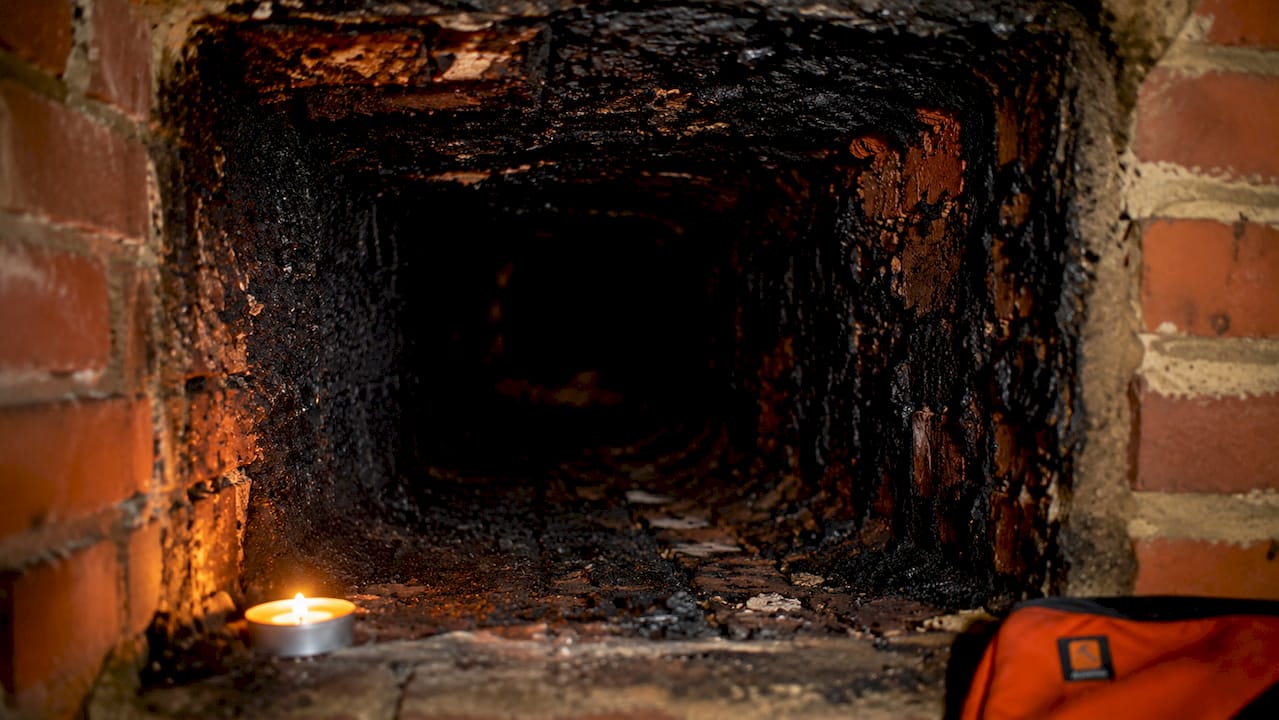
The danger compounds because creosote does not announce itself. The most dangerous buildup is invisible and odorless, escalating chimney fire risk if left unmanaged. Many homeowners assume they would smell or see a problem before it became serious. That assumption is wrong and has cost people their homes.
Creosote also chokes airflow. Restricted airflow due to creosote forces fireplaces to burn inefficiently, leading to increased fuel use and more creosote buildup. The cycle accelerates: less draft means cooler flue temperatures, which means more condensation, which means faster creosote accumulation.
- Stage 1 creosote: Flaky, gray or black soot. Easiest to remove with standard brushing.
- Stage 2 creosote: Tar-like, crunchy deposits. Requires professional rotary tools.
- Stage 3 creosote: Hardened, glazed coating. The most hazardous stage and the hardest to remove.
Pro Tip: Burn only seasoned hardwood with a moisture content below 20%. Wet or green wood burns cooler and produces far more creosote per fire than properly dried wood.
How often should you clean your chimney flue?
Cleaning frequency depends directly on how often you use your fireplace. The NFPA 211 standard sets the baseline: annual inspection is mandatory regardless of use, with cleaning scheduled based on actual buildup. That inspection tells you whether cleaning is needed right now or can wait another season.
Here is how to match your cleaning schedule to your usage pattern:
- Heavy use (3 or more fires per week): Schedule one to two professional cleanings per year. High-frequency burning accelerates creosote buildup faster than a single annual cleaning can address.
- Moderate use (one to two fires per week): One cleaning per year, ideally timed with your annual inspection, keeps the flue safe and clear.
- Light use (a few fires per season): Cleaning every one to two years is generally sufficient, provided your annual inspection confirms buildup stays below the 1/8-inch threshold.
- Gas fireplaces: Gas burns cleaner and produces no creosote, but gas fireplaces still require annual inspections to check for blockages from animal nests and mineral deposits that can cause carbon monoxide backflow.
Timing your cleaning strategically also saves money. Booking a chimney sweep in late spring or early summer allows easier scheduling and faster cleaning because creosote is fresher and easier to remove. Summer bookings also leave time for any needed masonry repairs before the heating season starts in fall.
Pro Tip: Call your chimney sweep in may or june, not october. Demand spikes sharply in fall, wait times grow, and prices often rise. Scheduling early costs less and gets you better availability.
What are the health and safety benefits of regular flue cleaning?
Regular chimney cleaning protects your home on multiple fronts, not just from fire. Each benefit below addresses a real, documented risk that a dirty flue creates.
“Annual chimney inspection is a critical, low-cost home safety measure that prevents expensive repairs and protects against deadly carbon monoxide poisoning. Early detection avoids thousands in repairs and protects household health.” — Archer Chimneys
Fire prevention is the most direct benefit. Removing creosote eliminates the fuel source for chimney fires, which can spread to the roof and attic within minutes. A chimney fire is not a contained event. It is a structural emergency.
Carbon monoxide protection comes from keeping the flue clear of blockages. When smoke and combustion gases cannot exit freely, they back-draft into your living space. Carbon monoxide is colorless and odorless. By the time a detector sounds, exposure may already be dangerous.
Blockage removal addresses a hazard most homeowners overlook entirely. Birds, squirrels, and raccoons regularly build nests inside unused chimneys. Leaves and debris accumulate at the top. A single nest can completely block airflow and force carbon monoxide back into the home.
Energy efficiency improves measurably when the flue is clean. A clear flue draws air properly, which feeds the fire with enough oxygen to burn hot and complete. A hot, complete burn produces less creosote and extracts more heat from each log.
Early structural detection is a benefit that pays for the cleaning cost many times over. A professional sweep inspects the flue liner, mortar joints, and firebox during every visit. Chimneys deteriorate slowly from thermal cycling and moisture exposure. Catching a cracked liner or spalling mortar early costs a fraction of what full reconstruction requires.
How is chimney flue cleaning performed?
Professional chimney cleaning follows a defined sequence that DIY methods rarely replicate fully. Understanding the process helps you evaluate the quality of service you receive.
The professional cleaning process
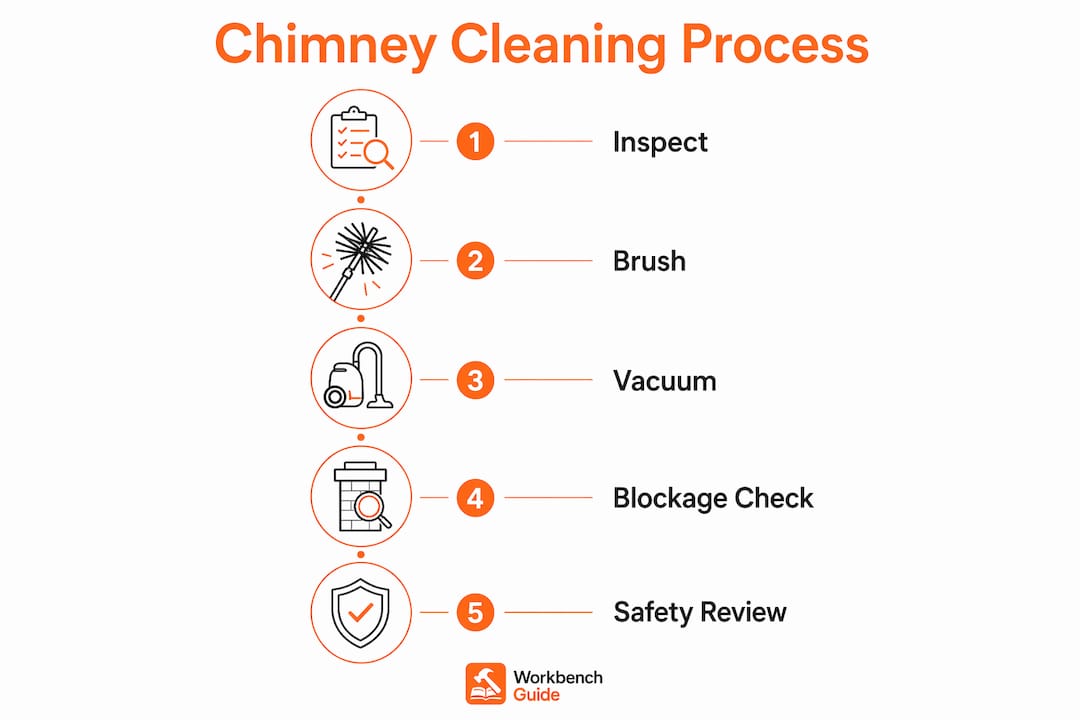
A certified sweep begins with a visual inspection of the firebox, damper, smoke chamber, and flue liner. This step identifies structural problems before brushing begins. The sweep then inserts specialized rotary or hand brushes from the top of the chimney, working downward to dislodge creosote and debris. A HEPA-rated vacuum runs simultaneously from the firebox opening to capture falling material and prevent soot from spreading through your home. The job ends with a final safety report documenting the flue condition and any repairs needed.
Professional chimney cleaning involves inspection, brushing with specialized tools, HEPA vacuuming, and a final safety report to safely and thoroughly clean the flue. That combination of steps is what separates a professional service from a basic brush-and-go job.
DIY vs. professional cleaning
| Factor | DIY cleaning | Professional service |
|---|---|---|
| Creosote removal | Partial; misses Stage 2 and 3 deposits | Complete; uses rotary tools for all stages |
| Structural inspection | Not performed | Full liner and masonry inspection included |
| Health risk | High; soot exposure without proper equipment | Low; HEPA vacuum and protective gear used |
| Liner crack detection | Not possible without camera | Camera inspection available |
| Cost | Low upfront; higher risk of missed hazards | $100–$350 per cleaning |
The CSIA recommends hiring a certified chimney sweep for annual cleaning. Certification requires training in flue inspection, hazard identification, and safe cleaning practices. A certified sweep carries liability insurance and follows documented safety protocols. DIY brushing can remove light Stage 1 deposits, but it cannot detect a cracked liner, a failing damper, or Stage 3 glazed creosote that requires chemical treatment before mechanical removal.
Pro Tip: Ask your sweep for a written report after every visit. A good report lists the flue condition, creosote stage found, any structural concerns, and the recommended next service date. That document protects you if an insurance claim ever arises.
Key Takeaways
Regular chimney flue cleaning prevents fires, blocks carbon monoxide exposure, and extends the life of your chimney by removing creosote before it reaches dangerous levels.
| Point | Details |
|---|---|
| Creosote is the core hazard | Buildup above 1/8 inch is highly combustible and requires professional removal. |
| Annual inspection is mandatory | NFPA 211 requires yearly inspection regardless of how often you use your fireplace. |
| Cleaning frequency matches usage | Heavy users need 1–2 cleanings per year; light users can clean every 1–2 years. |
| Gas fireplaces need inspection too | Annual checks catch blockages from nests and debris that cause carbon monoxide risks. |
| Schedule in late spring | Off-peak booking saves money and leaves time for repairs before heating season. |
What I’ve learned from years of watching homeowners skip this task
Most homeowners who skip chimney cleaning are not careless. They are just waiting for a sign that something is wrong. That instinct works fine for a leaky faucet or a squeaky door. It fails completely with a chimney flue.
Creosote builds silently. There is no warning smell, no visible smoke inside the house, no obvious signal until a fire starts inside the flue itself. I have seen homeowners who used their fireplace twice a week for three winters without a single cleaning, genuinely convinced their chimney was fine because nothing had gone wrong yet. The inspection revealed Stage 2 deposits throughout the upper flue. They were one hot fire away from a serious incident.
The other mistake I see regularly is assuming that a rarely used fireplace does not need attention. A fireplace used four times last winter still needs an annual inspection. Animal nests, moisture damage, and mortar deterioration happen whether you light a fire or not. The chimney safety benefits extend well beyond creosote removal.
My practical advice: burn only seasoned hardwood, keep your fires hot rather than smoldering, and schedule your sweep for may or june every year without exception. Those three habits reduce creosote formation, catch problems early, and keep your cleaning costs predictable. Chimney care is not complicated. It just requires consistency.
— Sean
Workbenchguide keeps your chimney maintenance on schedule
Chimney flue cleaning is one of those tasks that is easy to plan and easy to forget. Workbenchguide solves that problem with structured home maintenance checklists that include chimney inspection reminders, seasonal task schedules, and step-by-step guides for homeowners who want to stay ahead of repairs. You get reminders before the fall heating season, guidance on what to ask your sweep, and a complete record of every maintenance task completed. Whether you handle chimney prep yourself or hire a certified professional, Workbenchguide keeps the schedule clear and the guesswork out of home upkeep.
FAQ
Why is cleaning the chimney flue necessary every year?
Annual cleaning removes creosote buildup and blockages that cause chimney fires and carbon monoxide exposure. NFPA 211 requires at least one inspection per year, with cleaning based on actual buildup levels.
What happens if you never clean your chimney flue?
Creosote accumulates until it reaches the combustion threshold, at which point a single fire can ignite the flue lining and spread flames to your roof. Blockages from nests and debris also force toxic gases back into your living space.
How much does chimney flue cleaning cost?
Professional chimney cleaning typically costs between $100 and $350 per service. The exact price depends on flue length, creosote stage, and whether repairs are needed.
Can you clean a chimney flue yourself?
Basic Stage 1 soot removal is possible with chimney brushes, but DIY cleaning cannot detect cracked liners, Stage 2 or 3 creosote, or structural damage. The CSIA recommends hiring a certified sweep for safe, thorough results.
Do gas fireplaces need chimney cleaning?
Gas fireplaces produce no creosote but still require annual inspections. Animal nests and mineral deposits can block the flue and create carbon monoxide risks even without wood-burning use.