
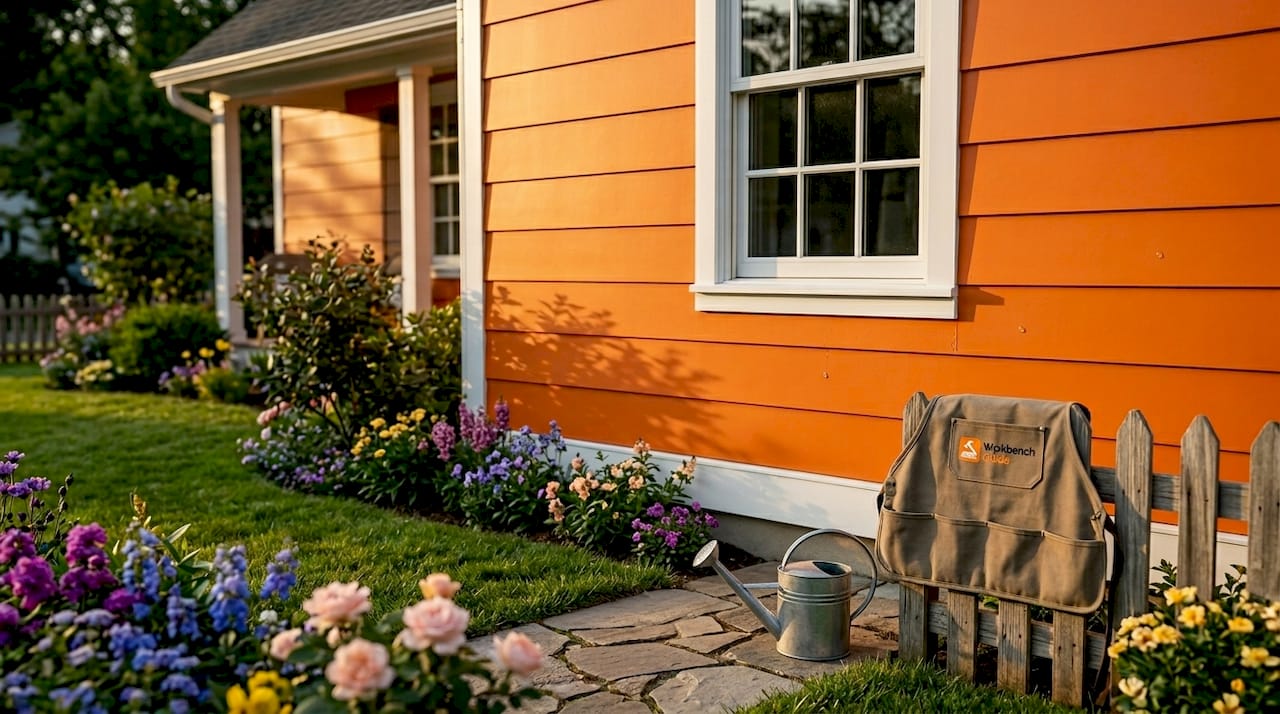
Exterior paint is defined as the primary protective coating system that shields your home’s structure from weather, moisture, and UV damage while simultaneously shaping its visual identity. The role of exterior paint goes far beyond color choice. It is a functional barrier that determines whether your siding, trim, and wood substrates survive decades of sun, rain, and temperature swings or deteriorate into costly repairs. Brands like Valspar and product categories like latex acrylic paints have made this barrier more durable than ever, yet most homeowners still treat paint as a cosmetic decision. Understanding what exterior paint actually does changes how you maintain your home and spend your money.
How does exterior paint protect your home from environmental damage?
Exterior paint protects siding and trim from sun, wind, sand, storms, and moisture intrusion. When paint fails, those surfaces are directly exposed to the elements, and breakdown accelerates fast. Think of paint as your home’s outer skin. Once it cracks or peels, everything beneath it becomes vulnerable.
Moisture is the biggest threat
Water is the primary enemy of any wood or composite exterior. Paint blocks moisture from soaking into porous materials and closes hairline cracks that allow water intrusion. When moisture gets past the paint layer, it triggers wood rot, mold growth, and structural swelling. Repairing rot in window frames or siding boards costs far more than a timely repaint.
UV damage and surface breakdown
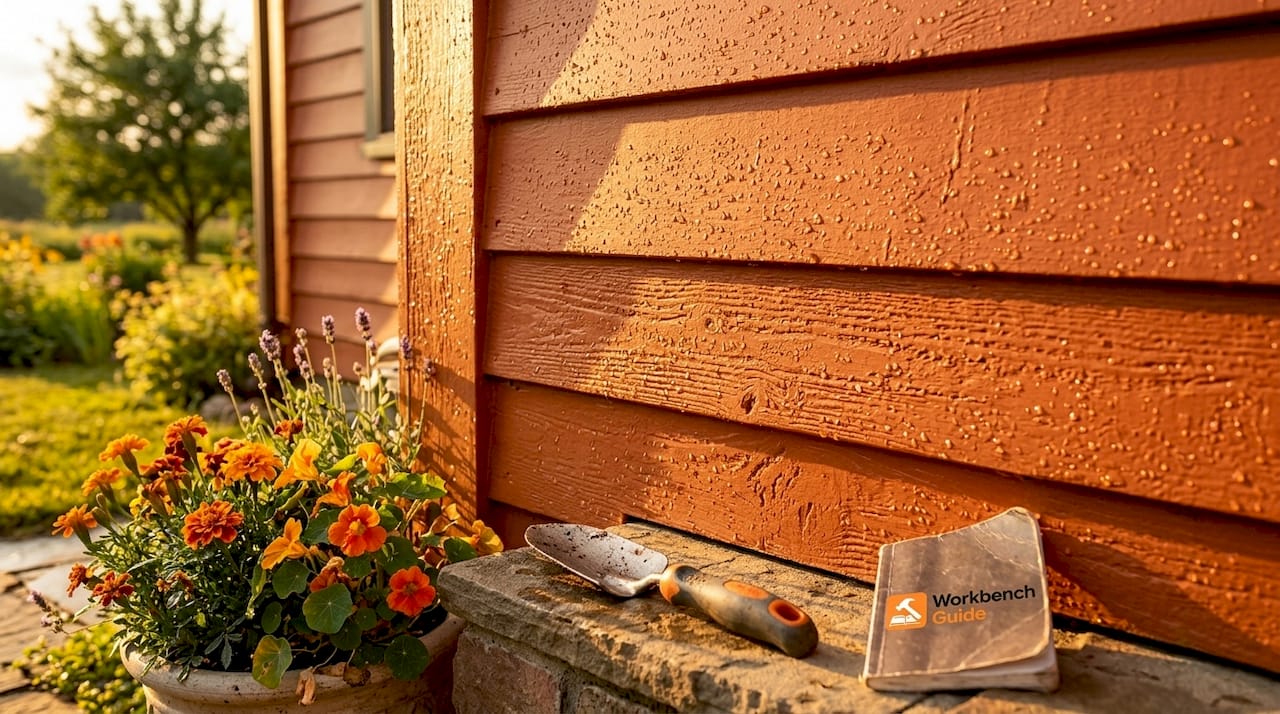
Sunlight breaks down paint binders and pigments over time, causing a chalky residue on the surface called chalking. UV-resistant formulations in modern latex acrylic paints slow this process significantly, but no paint lasts forever without maintenance. South-facing and west-facing walls take the hardest UV hit and typically show failure first.
Paint as a system, not just a coat
Skipping primer or sealing joints and cracks increases the risk of trapped moisture and accelerated paint failure. A proper exterior paint system includes a primer, a quality topcoat, and sealed joints at windows, doors, and trim transitions. Each layer has a job. The primer bonds to the substrate, the topcoat resists weather, and the sealant prevents water from sneaking in at edges.
The most common failure modes you will see are:
- Peeling: Paint loses adhesion, usually from moisture beneath the film or inadequate surface prep
- Cracking: Binder breakdown from UV exposure or temperature cycling
- Chalking: Surface oxidation leaving a powdery residue, common on older oil-based paints
- Blistering: Trapped moisture or solvent vapor pushing paint away from the substrate
Pro Tip: Run your hand across a painted wall. If white powder transfers to your palm, the paint is chalking and has lost its protective integrity. That surface needs cleaning and recoating before the next rain season.
What are the benefits of exterior paint beyond protection?
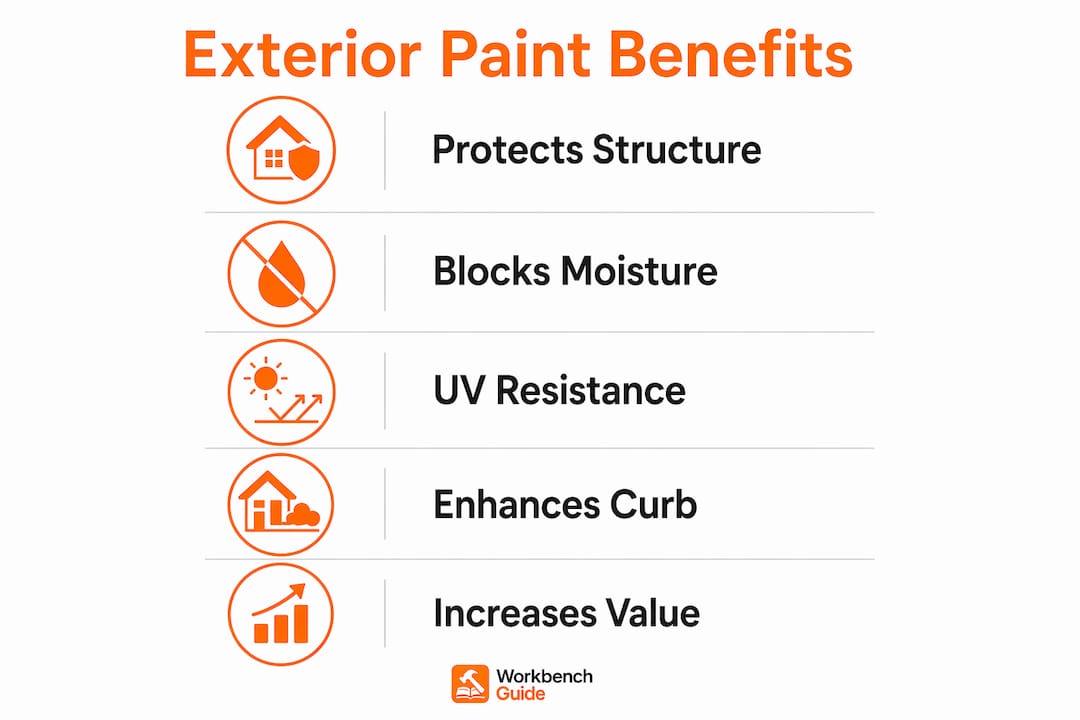
The importance of exterior paint extends well past weather resistance. Paint is one of the most cost-effective tools a homeowner has for increasing perceived and actual property value.
The financial case for fresh paint
Small exterior paint touch-ups can increase home value by 2 to 5 percent, according to Consumer Reports data cited by Angi. On a $400,000 home, that represents $8,000 to $20,000 in added value from a project that might cost $2,000 to $5,000. That return on investment beats most other cosmetic upgrades.
Paint also acts as a diagnostic tool. When you inspect your exterior before repainting, you often discover cracked caulk, soft wood, or failing flashing that would otherwise go unnoticed until water damage appears inside the home. Catching these problems early is one of the underrated benefits of exterior paint maintenance.
2026 color trends worth knowing
Valspar’s 2026 exterior color data reveals a surprising surge in sunny yellows alongside modern black stains, while classic neutrals, blues, and greens remain strong. This shift toward warmer, more expressive palettes reflects a broader cultural move away from the gray-dominated exteriors that dominated the 2010s.
Current trends shaping exterior color choices in 2026:
- Earthy neutrals: Warm taupes, greiges, and soft browns that age gracefully
- Radiant yellows: A bold but approachable choice gaining traction in suburban markets
- Deep blues and greens: Nature-inspired tones that read as sophisticated without being cold
- Modern black stains: Popular on trim, doors, and accent features for high-contrast drama
| Color Category | Best Use Case | 2026 Trend Status |
|---|---|---|
| Warm neutrals | Full body color on most home styles | Consistently popular |
| Radiant yellows | Accents, doors, smaller homes | Surging in 2026 |
| Deep blues/greens | Full body or large accent areas | Strong and growing |
| Modern black stains | Trim, shutters, garage doors | Emerging trend |
How should homeowners maintain and apply exterior paint for maximum durability?
Maintenance is where most homeowners lose ground. They either repaint on a rigid schedule without checking actual paint condition, or they ignore the exterior until failure is severe. Neither approach is efficient.
Annual inspection plus targeted maintenance painting is the preferred approach over automatic full repainting schedules. Catching a small area of peeling paint on a north-facing gable and addressing it immediately costs a fraction of what full-wall repainting costs two years later when the rot has spread.
Surface preparation is non-negotiable
Proper surface prep is what separates a paint job that lasts 10 years from one that fails in three. Follow this sequence before applying any exterior paint:
- Clean the surface thoroughly. Pressure wash or hand-wash with a TSP substitute to remove dirt, mildew, and chalking residue. Paint will not bond to a contaminated surface.
- Sand rough or peeling areas. Feather the edges of any existing peeling paint so the new coat blends smoothly.
- Repair cracks and gaps. Use a paintable exterior caulk at all joints, window frames, and trim intersections. This is the moisture barrier step most DIYers skip.
- Prime bare wood and repaired areas. Priming and caulking are essential for paint to perform as an effective moisture barrier. Bare wood absorbs topcoat unevenly and dries out faster without primer.
- Apply topcoat in appropriate conditions. Avoid painting in direct midday sun, below 50°F, or when rain is forecast within 24 hours.
Pro Tip: If you are spraying paint on textured surfaces like stucco or rough-sawn wood, always backroll immediately after spraying. Backrolling improves coverage and adhesion by working the paint into the texture rather than leaving it sitting on top.
When to call a professional
DIY exterior painting is entirely achievable for single-story homes with straightforward surfaces. Multi-story homes, complex trim details, or surfaces with significant rot or moisture damage are situations where a professional brings real value. The risk of painting over compromised paint layers is that you lose weather resistance despite the fresh color. A professional will identify and address the underlying failure before coating over it. You can also use Workbenchguide’s siding inspection guide to identify early warning signs before deciding whether to DIY or hire out.
How do exterior paint choices affect curb appeal and neighborhood fit?
Color selection is both a science and a personal statement. The color perception challenges created by north-facing facades and evening lighting mean that a paint chip that looks perfect in the store can read completely differently on your home. This is not a minor issue. Undertones shift dramatically under different light conditions, and a warm beige can turn pink on a north-facing wall.
House size and orientation shape which colors work. Lighter colors make smaller homes feel larger and work well in shaded settings. Darker, saturated tones add drama and definition to larger homes with strong architectural features. Trim color contrast is equally important. A body color with no trim contrast reads as flat and unfinished, while a well-chosen trim color in a semi-gloss or pearl finish highlights window casings, corner boards, and fascia details.
Doors and accent features are where personality enters the picture. A deep navy or forest green front door against a warm gray body color creates a focal point without overwhelming the street view. Pearl and semi-gloss finishes on trim and doors are practical too. They are easier to clean and hold up better to direct contact than flat finishes. For a deeper look at how color and finish choices connect to your overall exterior maintenance strategy, Workbenchguide covers the full picture.
Key takeaways
Exterior paint serves a dual function: it is the primary moisture and UV barrier protecting your home’s structure, and it is the most visible aesthetic statement your property makes.
| Point | Details |
|---|---|
| Paint is a protective system | Primer, topcoat, and sealed joints work together. Skipping any layer increases failure risk. |
| Surface prep determines lifespan | Cleaning, sanding, caulking, and priming before painting doubles the effective life of any coat. |
| Annual inspection beats full repaints | Catching small failures early and touching up targeted areas saves thousands over reactive repainting. |
| Color choice is building science | House orientation, roof undertones, and lighting all affect how a color reads on your exterior. |
| Paint touch-ups add real value | Small exterior paint improvements can increase home value by 2 to 5 percent. |
Why I think most homeowners are solving the wrong paint problem
I have seen the same pattern repeat itself constantly. A homeowner notices their exterior looks tired, picks a color they love, and hires someone to paint over whatever is already there. Two years later, the paint is peeling again. The color was never the problem. The substrate was.
The most common misconception I encounter is that fresh paint fixes a failing exterior. It does not. Paint is a coating, not a repair. If the wood beneath is soft, the caulk is cracked, or the primer was skipped, the new topcoat will fail at the same rate as the old one. The paint job looks great for one season and then starts telling the same story of neglect underneath.
What actually works is treating paint as part of a maintenance system rather than a cosmetic refresh. That means inspecting your exterior every spring, addressing small failures immediately, and understanding that the prep work is where the durability lives. The color is the last decision you make, not the first.
Color science is also undervalued. Most homeowners pick a color they like indoors under artificial light, then wonder why it looks wrong on the house. Testing large swatches directly on the wall and observing them at different times of day is not optional if you want a result you will be happy with for a decade. The role of primer and proper surface prep is where professional painters earn their fee, even if you handle the topcoat yourself.
Exterior paint done right is one of the highest-return maintenance investments a homeowner can make. Done wrong, it is an expensive illusion.
— Sean
Keep your exterior paint working harder for longer
Workbenchguide is built for homeowners who want to stay ahead of repairs rather than react to them. The home maintenance checklist includes seasonal exterior paint inspection reminders, surface prep checklists, and step-by-step guides for identifying early paint failure before it becomes structural damage. You can track what needs attention, schedule touch-up projects, and know exactly when to call a contractor versus handle it yourself. Staying organized around exterior maintenance is how you protect your investment year after year without the stress of emergency repairs.
FAQ
What is the main role of exterior paint on a house?
Exterior paint serves as the primary protective barrier between your home’s structural materials and weather damage, including moisture, UV radiation, and temperature fluctuations. It also defines curb appeal and influences property value.
How often should exterior paint be inspected or touched up?
Annual inspection is the recommended approach, with targeted touch-ups applied to any areas showing peeling, cracking, or chalking. This prevents small failures from becoming large, costly repairs.
Does exterior paint color affect home value?
Yes. Small exterior paint improvements, including fresh color and touch-ups, can increase home value by 2 to 5 percent according to Consumer Reports data. Color choice also affects buyer perception and time on market.
What happens if you skip primer on exterior paint?
Skipping primer increases the risk of poor adhesion, uneven coverage, and trapped moisture beneath the topcoat. Bare wood and repaired surfaces require primer to bond properly and resist water intrusion.
What are the signs that exterior paint has failed?
The main signs are peeling, cracking, blistering, and chalking. Chalking leaves a white powder residue when you run your hand across the surface. Any of these signs indicate the paint is no longer providing effective weather protection and needs attention.