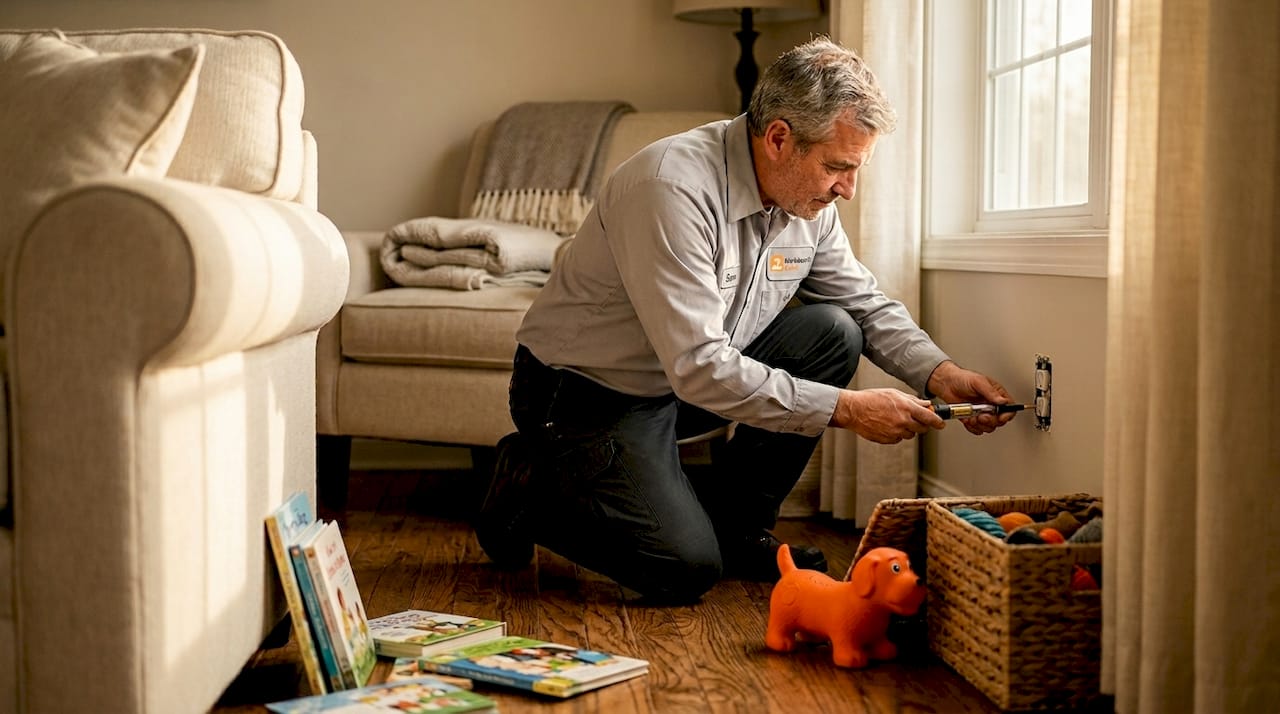
A home inspection is one of the most consequential steps in any real estate transaction, yet buyers and sellers routinely treat it as a box to check rather than a tool that genuinely protects them. What is a home inspection, really? It is a thorough, assessment of a home’s condition covering visible and accessible components, major systems, and potential safety hazards. Skip it or misunderstand it, and you could close on a house with a failing electrical panel, a cracked foundation, or hidden mold. This guide walks you through exactly what happens, what to expect, and how to use the results to your advantage.
Table of Contents
- What is a home inspection and who performs it?
- What to expect during the home inspection process
- Understanding your home inspection report and contingencies
- Why home inspections matter: beyond buying and selling
- The overlooked truth about home inspections: more than just checklists
- Empower your home ownership with expert maintenance and repair guidance
- Frequently asked questions
What is a home inspection and who performs it?
A home inspection is a visual evaluation of a property’s physical condition, performed by a trained professional before a sale is finalized. It is not a pass/fail test. It is a snapshot of the home’s current state, identifying what works, what needs attention, and what could become a serious problem.
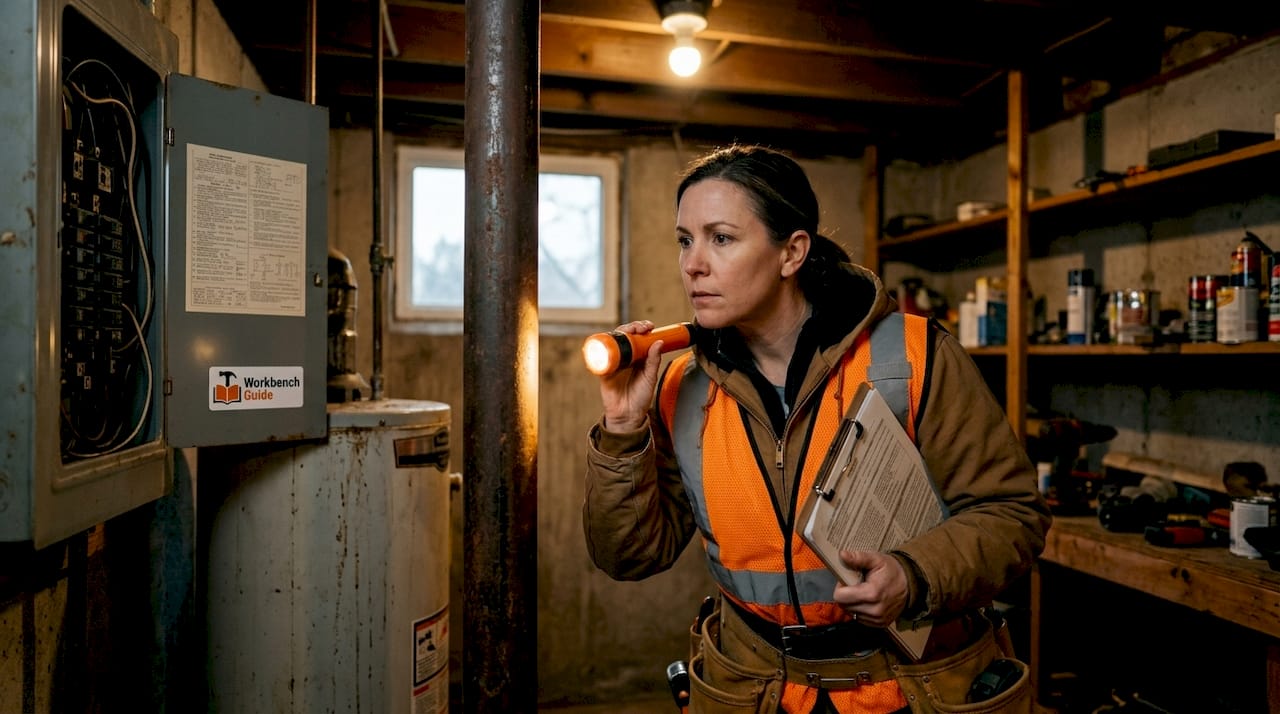
Inspectors who earn certification through organizations like the American Society of Home Inspectors (ASHI) follow standardized Standards of Practice that focus on observable conditions without destructive testing. That last part matters. An inspector will not cut open walls or remove flooring. They evaluate what they can see and access on inspection day.
Major systems visually checked during a standard inspection include:
- Structure: Foundation, framing, basement, and crawlspace conditions
- Roof: Shingles, flashing, gutters, and visible decking
- Plumbing: Water supply lines, drainage, water heater, and fixtures
- Electrical: Panel, wiring, outlets, GFCI protection, and visible hazards
- HVAC: Heating and cooling systems, ductwork, and filters
- Interior: Ceilings, walls, floors, windows, doors, and stairs
- Exterior: Siding, grading, driveways, and visible drainage
Beyond mechanical systems, inspectors also flag potential health and safety hazards. Mold growth, signs of radon infiltration, suspected lead paint, and asbestos-containing materials may all be noted, though testing for these often requires a separate specialist. If any of these concerns come up, your home safety inspection guide can help you understand next steps and how to address them.
What to expect during the home inspection process
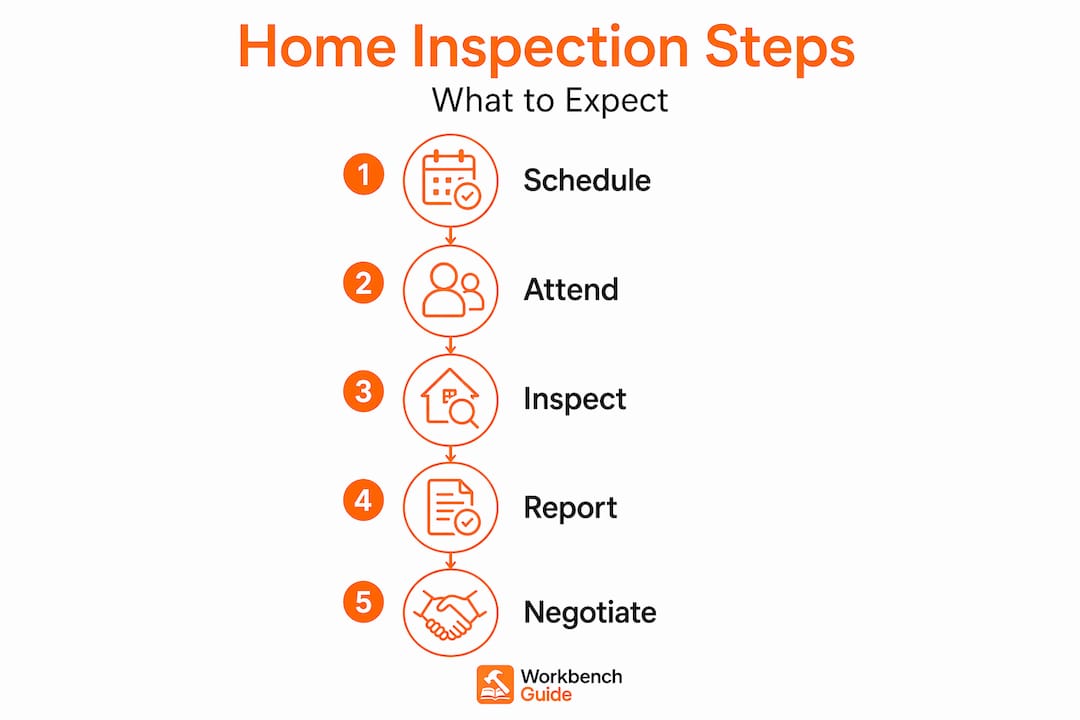
Knowing how the home inspection process unfolds helps you prepare and get the most out of it. Here is the typical sequence from scheduling to receiving your report.
- Schedule immediately after contract signing. Most purchase contracts give you a limited inspection window, often 7 to 14 days. Book your inspector the same day you go under contract so you have flexibility to reschedule if needed.
- Find a certified inspector. Ask your real estate agent for referrals, but also verify credentials independently. Look for ASHI or InterNACHI certification, which signals the inspector meets professional standards.
- Plan to attend in person. The inspection usually lasts 2 to 4 hours on-site, with the written report delivered within 1 to 2 days. Being present lets you ask questions, see problems firsthand, and understand the difference between a minor cosmetic issue and something that needs urgent attention.
- Walk with the inspector. Follow them room to room. Ask questions. A good inspector will explain what they are testing, why it matters, and what you should watch going forward.
- Review the report carefully. The written report documents every finding with photos, descriptions, and recommended actions. Read it fully before deciding on next steps.
Pro Tip: Bring a notepad or use your phone to take photos of areas the inspector points out. The report will document findings, but your own notes on where things are located (like the shutoff valve location or the age of the furnace) will be useful long after closing.
For sellers preparing a home, reviewing your seasonal home preparation tips before listing can reduce the number of surprises that show up in an inspection report.
Understanding your home inspection report and contingencies
The inspection report is where the real work begins. A thorough report can run 30 to 80 pages with detailed photos and descriptions. Understanding how to read it without panicking is a skill most buyers need to develop.
Findings generally fall into three categories:
- Safety concerns: Issues that pose immediate risk to occupants, such as exposed wiring, carbon monoxide risks, or structural instability. These require prompt action.
- Repair items: Systems or components that are failing, past their useful life, or functioning below standard. These are often negotiating points.
- Monitoring items: Minor wear, aging components, or cosmetic issues that do not need immediate repair but should be tracked over time.
Here is a quick comparison of how to approach different finding types:
| Finding type | Example | Recommended action |
|---|---|---|
| Safety concern | No GFCI outlets near water | Negotiate immediate repair or credit |
| Major repair | Aging roof with multiple missing shingles | Request repair or price reduction |
| Specialty referral | Visible mold in crawlspace | Order specialist testing before closing |
| Monitoring item | Minor caulk gaps around windows | Plan for DIY fix post-closing |
| Cosmetic issue | Scuffed paint, worn carpet | Accept as-is, budget for updates |
Inspection contingencies typically allow buyers 7 to 10 days to review the report, order any specialty inspections, and negotiate repairs or price adjustments with the seller. Missing that deadline means losing your leverage, so track it carefully.
One important reality check: not all flagged items are deal-breakers. Many findings are routine maintenance items that any occupied home accumulates. The goal is to identify what is truly significant and focus your negotiation energy there, rather than requesting repairs on every minor item in the report.
For a deeper look at how inspection findings translate into long-term maintenance priorities, the importance of regular home inspections is worth reading before you sit down to write your repair request.
Why home inspections matter: beyond buying and selling
Most people think of home inspections as a buyer’s tool. They are also one of the smartest things a seller or current homeowner can do.
The importance of home inspection extends well beyond the transaction itself:
- Catch problems before they compound. A small roof leak found during an inspection costs a few hundred dollars to fix. Left undetected for two years, it can mean rotted decking, mold remediation, and a damaged ceiling. Early detection is almost always cheaper.
- Use the report as a maintenance roadmap. The inspector’s findings on aging water heaters, worn weatherstripping, or a cracked driveway give you a prioritized list of future projects.
- Address health hazards directly. Inspections identify health hazards such as mold, radon gas, lead paint, and asbestos, all of which carry real health consequences for occupants. These are not items to defer.
- Pre-listing inspections give sellers the upper hand. A seller who completes an inspection before listing can fix issues in advance, price the home accurately, and avoid the shock of a buyer’s report derailing a deal at the last minute.
“The best time to get a home inspection is before you need to react to one. Buyers who treat inspections as education rather than ammunition make better decisions and close with fewer surprises.”
Pro Tip: If you are selling, spending $300 to $500 on a pre-listing inspection is often worth more than the cost. It gives you time to make repairs on your own schedule rather than under the pressure of a buyer’s deadline.
For homeowners who want to stay ahead of problems year-round, a home audit guide walks through how to evaluate your own property between professional inspections.
The overlooked truth about home inspections: more than just checklists
Here is something most articles about home inspections do not say: the written report is not the most valuable thing you get from the process. The conversation with the inspector is.
A good inspector does not just document problems. They teach you about the home. They show you where the main water shutoff is, explain why the furnace is close to end of life but still functional, and tell you which items on the report genuinely require attention versus which ones are normal wear you will manage over time. That real-time education is irreplaceable, and it only happens if you show up.
Most buyers also underestimate how inspection findings become triggers for specialist follow-ups. When a general inspector notes possible moisture intrusion or what appears to be mold, that is not a verdict. It is a referral. A structural engineer, a mold remediation specialist, or a licensed electrician will give you the actual picture. Treating every flagged item as a catastrophe leads to bad decisions. Treating every flagged item as information to act on systematically leads to good ones.
The inspection also works as a negotiation tool only when you use it strategically. Asking for everything in the report to be fixed is a rookie move that sellers routinely reject. Focusing your repair requests on safety concerns and major systems while letting minor items go creates goodwill and gets results. The report gives you the data. What you do with it is strategy.
Finally, timing matters more than most buyers realize. Scheduling your inspection within 24 to 48 hours of going under contract is not urgency for its own sake. It is so you have enough time within the contingency window to order a specialist inspection if the general report raises serious questions. For ongoing protection after you move in, tracking the benefits of ongoing inspections helps you build a real maintenance rhythm rather than responding to problems after they become expensive.
Empower your home ownership with expert maintenance and repair guidance
Understanding home inspections is the first step. Acting on what you learn is what actually protects your home and your budget. Workbench Guide gives you the tools to do both. Use our home maintenance checklist to translate inspection findings into a year-round action plan, organized by season and priority. Follow our preventative home maintenance guides to stay ahead of the issues inspectors flag most often. And when something needs fixing, our step-by-step repair guides walk you through common repairs with clear instructions, so you can decide what to DIY and when to call a pro.
Frequently asked questions
What does a home inspection cover?
A home inspection evaluates the visible and accessible major systems of a home, including structure, roof, plumbing, electrical, and HVAC, along with health-related concerns like mold or radon.
How long does a typical home inspection take?
Most home inspections take 2 to 4 hours on-site, with the written report delivered within 1 to 2 days after the inspection is complete.
What should I do if the inspection report shows problems?
Use the report strategically: focus on safety concerns and major systems for negotiation, order specialist follow-ups for flagged issues that require expert evaluation, and plan minor items as future maintenance.
Why is it important to attend the home inspection?
Attending allows you to see issues firsthand, ask questions in the moment, and gain a working knowledge of your home’s systems that no written report fully replaces.
Can a home inspection help with health and safety?
Yes. Inspections can identify hazards like mold, radon, lead paint, and asbestos, all of which have direct health consequences for anyone living in the home.