
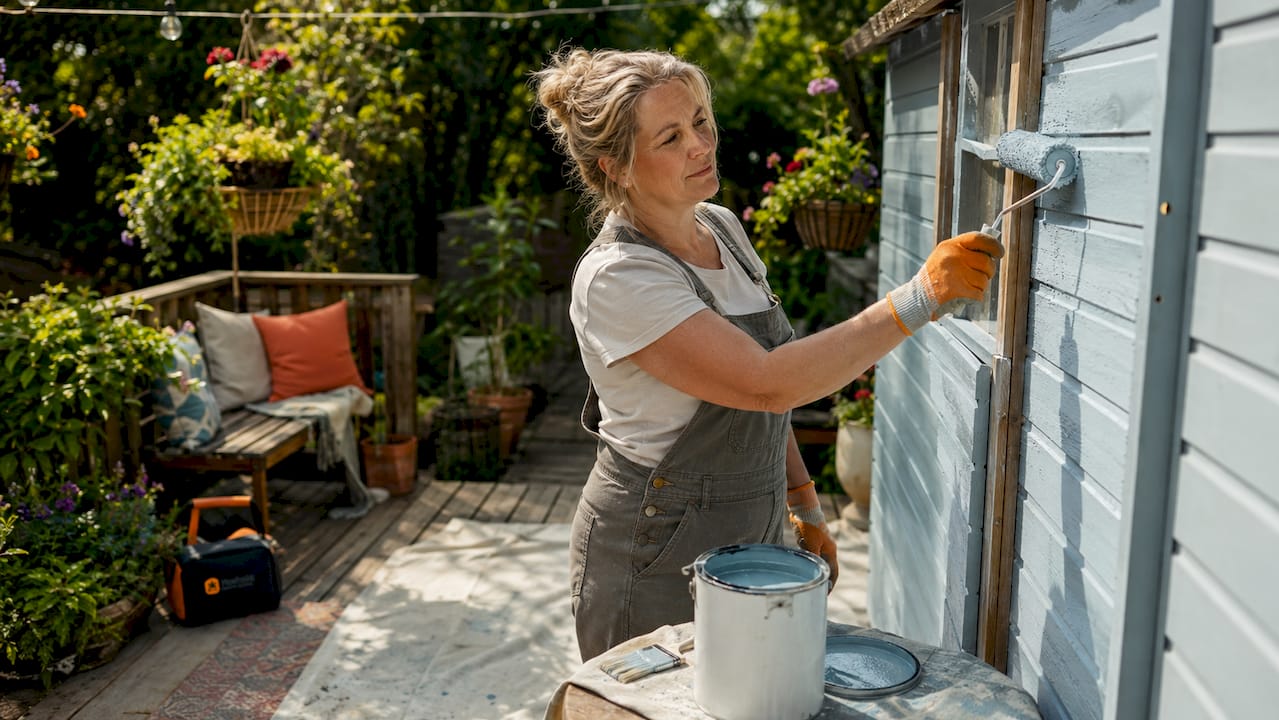
Easy weekend projects are simple home improvements completed within 4–16 hours that raise your home’s comfort, appearance, and long-term value without requiring professional skills. The best projects combine high impact with low cost, making them accessible to any homeowner regardless of experience. Workbenchguide categorizes these tasks into three types: aesthetic upgrades, functional repairs, and preventive maintenance. Each type fits neatly into a Saturday or Sunday schedule, and the right mix of all three keeps your home in top shape year-round while cutting the cost of future repairs.
1. What are the best easy weekend projects for homeowners?
The highest-value weekend projects share one trait: they deliver visible results fast. Interior repainting costs $100–$300 per room and takes 4–8 hours. That makes it one of the most cost-effective upgrades you can do in a single day.
Here are the top projects ranked by impact and accessibility:
- Interior repainting. A single gallon of quality paint covers roughly 400 square feet. Stick to neutral tones like warm white or greige to appeal to the widest range of tastes.
- Kitchen hardware upgrades. Swapping cabinet pulls and a faucet costs $200–$800 and takes 2–8 hours. The visual difference is immediate and dramatic.
- Bathroom refresh. Replacing a toilet seat, re-caulking the tub, and updating towel bars runs $150–$400 and fits within one to two days. Bathrooms are high-scrutiny spaces for buyers and guests alike.
- Garage door replacement. This is the single highest-ROI curb appeal project available. A garage door replacement delivers a 268% return on investment at a cost under $5,000. That number puts it ahead of nearly every interior remodel.
- Steel entry door replacement. At roughly $2,435, a new steel entry door returns 216% on investment. It also improves security and energy efficiency at the same time.
Pro Tip: Prioritize projects by impact first, not by what bothers you most. A fresh coat of paint in the living room will impress more people than a perfectly organized closet.
Curb appeal projects consistently outperform major interior remodels on ROI. If you have limited weekends, start outside and work your way in.

2. How to plan and execute weekend projects effectively
Good planning separates a finished project from an abandoned one. The most common reason homeowners quit mid-project is underestimating time or missing a key material. A short planning session on Friday evening prevents both problems.
Follow these steps before you pick up a single tool:
- Define the project scope. Write down exactly what done looks like. “Paint the bedroom” is vague. “Two coats on all four walls, trim excluded” is a project.
- Estimate time honestly. Double your first guess. First-time tasks always take longer than expected due to prep, cleanup, and small mistakes.
- Gather all materials the day before. A mid-project hardware store run kills momentum and adds an hour to any job.
- Lay out your tools. Beginners get the best results when they stick to familiar tools and tasks where mistakes have minimal consequences. Check Workbenchguide’s essential DIY tool kit before buying anything new.
- Set a stopping point. Know in advance what you will do if the project runs long. Leaving a half-painted wall overnight is fine. Leaving a half-removed toilet is not.
- Know when to call a pro. Electrical panel work, load-bearing wall changes, and gas line repairs fall outside safe DIY territory. Stop at the boundary and hire a licensed contractor.
Pro Tip: Batch similar projects together. If you are already painting one room, prep the next room the same weekend. Setup and cleanup time is shared, so you effectively get two projects done in the time of one and a half.
Breaking projects into weekend-sized pieces reduces procrastination and prevents the kind of deferred maintenance that turns a $50 fix into a $500 repair.
3. Which weekend projects prevent costly repairs?
Preventive maintenance is the most financially important category of weekend work. A small task done today eliminates a large bill six months from now. The step-by-step guides at Workbenchguide walk you through each of these tasks in plain language.
The highest-priority preventive tasks include:
- HVAC filter replacement. Monthly filter checks keep your system running efficiently and protect indoor air quality. A clogged filter forces the motor to work harder, shortening its lifespan by years.
- Gutter cleaning. Clogged gutters push water back under your roofline and into your foundation. Clean them every fall and spring. The job takes 1–2 hours and requires only a ladder and gloves.
- Weatherstripping replacement. Worn weatherstripping lets conditioned air escape and drives up energy bills. New foam or rubber strips cost under $20 and install in under an hour per door.
- Window and door caulking. Gaps around frames let in moisture, insects, and drafts. A tube of exterior caulk costs $5 and seals multiple windows. This is one of the highest-return tasks per dollar spent.
- Annual exterior walk-around. Walk the full perimeter of your home once a year. Look for cracked siding, peeling paint, soft wood near the foundation, and any gaps where pests could enter. Catching these early costs almost nothing to fix.
- Smoke and carbon monoxide detector testing. Test every detector monthly. Replace batteries annually. Replace the full unit every 10 years. This task takes five minutes and is non-negotiable.
A full home maintenance checklist from Workbenchguide organizes these tasks by month so nothing gets missed. Consistent upkeep is the single most effective way to protect your home’s value over time.
4. Creative and fun weekend projects to refresh your living space
Not every weekend project needs to be about maintenance. Some of the most satisfying work is purely aesthetic. Painting an accent wall, installing floating shelves, or upgrading lighting can transform a room’s feel in 2–4 hours for $50–$300.
These projects deliver outsized visual impact relative to their cost:
- Accent wall painting. Pick one wall in a living room or bedroom and paint it a bold or contrasting color. The effect is dramatic, and the cost is one quart of paint plus an afternoon.
- Floating shelves. A set of three floating shelves adds storage and visual interest to any blank wall. Installation takes about two hours with a drill, a level, and wall anchors.
- Lighting upgrades. Swapping a dated overhead fixture for a modern pendant or semi-flush mount changes the entire character of a room. Most fixture swaps take under an hour with a voltage tester and basic wiring knowledge.
- Indoor plants and planters. Adding greenery improves air quality and makes a space feel alive. Group three plants of varying heights in a corner for an immediate design upgrade.
- Cabinet painting. Kitchen cabinets do not need replacing to look new. Sanding, priming, and painting them in a fresh white or navy takes a full weekend but costs a fraction of new cabinetry.
Starting with one project at a time builds momentum and keeps the work enjoyable. Tackling too many aesthetic projects at once leads to half-finished rooms and lost motivation.
Key takeaways
The most effective weekend projects combine quick execution, clear visual results, and preventive value to protect your home and your budget.
| Point | Details |
|---|---|
| Start with high-ROI projects | Curb appeal upgrades like garage doors return over 200% and take one weekend. |
| Plan materials the day before | Missing supplies mid-project wastes time and kills momentum. |
| Prioritize preventive tasks | Monthly HVAC filter checks and annual exterior inspections prevent expensive repairs. |
| Batch similar projects | Combining two paint jobs in one weekend cuts setup and cleanup time significantly. |
| Know your limits | Stop at electrical, gas, and structural work. Call a licensed contractor for those tasks. |
What I have learned from years of weekend projects
The case for starting smaller than you think you should
Every homeowner I have talked to has made the same mistake at least once: picking a project that was just slightly too big for a weekend. The result is a half-finished room that sits untouched for three months and quietly drains motivation for every future project.
The fix is simple but counterintuitive. Pick a project that feels almost too easy. Finish it completely. The satisfaction of a done project is more powerful than any productivity tip I know. It creates a pull toward the next one.
I have also noticed that categorizing tasks by time and impact changes how you feel about home maintenance entirely. When you see a list of 30-minute tasks separate from a list of full-day tasks, you stop avoiding the list. You just pick the right task for the time you have.
The homeowners who maintain their properties best are not the ones with the most skill. They are the ones who show up consistently. A weatherstripping replacement in october and a gutter cleaning in november add up to thousands of dollars in avoided repairs over a decade. That math is hard to argue with.
My honest advice: use a checklist, keep it visible, and treat each weekend project as a small investment in a home you will be glad you took care of.
— Sean
Workbenchguide makes weekend projects easier to plan and track
Workbenchguide gives homeowners a single place to organize every project, maintenance task, and repair on their list. The platform includes step-by-step DIY guides, monthly and annual maintenance schedules and checklists, and contractor referrals for the jobs that go beyond DIY. You can sort tasks by time, cost, and priority so you always know what to tackle next. Whether you are planning a full weekend of upgrades or just a quick Saturday fix, Workbenchguide keeps you organized and on track. Check out the full range of DIY project ideas to find your next project.
FAQ
How long do easy weekend projects typically take?
Most easy weekend projects take 2–8 hours. Larger tasks like a full room repaint or cabinet refresh may stretch across one to two days.
What is the highest-ROI weekend project for homeowners?
Garage door replacement delivers a 268% return on investment, making it the top-ranked curb appeal project by ROI. Steel entry door replacement follows at 216%.
How do I avoid running out of time on a weekend project?
Double your initial time estimate and gather all materials the day before you start. Setting a clear stopping point in advance also prevents projects from running into the work week.
Which preventive maintenance tasks should I do every month?
Replace or inspect your HVAC filter every month. Test smoke and carbon monoxide detectors monthly as well. These two tasks take under 10 minutes combined and protect both your home and your family.
Do I need special tools to start simple DIY projects?
Most beginner projects require only a drill, a level, a paintbrush, and basic hand tools. Workbenchguide’s essential home tool kit guide lists exactly what to own before starting your first project.
Leave a Reply