
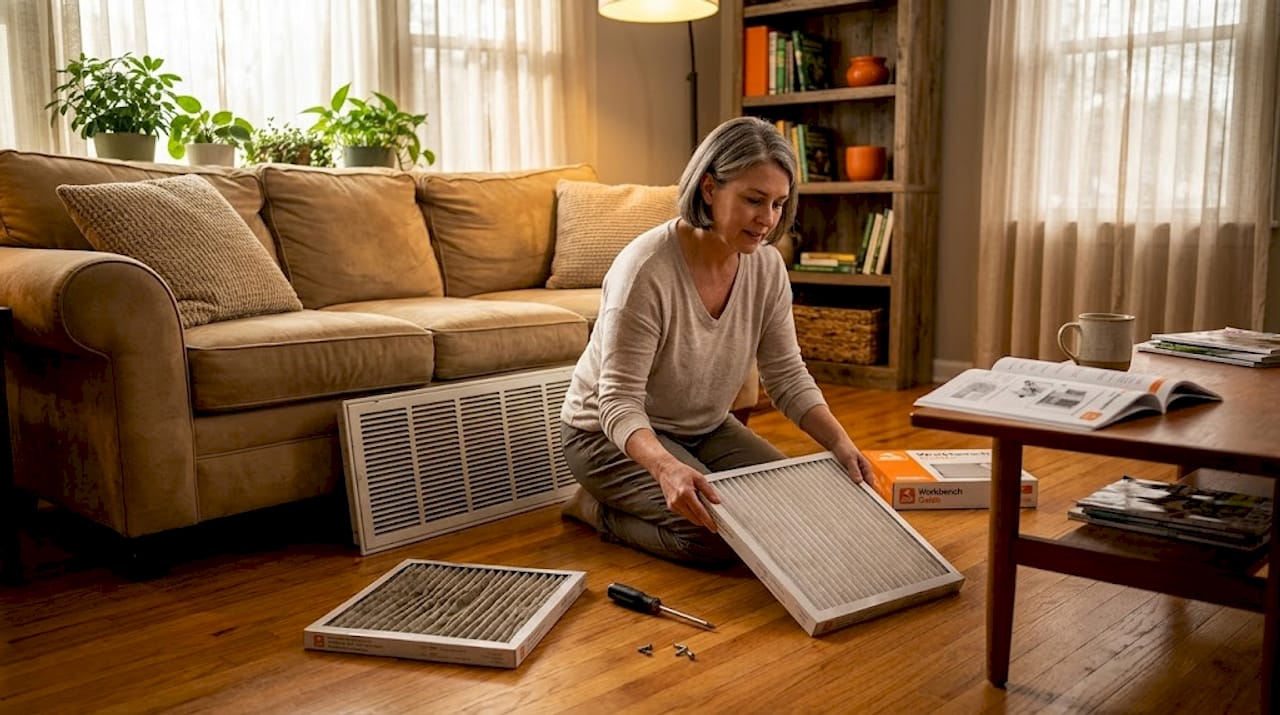
Most homeowners assume that understanding what is HVAC efficiency means memorizing a few numbers on a spec sheet. In reality, that rating on the label tells you less than half the story. Your actual energy bills and home comfort depend on a whole system working together, not just the appliance’s advertised score. This guide breaks down what the ratings actually mean, why real-world performance often falls short of those numbers, and what you can do right now to close that gap without necessarily buying new equipment.
Table of Contents
- Key takeaways
- What is HVAC efficiency and how is it measured?
- What actually affects your system’s real-world performance
- How to improve HVAC efficiency without replacing the system
- When upgrading to high-efficiency equipment actually makes sense
- My honest take on where homeowners go wrong
- Get more from your HVAC system with Workbenchguide
- FAQ
Key takeaways
| Point | Details |
|---|---|
| Ratings are just a starting point | SEER, HSPF, and AFUE scores reflect lab conditions, not the real performance of your installed system. |
| System factors matter as much as equipment | Dirty filters, leaky ducts, and poor insulation can cancel out gains from a high-efficiency unit. |
| Maintenance beats replacement for most homes | Regular upkeep can restore 15 to 25% of lost efficiency before you spend a dollar on new equipment. |
| Upgrade payback depends on your climate | Moving from 16 to 20+ SEER2 costs thousands more upfront with a 10 to 15 year payback period. |
| Easy wins exist right now | Smart thermostats and duct sealing are low-cost improvements that deliver measurable savings quickly. |
What is HVAC efficiency and how is it measured?
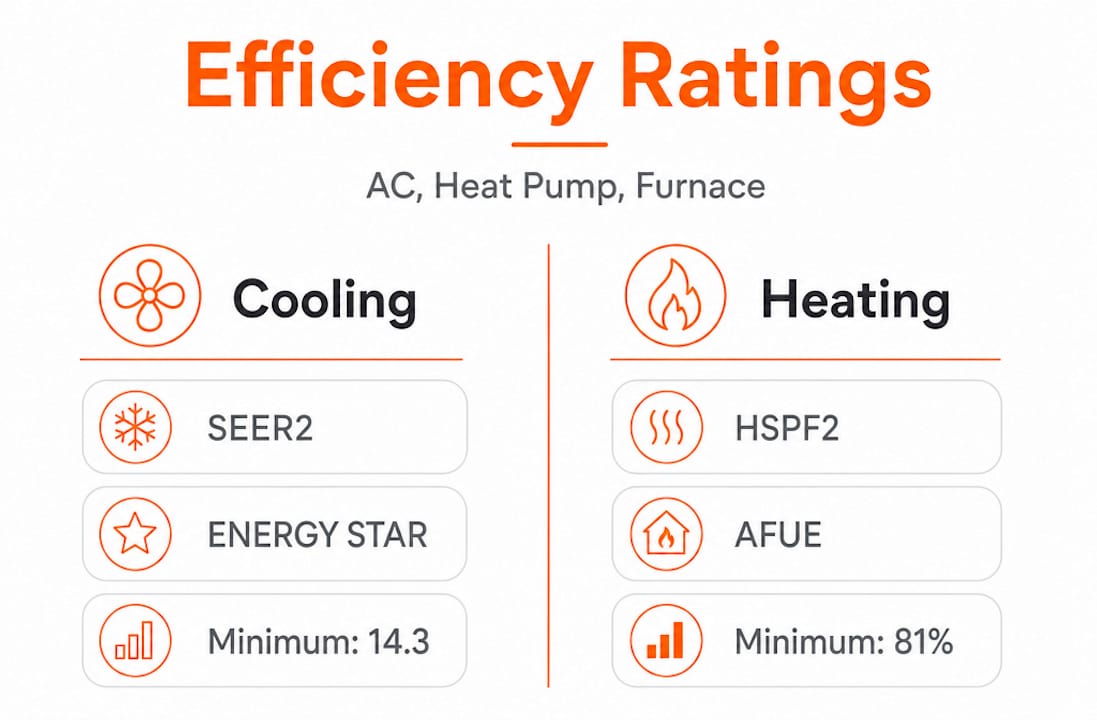
HVAC system efficiency is a measure of how much useful heating or cooling your system produces for every unit of energy it consumes. The higher the ratio, the less electricity or fuel your system burns to reach your target temperature. SEER, EER, and HSPF are the primary metrics for cooling and heat pump systems, while AFUE handles gas and oil furnaces.
Here is what each rating actually tells you:
- SEER2 (Seasonal Energy Efficiency Ratio 2): Measures how efficiently a central air conditioner or heat pump cools your home over an entire season. Think of it like miles per gallon averaged across a year of driving, not just on the highway.
- EER (Energy Efficiency Ratio): Measures cooling efficiency at a single, fixed outdoor temperature (typically 95°F). It reflects peak-day performance rather than seasonal averages.
- HSPF2 (Heating Seasonal Performance Factor 2): Applies to heat pumps in heating mode. HSPF2 measures BTU output divided by watt-hours consumed over a season, with higher numbers meaning less electricity used per unit of heat delivered.
- AFUE (Annual Fuel Utilization Efficiency): Expressed as a percentage, this tells you how much of your furnace’s fuel becomes actual heat. An 80% AFUE furnace loses 20 cents of every energy dollar up the flue.
| Rating | System type | What it measures | Minimum standard | ENERGY STAR threshold |
|---|---|---|---|---|
| SEER2 | Central AC / heat pump | Seasonal cooling efficiency | 13.4 (north), 14.3 (south) | ≥ 15.2 |
| EER | Room AC / central AC | Peak cooling efficiency | Varies by unit size | Varies |
| HSPF2 | Heat pump | Seasonal heating efficiency | ≥ 7.5 | ≥ 7.8 (split systems) |
| AFUE | Gas / oil furnace | Annual fuel conversion rate | 80% (most regions) | ≥ 95% |
SEER2 minimum standards vary by region and were updated for 2023 and again for 2026, so older equipment installed even a few years ago may already fall below current baselines. If you are shopping for new equipment, ENERGY STAR certification is the clearest signal that a unit clears the bar.
What actually affects your system’s real-world performance
This is where most homeowners get surprised. You can install a top-rated, high-SEER unit and still see disappointing energy bills if the rest of your system has problems. System performance depends on the weakest component. A high-efficiency heat pump paired with leaky ducts performs no better than a mid-grade system running through airtight ones.
Here are the most common efficiency killers hiding in plain sight:
- Dirty filters: A clogged filter forces your blower to work harder, increases energy consumption, and reduces airflow to your living spaces. Filters should typically be replaced every one to three months depending on the type and your household.
- Leaky ductwork: Gaps, loose connections, and unsealed joints in your duct system can bleed up to 30% of conditioned air into your attic or crawlspace before it reaches a single room. That is conditioned air you paid for heating or cooling empty space.
- Poor attic or wall insulation: Even a perfectly tuned system fights a losing battle against a poorly insulated envelope. Heat moves through walls and ceilings constantly, forcing your system to run longer cycles.
- Outdated or manual thermostats: A traditional thermostat set once and forgotten wastes energy during empty hours and overnight without any intelligence to adjust.
- Oversized equipment: Contractors often oversize systems by 50% to 100% to avoid callbacks. The result is short-cycling, where the unit turns on, quickly hits the thermostat setpoint, shuts off, and repeats. Short-cycling wastes energy, causes humidity problems, and shortens equipment life.
Pro Tip: Never seal duct leaks with standard cloth “duct tape” from the hardware store. It fails within a year under heat and vibration. Use mastic sealant or UL-listed foil tape for joints that stay airtight for decades.
Duct sealing deserves special attention because it is consistently underestimated. Proper sealing can prevent up to 30% of conditioned air loss, which is a larger efficiency gain than jumping one or two SEER ratings on a new unit.

How to improve HVAC efficiency without replacing the system
The good news is that most homes have substantial efficiency gains available before anyone needs to talk about replacement. Fixing fundamental issues like dirty filters and duct leaks provides faster and more economical efficiency gains than buying new equipment. Here is a practical sequence to follow:
- Change the air filter. Start with the most overlooked task. A fresh filter immediately restores airflow and reduces strain on the blower motor. Set a recurring reminder in your phone or on a home maintenance platform.
- Schedule a professional coil cleaning. Dirty evaporator and condenser coils reduce heat transfer efficiency significantly. Regular maintenance restores 15 to 25% of lost efficiency in neglected systems.
- Seal duct leaks. Walk your attic or basement and look for disconnected flex duct, gaps at registers, and loose connections at the air handler. Apply mastic sealant at joints and use UL-listed foil tape for seams.
- Install a smart thermostat. Devices with adaptive scheduling and occupancy sensing cut HVAC energy use by 10 to 20% by eliminating heating and cooling during hours when nobody is home. Most pay for themselves within a year.
- Check refrigerant levels. Low refrigerant does not just affect cooling output. It forces the compressor to work overtime and can lead to compressor failure. This step requires a licensed technician.
- Add attic insulation if it is below current standards. The Department of Energy recommends R-38 to R-60 for most attic floors in the U.S. Topping up insulation is one of the highest-return investments in home energy efficiency.
- Consider HVAC zoning if you have unused rooms. Directing conditioned air only where it is needed reduces runtime and energy consumption. Read more about how zoning boosts efficiency before deciding if it fits your home.
Pro Tip: Before calling for refrigerant service, check that all registers are open and that furniture or rugs are not blocking return air vents. Restricted airflow mimics low refrigerant symptoms and wastes a service call.
When upgrading to high-efficiency equipment actually makes sense
At some point, maintenance and repairs hit diminishing returns. Understanding where that threshold sits will save you from both premature replacement and throwing money at a failing system.
The clearest financial decision tool is the $5,000 rule. Multiply your system’s age by the repair cost. If the result exceeds $5,000, replacement is typically the smarter investment. A 12-year-old system needing a $500 repair scores 6,000, which suggests it is time to start planning for replacement rather than continuing to patch it.
When you do reach that point, efficiency upgrade math deserves careful attention. Moving from 14.3 to 16 SEER2 saves roughly 10% on cooling costs annually. That is real money and the payback period is usually reasonable. Jumping from 16 to 20+ SEER2 can save another 20%, but the upfront premium runs $2,000 to $4,000 more with a payback stretching 10 to 15 years.
| Upgrade scenario | Estimated annual savings | Additional upfront cost | Approximate payback |
|---|---|---|---|
| 13 to 14.3 SEER2 (code minimum) | Baseline | Baseline | N/A |
| 14.3 to 16 SEER2 | ~10% cooling cost reduction | $500 to $1,000 | 3 to 6 years |
| 16 to 18 SEER2 | ~12% additional savings | $1,000 to $2,000 | 6 to 10 years |
| 18 to 20+ SEER2 | ~8% additional savings | $2,000 to $4,000 | 10 to 15 years |
Climate matters significantly here. If you live in Phoenix and run the AC nine months a year, a higher SEER2 unit pays back faster than the same unit in Minneapolis. Your annual HVAC service records can also reveal how much efficiency your current system has already lost, which sharpens the repair vs. replace calculation.
The 2026 ENERGY STAR heat pump updates raised the bar for certification, and federal tax credits under the Inflation Reduction Act still apply to qualifying high-efficiency heat pumps. These incentives can shift the payback calculation meaningfully, so check eligibility before purchasing.
My honest take on where homeowners go wrong
I have talked with dozens of homeowners who bought 20+ SEER2 systems and then called wondering why their bills barely budged. Every single time, the culprit was the same: they upgraded the equipment without touching the ductwork, insulation, or controls. They paid premium prices for efficiency that the rest of their system was physically incapable of delivering.
The rating on the box describes potential, not guarantee. In my experience, a 16 SEER2 unit in a tight, well-insulated, properly ducted home outperforms a 20 SEER2 unit in a leaky one every time. The obsession with chasing the highest efficiency number is understandable, but it skips the most important question: is your home ready to take advantage of it?
What I have found actually works is a sequenced approach. Fix the envelope first. Seal the ducts. Add insulation. Then address controls with a smart thermostat. Only after that should you seriously consider upgrading the mechanical equipment. This order is not just logical. It saves real money because each upstream fix reduces the size and cost of the equipment you end up needing.
The other overlooked area is maintenance frequency. Most homeowners change filters once a year, if that. I would argue that filter changes every 60 days, combined with one professional tune-up annually, deliver more consistent comfort and savings than a rating bump from 16 to 18 SEER2 ever will.
— Sean
Get more from your HVAC system with Workbenchguide
Understanding efficiency ratings is a great start. Putting that knowledge into a consistent maintenance routine is where the real savings show up on your bills. Workbenchguide is built exactly for that. The platform gives you step-by-step HVAC maintenance guides, seasonal checklists, and smart reminders so nothing gets skipped between tune-ups.
Whether you want a full year-round maintenance checklist or guidance on when to call a contractor instead of going DIY, Workbenchguide keeps it organized and simple. You can track tasks, set reminders, and know exactly what to do next. The homeowners who see the biggest efficiency gains are not always the ones with the newest equipment. They are the ones who actually stay on top of upkeep. Start building that habit at workbenchguide.com.
FAQ
What does SEER2 mean for my energy bill?
SEER2 measures how efficiently your cooling system runs across an entire season. A higher SEER2 number means lower electricity consumption for the same amount of cooling, which translates directly to lower monthly bills.
How do I know if my HVAC system is running efficiently?
Signs of an efficient system include consistent temperatures across rooms, humidity levels between 30 and 50%, steady energy bills month over month, and cycles that run for 10 to 15 minutes rather than turning on and off every few minutes.
What is the quickest way to improve HVAC efficiency?
Replacing a dirty air filter and sealing visible duct leaks with mastic or UL-listed foil tape are two of the fastest improvements, often restoring measurable efficiency without any professional service call.
When should I replace my HVAC system instead of repairing it?
Use the $5,000 rule: multiply the system’s age in years by the cost of the current repair. If the result exceeds $5,000, replacement typically delivers better long-term value than continued repairs.
Does a higher SEER rating always mean better savings?
Not necessarily. A high-SEER unit in a home with leaky ducts or poor insulation will underperform its rating. Fixing the supporting system first, including sealing ducts and improving insulation, is what allows a high-efficiency unit to actually deliver its rated performance.