
Preventive maintenance is defined as scheduled, routine upkeep performed on home systems and appliances before failures occur. The benefits of preventive maintenance include direct cost savings, longer equipment life, fewer emergency repairs, and lower utility bills. The U.S. Department of Energy estimates 12–18% annual cost savings with preventive programs over reactive approaches. For homeowners and property managers, that difference compounds every year you stay ahead of breakdowns instead of chasing them.
1. What are the real cost savings from preventive maintenance?
Reactive repairs cost 3–5 times more per incident than planned maintenance due to emergency parts, overtime labor, and collateral damage. That means a $200 scheduled service call can prevent a $600 to $1,000 emergency repair. The math is not subtle.
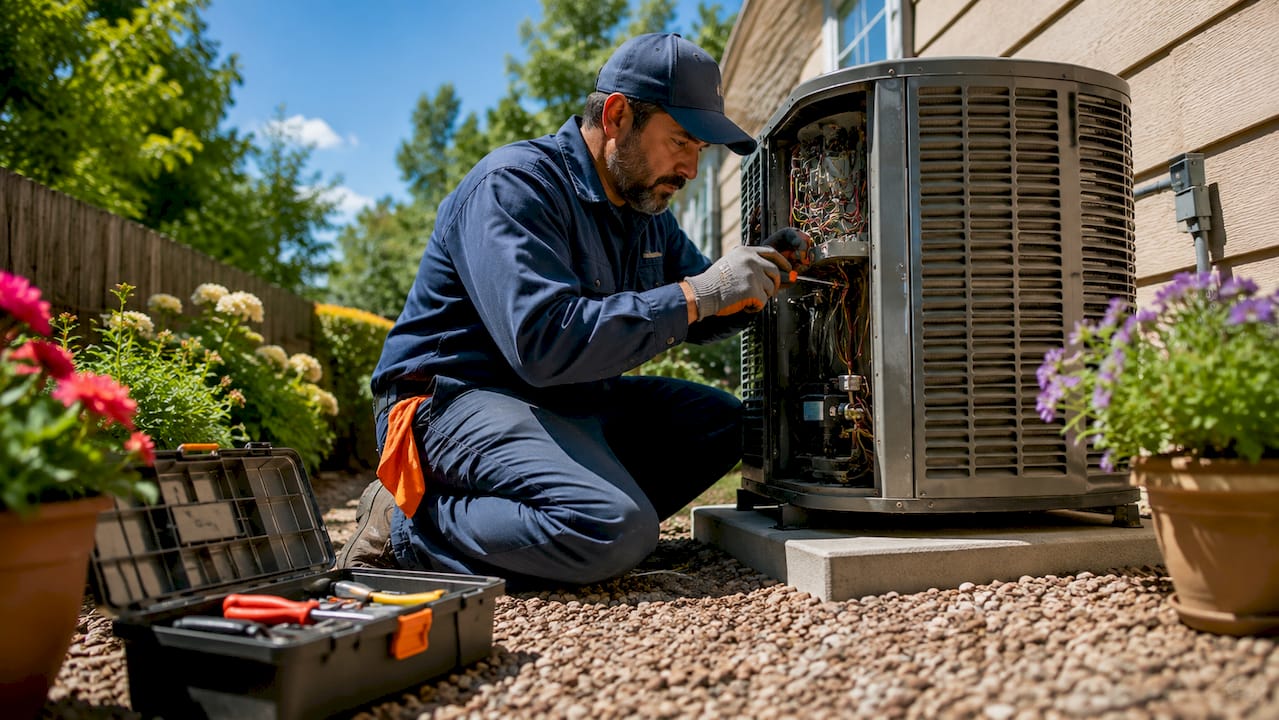
Preventive maintenance programs deliver 12–18% direct maintenance cost savings versus reactive approaches. That percentage may sound modest, but applied across HVAC systems, plumbing, roofing, and electrical panels over a decade, the savings are substantial.
The hidden cost problem makes this worse. Invisible costs of reactive repairs like production losses, secondary damage, and emergency callouts rarely show up on a single invoice. They get absorbed across multiple bills, making reactive maintenance look cheaper than it actually is.
- Scheduled service eliminates overtime labor premiums
- Planned parts orders cost less than emergency sourcing
- Secondary damage (a burst pipe flooding drywall) is avoided entirely
- Budget forecasting becomes predictable rather than crisis-driven
Pro Tip: Track your emergency callout frequency each quarter. If it rises, your preventive schedule has gaps. Tracking this single KPI justifies preventive budgets to skeptical landlords or HOA boards better than any argument.
2. How preventive maintenance extends the life of home systems
Regular servicing prevents the gradual wear that shortens asset life. Preventive maintenance extends equipment lifespan by 20–40% compared to run-to-failure approaches. For a $5,000 HVAC unit, that difference can mean 4–6 additional years of service before replacement.
The systems that benefit most in a typical home include:
- HVAC units: Filter changes, coil cleaning, and refrigerant checks keep compressors from overworking
- Water heaters: Annual flushing removes sediment that forces heating elements to work harder
- Electrical panels: Periodic inspections catch loose connections before they cause fires or failures
- Plumbing: Drain cleaning and pressure checks prevent pipe corrosion and joint failures
Property value is a direct beneficiary of this discipline. Detailed maintenance logs provide audit trails that prove the condition and care of property assets to prospective buyers. A home with documented service records sells faster and at a higher price than one with a mystery history. Learn more about appliance longevity strategies that apply this principle to specific household systems.
3. How preventive maintenance reduces unexpected downtime
Preventive maintenance reduces unplanned downtime by 25–50%. For a property manager, that number translates directly into fewer tenant complaints, fewer emergency contractor calls at 11 p.m., and more stable rental income.
Downtime in a home or rental property is not just inconvenient. A failed furnace in January, a broken water heater in a multi-unit building, or a malfunctioning sump pump before a rainstorm all carry real financial and reputational costs.
Moving from reactive to planned maintenance stabilizes labor costs and improves occupant satisfaction by eliminating emergency disruptions. Technicians work scheduled hours instead of scrambling, which also reduces turnover. A stable maintenance team performs better work.
Pro Tip: Prioritize maintenance by asset criticality. Your HVAC system and water heater affect daily habitability. Your garage door opener does not. Focus your annual HVAC service schedule on the systems that cause the most disruption when they fail.
4. Energy efficiency gains from regular upkeep
Proper maintenance keeps HVAC and electrical systems operating within manufacturer specifications. When systems drift outside those specs due to dirty filters, worn belts, or corroded contacts, they consume more energy to deliver the same output. Neglected systems can lose up to 20% of operational output due to wear or inefficiency.
That 20% loss shows up directly on your utility bill every month. A well-maintained central air system uses significantly less electricity than one running with a clogged filter and low refrigerant.
Here are the highest-impact maintenance tasks for energy savings:
- Replace HVAC filters every 1–3 months depending on usage and air quality
- Clean condenser and evaporator coils annually before cooling season
- Seal duct leaks, which can waste 20–30% of conditioned air in unconditioned spaces
- Flush water heater sediment annually to maintain heating efficiency
- Check weatherstripping on doors and windows each fall before heating season
- Inspect attic insulation every few years to confirm R-value is maintained
- Test thermostat calibration to prevent over-cycling
Regular air conditioning service addresses most of these points in a single annual visit. Pairing that with a home efficiency checklist helps you catch the gaps between professional visits.
5. Safety improvements that come with scheduled maintenance
Preventive maintenance is one of the most underrated safety tools a homeowner has. Electrical fires, carbon monoxide leaks, and structural failures rarely announce themselves. They develop slowly through deferred maintenance and missed inspections.
A scheduled inspection of your electrical panel catches loose connections before they arc. Annual chimney cleaning removes creosote buildup that causes chimney fires. HVAC tune-ups include heat exchanger checks that detect carbon monoxide risks before they become emergencies.
Preventive maintenance is better viewed as a risk management strategy rather than just a cost center. Framing it that way changes how you prioritize it in your budget. You do not skip your car’s brake inspection to save money. The same logic applies to your home’s critical systems.
6. How preventive maintenance improves budgeting and financial planning
One of the most practical advantages of regular maintenance is budget predictability. Reactive repairs are financially random. A water heater fails, a roof leaks, a furnace dies. Each event hits without warning and demands immediate cash.
Preventive maintenance converts those random shocks into scheduled line items. You know the HVAC service costs $150 in spring. You know the roof inspection costs $200 every two years. You can plan for those expenses the same way you plan for property taxes.
Tracking KPIs like emergency callouts helps justify preventive budgets and reveals where deferred maintenance is accumulating risk. Property managers who present this data to owners or boards gain approval for maintenance spending far more easily than those who show up with surprise repair invoices.
7. Preventive vs. reactive maintenance: side-by-side comparison
The difference between these two approaches becomes clear when you compare them across the factors that matter most to homeowners and property managers.
| Factor | Preventive maintenance | Reactive maintenance |
|---|---|---|
| Cost per incident | Planned, lower cost | 3–5x higher due to emergency rates |
| Downtime | Reduced by 25–50% | Unpredictable, often extended |
| Equipment lifespan | Extended by 20–40% | Shortened by cumulative wear |
| Energy efficiency | Systems run at full spec | Up to 20% output loss |
| Safety risk | Proactively identified | Discovered after failure |
| Budget predictability | Scheduled, foreseeable | Random, crisis-driven |
| Occupant satisfaction | High, fewer disruptions | Low, frequent emergencies |
The data makes a consistent case. Preventive maintenance wins on every dimension that affects long-term home value and livability. The only argument for reactive maintenance is lower upfront cost, and that argument collapses once you account for the full cost of a single major failure.
Key takeaways
Preventive maintenance delivers measurable advantages across cost, safety, energy efficiency, and property value that reactive repairs cannot match.
| Point | Details |
|---|---|
| Cost savings are significant | Preventive programs save 12–18% annually versus reactive approaches. |
| Equipment lasts longer | Regular servicing extends system lifespan by 20–40% across HVAC, plumbing, and electrical. |
| Downtime drops sharply | Scheduled maintenance reduces unplanned failures by 25–50%. |
| Energy bills decrease | Well-maintained systems avoid up to 20% output loss from wear and inefficiency. |
| Budgeting becomes predictable | Planned maintenance replaces random repair shocks with foreseeable scheduled costs. |
Why I stopped thinking of maintenance as a chore
I used to treat home maintenance the way most people do: something you do after something breaks. The furnace dies in February, you call someone. The water heater starts making noise, you wait and hope. That approach is exhausting and expensive, and I learned that the hard way.
The shift that changed everything was treating maintenance as a risk management decision rather than a cost. Once I started scheduling annual HVAC service, flushing the water heater every fall, and walking the roof after major storms, the emergency calls stopped. Not completely, but dramatically. My repair spending dropped, and more importantly, I stopped dreading what might break next.
The psychological benefit is real and underrated. Knowing your systems are in good shape is worth something beyond the dollars saved. For property managers, that calm extends to your tenants and your bottom line. A structured preventive maintenance approach does not require a large budget. It requires consistency and a good checklist.
The one thing I would tell any homeowner starting out: do not try to maintain everything equally. Focus on asset criticality. The systems that affect daily habitability and carry the highest replacement cost deserve the most attention first.
— Sean
Start your preventive maintenance plan with Workbenchguide
Workbenchguide gives homeowners and property managers the tools to stop reacting and start planning. The platform includes step-by-step DIY guides, smart maintenance reminders, and task tracking so nothing falls through the cracks. You can use the year-round maintenance checklist to build a complete schedule for every season, covering HVAC, plumbing, electrical, roofing, and more. Whether you manage one home or multiple properties, Workbenchguide keeps your maintenance organized, your budget predictable, and your systems running the way they should. Visit Workbenchguide to get started today.
FAQ
What are the main benefits of preventive maintenance for homeowners?
The main benefits include 12–18% cost savings over reactive repairs, equipment lifespan extension of 20–40%, reduced unplanned downtime, lower utility bills, and improved home safety. These advantages compound over time as systems stay in better condition.
How much does preventive maintenance actually save?
Reactive repairs cost 3–5 times more per incident than planned maintenance. The U.S. Department of Energy estimates annual savings of 12–18% for homes and properties that follow a preventive maintenance schedule.
How often should home systems be serviced?
HVAC systems need service at least once a year, ideally before each heating and cooling season. Water heaters, electrical panels, and plumbing should be inspected annually, while filters and weatherstripping require more frequent attention every 1–3 months.
Does preventive maintenance increase property value?
Detailed maintenance logs prove the condition and care of property assets to prospective buyers. Homes with documented service records reduce buyer concerns about hidden failures and typically sell faster and at stronger prices.
What is the difference between preventive and reactive maintenance?
Preventive maintenance is scheduled upkeep performed before failures occur. Reactive maintenance addresses problems after they happen. Preventive approaches cost significantly less per incident, extend equipment life, and keep systems running efficiently, while reactive repairs are unpredictable and far more expensive.