
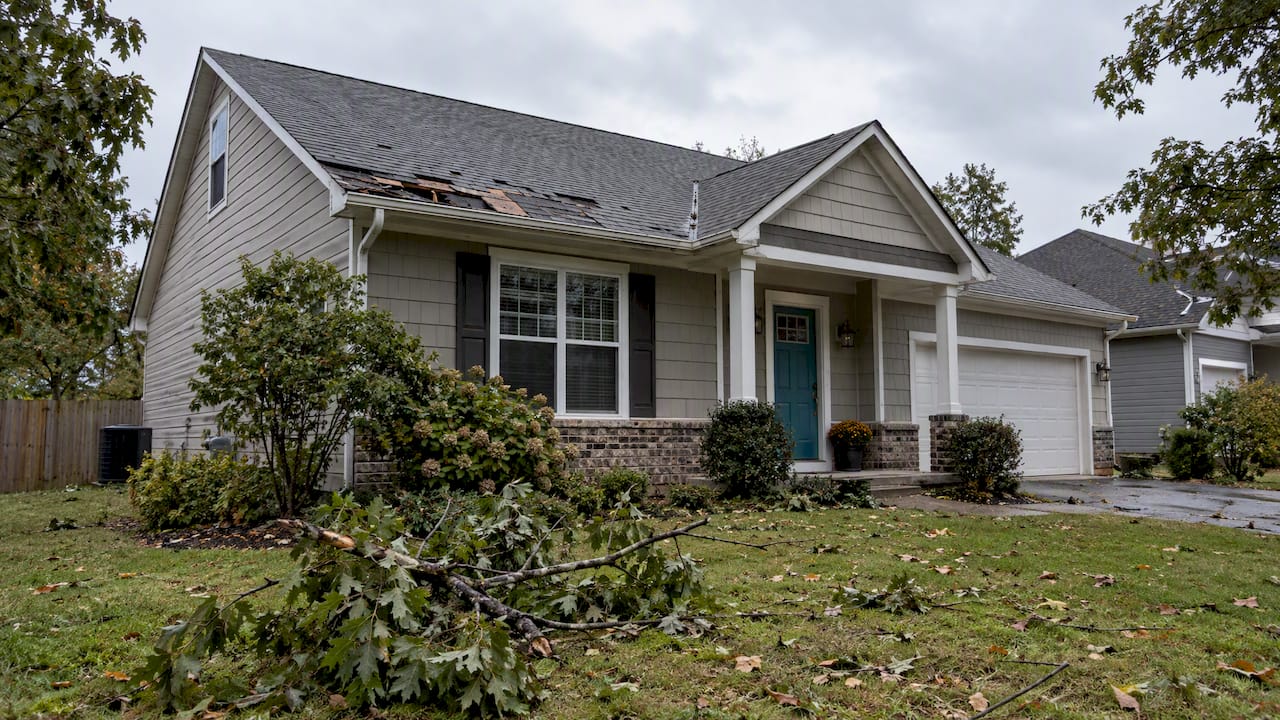
After a storm, the order you do things in matters as much as the things themselves. Make sure it is safe to be near the house, walk the outside, look inside, photograph everything before you clean up, stop further damage with simple temporary fixes, and call your insurer early. This checklist walks through each stage, flags the jobs that belong to a licensed professional, and shows how to keep the paperwork organized so a claim goes smoothly.
TL;DR
- Safety comes first: do not go in until officials say it is safe, and never enter if you smell gas or floodwater surrounds the building.
- Inspect from the outside first, then inside, and photograph and video damage before you move or throw anything away.
- Limit further damage with boarding, tarps and debris cleanup, and keep every receipt. Leave electrical, gas, structural and HVAC problems to professionals.
- Tell your insurer promptly. You do not need to wait for anyone else’s inspection to start.
- Keep photos, lists, receipts and notes in one place so nothing is lost when you need it.
Table of Contents
- Start with safety, not damage
- Outside walk-around checklist
- Inside checklist
- Document everything before you clean up
- Stop further damage, safely
- Call your insurer early
- What to leave to professionals
- Our perspective: damage is easier when the home is already documented
- Keep your storm records in one place
- After the storm: a quick recovery sequence
- FAQ
- Sources
Start with safety, not damage
The storm may be over, but the danger is not. NOAA points out that nearly half of hurricane fatalities happen after the storm, so clear skies are not a signal that things are safe. The same page advises returning only when officials say it is safe, and checking with local officials both where you are staying and back home before you travel.
Before you touch anything, run through these checks:
- Check people first. Ready.gov puts family health and safety first, including checking for injuries and getting medical care when needed.
- Do not enter if you smell gas, floodwater is still around the building, or authorities have not declared the area safe, according to the same Ready.gov guidance.
- Stay out of floodwater. The CDC says it may contain germs, chemicals, waste, animals and downed power lines, and warns against driving through flooded areas.
- Treat downed lines as live. Stay well clear of any wire on the ground or hanging from a tree, and report it to your utility.
- Watch for the building itself. NOAA says to walk carefully around the outside and to leave if you notice the structure shifting or making unusual noises.
If you doubt that the house is sound, Ready.gov recommends having a qualified building inspector or structural engineer look at it before you go in. The CDC goes further: a home with obvious damage such as downed lines, downed trees, or cracks in walls or the foundation should not be entered until a professional inspects it.
Outside walk-around checklist
Once the property is safe to approach, do a slow lap of the house. NOAA suggests looking from the outside for loose power lines, gas leaks, structural damage, nails, glass, and any sign of shifting. Wear closed, thick-soled shoes and gloves, because storm debris hides nails and broken glass. Carry a phone for photos and a notepad or notes app for a running list.
Work from the top down, since damage up high is what causes the water inside later.
Roof and chimney
Look for missing, curled or torn shingles, exposed underlayment, dented or bent flashing, and damaged roof vents or chimney caps. You can learn a lot without climbing: binoculars from the ground cover most of it, and roof damage signs you can spot from the ground are worth reviewing before you decide whether to call a roofer. Never walk a wet or storm-damaged roof yourself. Our roof inspection guide explains what each type of damage looks like and what it usually means.
Gutters, fascia and soffits
Check for gutters that are dented, pulled away from the house, or packed with leaves and branches. Loose fascia and soffits let wind-driven rain into the attic, so look for gaps and hanging pieces.
Siding, windows and doors
Walk each wall and look for cracked, dented or missing siding, and for holes left by hail or flying debris. Check windows for cracked panes, torn screens and failed weather stripping, and make sure doors still open, close and latch properly. A door that suddenly sticks can point to a shifted frame.
Foundation, grade and drainage
Look around the base for new cracks, soil that has washed away, or standing water that is pooling against the wall. Our guide to why foundation cracks matter helps you tell cosmetic hairlines from the kind that need an engineer.
Trees, fences, decks and outbuildings
Note any limbs resting on the roof or power lines, leaning trees, and uprooted root balls. Check fence sections, gates, deck boards and railings, sheds, and detached garages. If a fence took a hit, this overview of filing a fence insurance claim shows how bids and claims fit together.
Utilities and equipment
Look at the electric meter and service mast, the gas meter, the AC condenser and any propane tank. If anything looks pulled, tilted or damaged, or you smell gas, move away and call the utility or emergency services from a safe distance.
Inside checklist
Only go inside once you have cleared the outside and no one has told you to stay out. Move slowly and look before you touch.
- Ceilings and walls: brown or yellow stains, bulging drywall, drips, or paint that is bubbling. Water often travels, so a stain may sit far from the actual leak.
- Attic: daylight where there should be none, wet insulation, damp roof decking, and dark streaks on rafters. Our attic maintenance checklist covers what normal looks like.
- Floors: soft spots, warped boards, wet carpet, and standing water in the basement or crawl space.
- Windows and doors from the inside: water on sills, fogged panes, and drafts that were not there before.
- Electrical: flickering lights, dead outlets, a buzzing panel, a burning smell. Do not investigate with wet hands or while standing on a wet floor. See our electrical safety checklist for what to look for and what to hand to an electrician.
- Plumbing and appliances: low water pressure, discolored water, a water heater that was submerged, or a furnace and AC that sat in water.
- Smells: gas means leave immediately. A musty smell usually means moisture is already behind a wall or under a floor.
The CDC lists the distinct hazards of re-entry as structural instability, electricity, floodwater, carbon monoxide, contaminated food and water, and mold. Keep that list in mind as you go: a damp, closed-up house can be unhealthy long before it looks ruined.
Document everything before you clean up
Photos are the backbone of a claim, and they are only useful if you take them before the evidence disappears. FEMA advises taking photos and videos before moving, removing or discarding items whenever possible, covering structural damage, standing water levels inside and outside, and damaged contents.
The National Flood Insurance Program adds specifics worth copying. Your pictures should show water levels on walls, furniture and appliances, structural damage to floors, ceilings and foundations, and the serial numbers on damaged electronics and appliances. FEMA also says to photograph make, model and serial numbers, and to keep material samples such as carpet, flooring, wallpaper and drapes for the adjuster.
A simple routine that works:
- Take wide shots of each room or area first, then close-ups of each damaged item.
- Put a tape measure or ruler in frame for hail dents, cracks and water lines.
- Record a slow video walkthrough while narrating what you see and the date.
- Write a loss list as you go: item, age, approximate value, and where you bought it.
- Save material samples and bag them with a label.
- Back up photos to cloud storage the same day, in case your phone is lost or damaged.
The point of all this, in the NFIP’s framing, is to connect the physical damage to the property and to the repair cost. If you had good records before the storm, such as appliance serial numbers, paint colors, roof age and past repairs, claims are far easier to support. If a fence, porch or other structure was damaged, photographing it from several angles before anything is cut away is equally important.
Stop further damage, safely
Your policy generally expects you to protect the property from getting worse, and you can usually do that without waiting for an adjuster. According to a property mitigation guide from Travelers, once you and your family are safe you should photograph the damage first, then make temporary repairs such as boarding windows, tarping roofs, and cleaning up nonhazardous spills or debris. It also says to consult a professional if necessary, stay clear of damaged utility lines, and save repair receipts.
Reasonable temporary fixes
- Board or cover broken windows with plywood or heavy plastic sheeting.
- Cover roof openings with a tarp, if you can do it safely from a ladder at the eave or, better, with a pro. Never work on a wet or steep roof alone.
- Move undamaged belongings away from wet areas, and mop up small amounts of clean water.
- Remove loose, nonhazardous debris, and branches that are not touching power lines.
- Shut off the water at the main if pipes are damaged or leaking.
Our emergency home repairs guide walks through tarping, boarding and shutting off utilities step by step.
Safety rules for the cleanup itself
Two CDC rules prevent many cleanup injuries. First, never use a portable gasoline or coal-burning device such as a generator or camp stove inside a home, basement or garage; keep it outside and at least 20 feet from windows, doors and vents. Second, never turn power on or off, or use a wet electrical tool or appliance, while standing in water. For flood cleanup, the NFIP recommends wearing gloves, goggles and an N-95 mask.
Call your insurer early
Do not wait. FEMA says homeowners should not hold off on filing an insurance claim, starting safe cleanup, photographing damage, making a loss list and keeping receipts until a disaster-assistance inspection takes place. Its guidance on home inspections makes clear that a federal assistance inspection does not replace an insurance inspection and does not give you a reason to delay protecting the property.
Have this ready when you call:
- Your policy number and the address of the damaged property
- The date and type of storm, and what you found
- A short list of damage you have already documented
- Any temporary repairs you have made or plan to make
- Your phone number and a safe place to reach you
Write down the claim number, the name of everyone you speak to, and the date. If a flood adjuster comes out, FEMA says they should show official identification and contact information, explain the claims process, inspect and photograph the loss, discuss coverage and advance payments, and explain next steps. Note that the insurance carrier, not the adjuster, has the authority to approve the claim.
Wind and flood damage are often covered under different policies, so ask your agent which applies to what you found. Do not assume a standard homeowners policy covers rising water.
What to leave to professionals
A checklist is only as good as its stopping points. Hand these to licensed people:
| Situation | Who to call |
|---|---|
| Gas smell, damaged meter or lines | Gas utility or 911, from outside |
| Downed or hanging power lines | Electric utility or 911 |
| Wet panel, damaged wiring, submerged outlets | Licensed electrician, before power is restored |
| Cracks in walls or foundation, shifted frame, sagging roofline | Building inspector or structural engineer |
| Water, HVAC or electrical systems damaged | Licensed repair service |
| Large roof openings, widespread shingle loss | Roofer, ideally after the insurer is notified |
| Mold, sewage or heavy water damage | Remediation contractor |
The NFIP says a qualified expert should inspect before power is restored after flood damage, and that electricity and gas should be turned off before you go inside. FEMA says to contact repair services when electrical, water or HVAC systems are damaged, and to consult the adjuster or insurer before signing an agreement with a cleaning, remediation or maintenance contractor.
Also call your community building department. FEMA advises contacting it and the floodplain administrator about substantial damage, safer repairs and required permits, which can affect how you are allowed to rebuild. If you will need a new roof, our roof replacement checklist shows how to vet contractors, and the same caution applies to door-knockers after a storm: get written estimates, check licensing, and do not sign anything before you have talked to your insurer.
Our perspective: damage is easier when the home is already documented
Most of the stress in storm recovery is not the broken shingle. It is trying to remember when the roof was replaced, what the water heater model is, or where the receipt for last year’s gutter work went, while the adjuster is waiting. Homes that are maintained on a schedule also tend to fare better, because clear gutters, sound flashing and sealed windows give a storm less to work with.
That is why we think of a storm checklist as two lists. One is for the day after, which is what you have just read. The other is for the months before: a home record with photos, serial numbers, service dates and notes, plus a routine of seasonal checks. Our hurricane prep checklist and fall maintenance checklist are built for exactly that. If you do nothing else this season, photograph your home’s exterior and your major appliances’ data plates while everything is intact.
— Sean
Keep your storm records in one place
The hardest part of a claim is often gathering paperwork scattered across a camera roll, an email inbox and a kitchen drawer. WorkbenchGuide lets you store photos and notes against each property, track repairs, and keep home systems and records organized, with reminders so seasonal inspections do not slip. The Homeowner plan is $7 per month or $70 per year, and Owner Plus is $12 per month or $120 per year; see the pricing page for what each tier includes, including multi-property options for landlords and property managers.
After the storm: a quick recovery sequence
If you want the whole checklist on one screen, use this order:
- Confirm officials say it is safe; check people for injuries.
- Stay out if there is gas, floodwater, or structural doubt.
- Walk the exterior and note hazards, from the roof down to utilities.
- Inspect inside carefully, without touching wet electrical items.
- Photograph and video everything before moving anything.
- Make a loss list, and keep samples and serial numbers.
- Make safe temporary repairs and save every receipt.
- Call your insurer, and the building department if damage is major.
- Get professionals for electrical, gas, structural, HVAC and mold issues.
- Update your home maintenance records with what was repaired and when.
It is also worth scheduling a follow-up check two to four weeks later. Moisture trapped behind walls, small roof leaks and loosened flashing often show themselves only after the next rainfall, and early notes make those delayed problems easier to tie back to the storm. Our basement flooding guide and roof maintenance tips help you cut the risk before the next one.
FAQ
How soon after a storm should I inspect for damage?
Only when officials say it is safe to return and the area around the house is free of hazards such as downed lines, gas odors and floodwater. Start with a careful walk around the outside, then move inside. Take photos right away, before cleanup, but never put speed ahead of safety.
Should I take photos before or after I clean up?
Before, whenever you can. FEMA says to photograph and video damage before moving, removing or discarding items. Capture wide and close-up shots, serial numbers on appliances and electronics, and water levels, and keep samples of damaged materials for the adjuster.
Do I need to wait for an adjuster before making repairs?
No, not for temporary protection. Boarding windows, tarping a roof and clearing nonhazardous debris are generally expected, as long as you photograph first and keep receipts. Wait for your insurer’s guidance before permanent repairs or before signing with a remediation contractor.
What damage should I never check myself?
Anything involving gas, downed power lines, wet electrical systems, or a structure that may be unstable. The CDC says a home with downed lines, downed trees or cracks in the walls or foundation should be inspected by a professional before anyone enters. Call the utility, an electrician, or a structural engineer instead.
Is storm damage covered by homeowners insurance?
Wind and hail damage is commonly covered under standard policies, but flood damage usually requires a separate flood policy, and deductibles vary. Read your policy and ask your agent which coverage applies to what you found. Report the loss promptly, whatever you think the outcome will be.
Sources
- Use Caution After Storms, NOAA
- Recovering from Disaster, Ready.gov
- Safety Guidelines: After a Hurricane or Other Tropical Storm, CDC
- Safety Guidelines: Returning Home After a Natural Disaster, CDC
- Document Flood Damage, National Flood Insurance Program
- How Do I Start My Flood Claim?, FEMA
- Home Inspections, FEMA
- Property Mitigation Guidelines, Travelers Insurance
Leave a Reply