
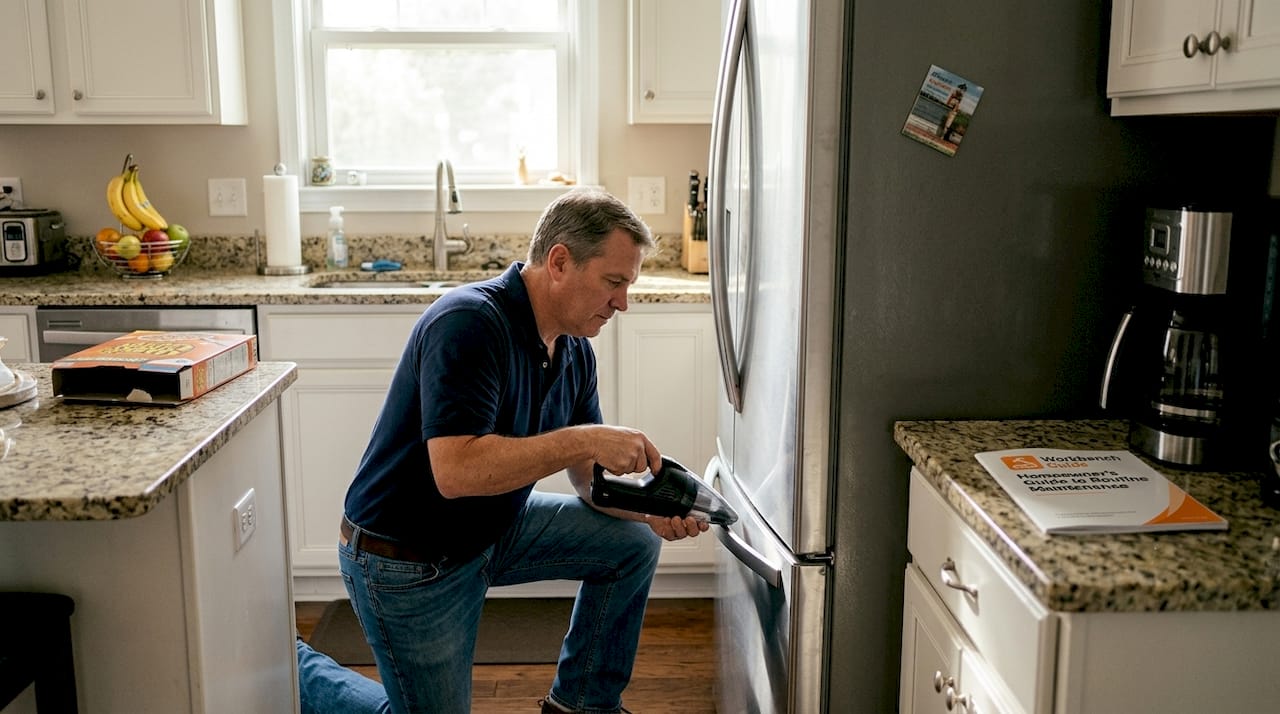
Skipping appliance maintenance feels like saving money. In reality, it’s one of the most expensive habits a homeowner can have. A simple $100 preventive service can prevent $500+ in repairs, and households that skip routine upkeep routinely spend hundreds more per year on emergency fixes. This article walks you through the real financial impact of neglect, the safety risks hiding inside your appliances, how to squeeze more years out of every machine you own, and the practical strategies that actually work. Whether you’re a first-time homeowner or a seasoned DIYer, the case for maintenance is stronger than you think.
Table of Contents
- The real financial impact of appliance maintenance
- Safety risks and hidden dangers of neglect
- Maximizing appliance lifespan: value vs. replacement
- Smart maintenance strategies from experts
- Why most homeowners underestimate maintenance and what actually works
- Take control of your appliance maintenance with WorkbenchGuide
- Frequently asked questions
Key Takeaways
| Point | Details |
|---|---|
| Prevent expensive repairs | Routine maintenance can save your family hundreds each year by catching small problems early. |
| Boost appliance lifespan | Consistent care adds years to major appliances, reducing replacement costs and hassle. |
| Reduce fire risks | Simple tasks like vent cleaning greatly decrease the likelihood of household appliance fires. |
| Know when to repair or replace | Following the 50% rule helps decide if an appliance is worth fixing or better off replaced. |
| Expert tips for every homeowner | Smart strategies and maintenance checklists make appliance care easy and effective no matter your skill level. |
The real financial impact of appliance maintenance
Most homeowners treat appliance maintenance the same way they treat flossing. They know they should do it, they put it off, and then they pay for it later. The numbers tell a clear story.
Households that skip routine upkeep spend $450 to $600 annually on appliance repairs. That’s not a one-time hit. That’s money leaving your pocket every single year. A single refrigerator compressor replacement can run $300 to $600. A washer drum repair? Another $350 or more. These are costs that consistent maintenance could dramatically reduce or eliminate entirely.
“Preventive maintenance doesn’t just delay problems. It eliminates most of them before they start.”
Here’s a quick breakdown of what maintenance costs versus what neglect costs:
| Appliance | Annual maintenance cost | Average repair without maintenance |
|---|---|---|
| Refrigerator | $20 to $50 | $300 to $600 |
| Washing machine | $15 to $30 | $250 to $450 |
| Dryer | $30 to $60 | $200 to $400 |
| Dishwasher | $10 to $25 | $150 to $300 |
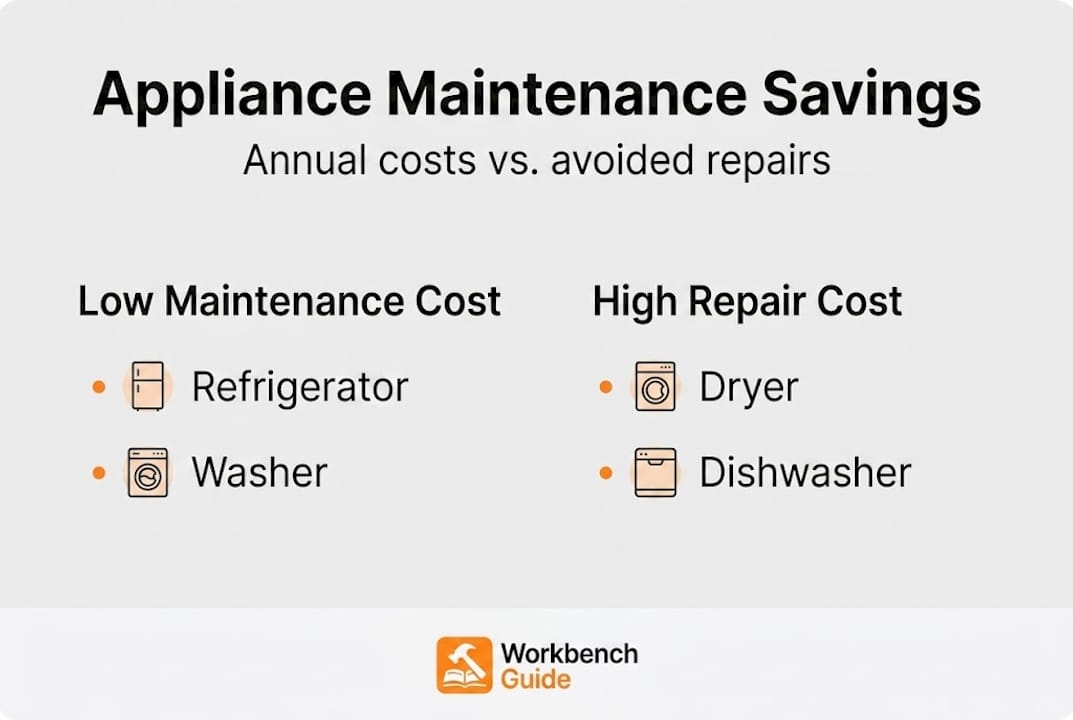
The math is not subtle. Spending $75 to $165 annually across your major appliances protects you from repair bills that can easily top $1,000 in a single year.
The biggest misconception is that maintenance is a luxury or an unnecessary expense. Homeowners often say, “It’s working fine, why fix it?” But appliances don’t break suddenly. They degrade slowly, quietly, and expensively. By the time something sounds wrong or stops working, damage has already been building for months.
Practical ways maintenance saves you money:
- Cleaning refrigerator coils twice a year keeps the motor from overworking, cutting energy costs by up to 30%
- Descaling your dishwasher monthly prevents pump failure, one of the most expensive repairs
- Inspecting washing machine hoses every six months prevents water damage that can cost thousands
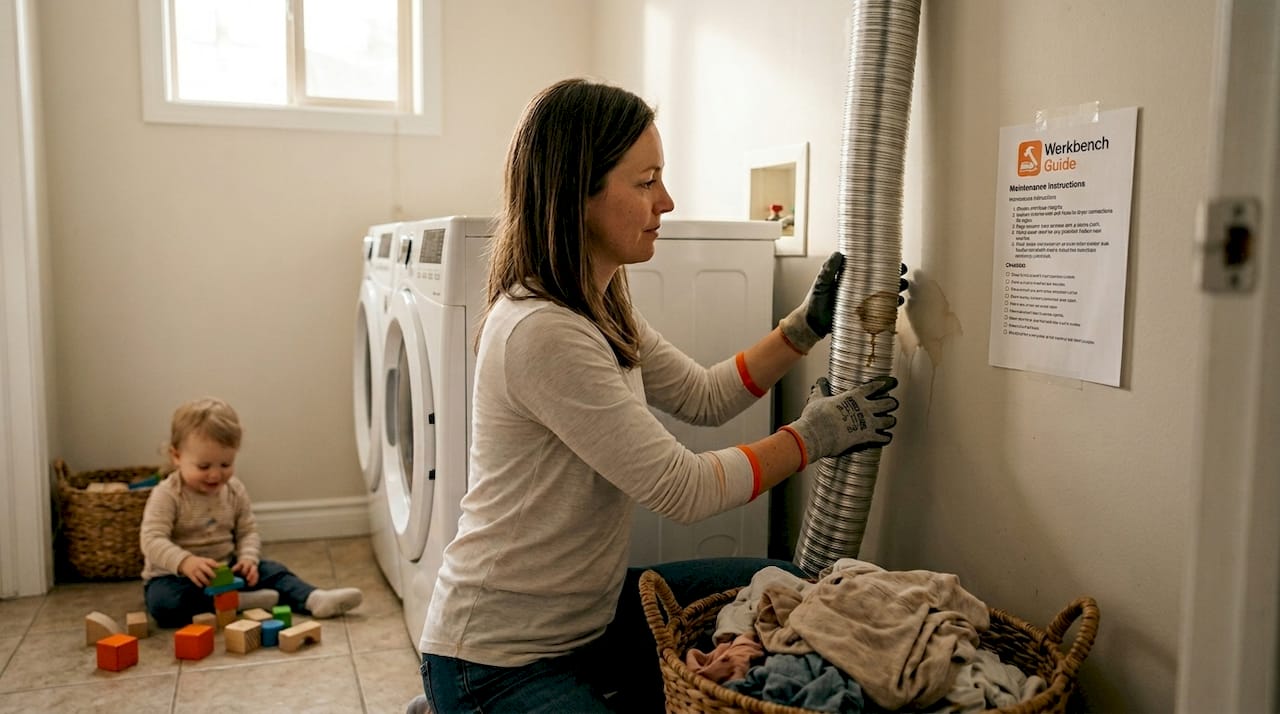
- Cleaning dryer vents annually keeps your appliance efficient and prevents dangerous overheating
For a deeper look at how small checks add up, preventing costly home repairs breaks down the exact steps that protect your budget. You’ll also find ongoing home maintenance tips to keep every system in your house running smoothly.
Safety risks and hidden dangers of neglect
Financial impact is just one piece. Safety is another critical concern when it comes to keeping appliances in top shape.
When people think about skipping appliance maintenance, they picture a broken machine. They rarely picture a house fire. But that’s exactly what can happen. Clogged dryer vents cause approximately 15,500 U.S. fires every year, causing more than $100 million in property damage. Annual cleaning reduces that fire risk by 90 to 95%. That’s not a minor improvement. That’s near-total prevention.
“A clogged dryer vent is one of the most dangerous and most overlooked hazards in an American home.”
Fire is the most dramatic risk, but it’s not the only one. Here are the hidden dangers that build up quietly when maintenance gets skipped:
- Water leaks from washing machine hoses can cause mold growth inside walls within 24 to 48 hours of exposure
- Refrigerator drain line clogs lead to pooling water under the unit, warping floors and breeding bacteria
- Dishwasher door seals that degrade cause slow leaks that damage cabinets and subflooring over time
- Electrical issues from overheating motors in dryers and HVAC units can cause wiring damage that creates fire risk independent of the vent
- Gas appliance burners clogged with grease or debris can cause uneven combustion and carbon monoxide risk
These aren’t worst-case scenarios saved for unlucky homeowners. They’re predictable outcomes of predictable neglect. The good news is that each of them is preventable with a consistent schedule.
Using a solid home maintenance checklist takes the guesswork out of what to check and when. If you’re not sure how routine home care actually fits together, how home maintenance works lays it out in plain terms.
For families with young children or elderly members, the peace of mind that comes with maintained appliances is genuinely valuable. You’re not just protecting property. You’re protecting people.
Maximizing appliance lifespan: value vs. replacement
While safety and cost are key, the value of maintenance shines most when it extends your appliances’ life.
Appliances don’t come cheap. A quality refrigerator can cost $800 to $2,500. A washer and dryer pair runs $1,000 to $2,000. These are significant investments, and how long they last depends largely on how well you care for them.
Refrigerators last about 14 years, washers and dryers run 10 to 13 years, and dishwashers typically hold up for 9 to 10 years. With consistent maintenance, you can push all of those numbers by two to four years. That’s real money you’re not spending on replacements.
| Appliance | Average lifespan without maintenance | Average lifespan with maintenance |
|---|---|---|
| Refrigerator | 10 to 11 years | 14 to 17 years |
| Washer/dryer | 8 to 10 years | 12 to 15 years |
| Dishwasher | 7 to 8 years | 10 to 13 years |
But maintenance doesn’t mean repairing forever. At some point, replacement is the smarter call. That’s where the 50% rule becomes your best decision-making tool. If a repair costs more than 50% of the price of a new appliance, and the appliance has already used more than half of its expected lifespan, it’s time to replace it.
For example, if your 11-year-old dishwasher needs a $250 repair and a new unit costs $400, you’re spending 62% of replacement cost on an appliance near the end of its life. That math points clearly toward replacement.
Key maintenance habits that extend appliance life:
- Clean refrigerator door gaskets monthly to maintain a proper seal
- Run your dishwasher with a cleaning tablet every 30 days to prevent buildup
- Level your washing machine so the drum doesn’t wear unevenly over time
- Check dryer drum seals annually for cracks that strain the motor
Pro Tip: Set a recurring phone reminder for each major appliance on its birthday. The date you bought it is the best prompt for an annual checkup.
For step-by-step instructions tailored to specific machines, the appliance maintenance guides at WorkbenchGuide are a practical starting point.
Smart maintenance strategies from experts
Having explored the value of maintenance, let’s get practical with proven strategies you can use at home.
Not all appliances are created equal, and your maintenance strategy should reflect that. Budget appliances typically fail in 7 to 10 years and require more frequent repairs, while premium models can last 15 years or more. Maintenance helps both, but the gap between a well-maintained budget appliance and a neglected premium one is smaller than most people expect.
One factor most homeowners never think about: water quality. Hard water accelerates mineral buildup inside washers and dishwashers faster than almost anything else. If your home has hard water, running a descaling cleaner monthly isn’t optional. It’s essential.
Pro Tip: Test your water hardness with an inexpensive kit from any hardware store. If it reads above 7 grains per gallon, add monthly descaling to your appliance routine immediately.
Here’s a practical monthly and annual maintenance checklist by appliance:
- Refrigerator: Wipe door seals monthly. Clean condenser coils every six months. Check the water filter every three months if you have one.
- Washer: Run a cleaning cycle monthly. Inspect hoses for bulging or cracks every six months. Leave the door open after each use to prevent mold.
- Dryer: Clean the lint trap after every load. Clean the full vent duct once a year.
- Dishwasher: Use a cleaning tablet monthly. Inspect the spray arms for blockages every three months.
- Oven/range: Wipe burners and drip pans monthly. Deep clean interior every three to four months.
Tracking these tasks doesn’t have to be complicated. A simple list tied to your calendar is enough. The goal is to make maintenance a habit, not a chore you remember only after something breaks. For help budgeting for routine upkeep, see what home maintenance costs look like when you plan ahead.
Why most homeowners underestimate maintenance and what actually works
Here’s a hard truth: most homeowners don’t skip maintenance because they’re lazy. They skip it because nobody ever framed it as urgent. A leaking roof gets fixed fast. A broken heater gets fixed same-day. But a washer that “mostly works” gets ignored until it floods the laundry room.
The real problem is that the cost of neglect is invisible until it isn’t. You never see the repair bill you avoided by cleaning the dryer vent. You only see the one you didn’t avoid.
What actually builds lasting maintenance habits is treating appliances like vehicles. Most people accept that a car needs oil changes, tire rotations, and annual inspections. The same logic applies to a refrigerator that runs 24 hours a day, 365 days a year. The machine that works the hardest deserves the most attention.
Another common mistake: waiting for a problem to diagnose a problem. Strange sounds, longer cycle times, and rising energy bills are all early warning signs. If your dryer takes two cycles to dry a load, something is already wrong. Catching that early costs far less than catching it at failure.
For homeowners just getting started, first-time homeowner tips offers a simple system to build these habits from day one. The first 90 days in a home set the tone for years of maintenance behavior.
Take control of your appliance maintenance with WorkbenchGuide
Knowing what to do is only half the battle. The other half is actually doing it consistently, without letting tasks slip through the cracks for months at a time.
WorkbenchGuide makes that second half easy. You get access to a detailed maintenance checklist that tells you exactly what to check and when, plus a full library of DIY appliance guides written specifically for homeowners who want to handle upkeep themselves. No guesswork, no vague advice. Just clear steps organized around your schedule so expensive surprises stop catching you off guard.
Frequently asked questions
How often should I perform preventive maintenance on appliances?
Most appliances need monthly light maintenance and a more thorough annual inspection. Following manufacturer guidelines alongside a structured checklist helps you hit the right intervals for each machine, since a refrigerator lasts 14 years with proper care but far less without it.
Can regular maintenance really prevent appliance fires?
Yes, particularly with dryers. Annual vent cleaning reduces fire risk by up to 95%, making it one of the single most impactful safety tasks a homeowner can do each year.
What is the 50% rule for repair versus replacement?
If a repair costs more than half the price of a new appliance and the machine has already passed the halfway point of its expected lifespan, replacement is the smarter financial choice in nearly every case.
Do budget appliances need more maintenance than premium ones?
Budget appliances tend to wear out faster, with many failing within 7 to 10 years, while premium models can run 15 years or more. Maintenance helps both, but premium models reward consistent care more over the long run.
How does hard water affect appliance maintenance?
Hard water speeds up mineral buildup inside washers and dishwashers, shortening component life significantly. Running a descaling cleaner monthly prevents this buildup and keeps your machines running efficiently for years longer.