
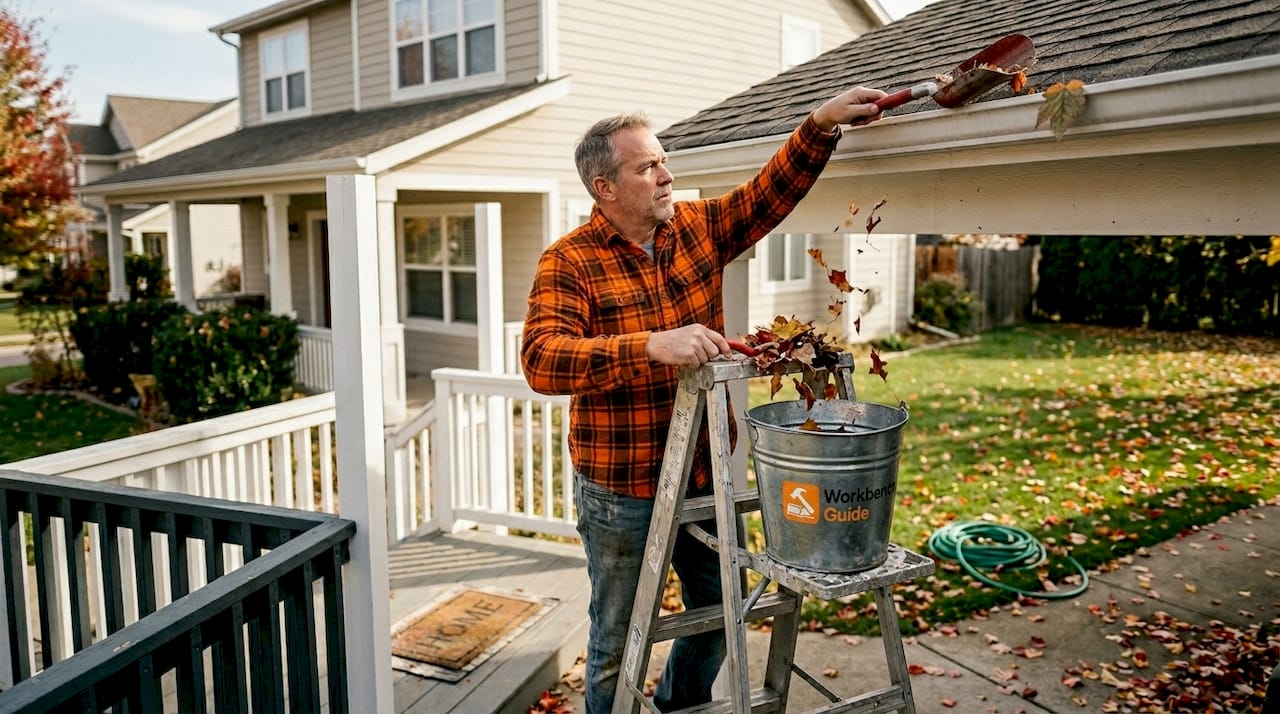
Most homeowners think seasonal home prep is something you do if you live in Minnesota or Maine, where winters are brutal and summers are sweltering. But even if you live in a mild climate, seasonal changes, extended vacations, and shifting humidity levels put real stress on your home every single year. Skipping prep doesn’t just leave your house vulnerable to weather. It opens the door to mold, pest infestations, burst pipes, and roof damage that can cost thousands to fix. This guide breaks down exactly what seasonal home prep means, why it matters regardless of where you live, and how to do it right before problems find you first.
Table of Contents
- Defining seasonal home prep: More than spring cleaning
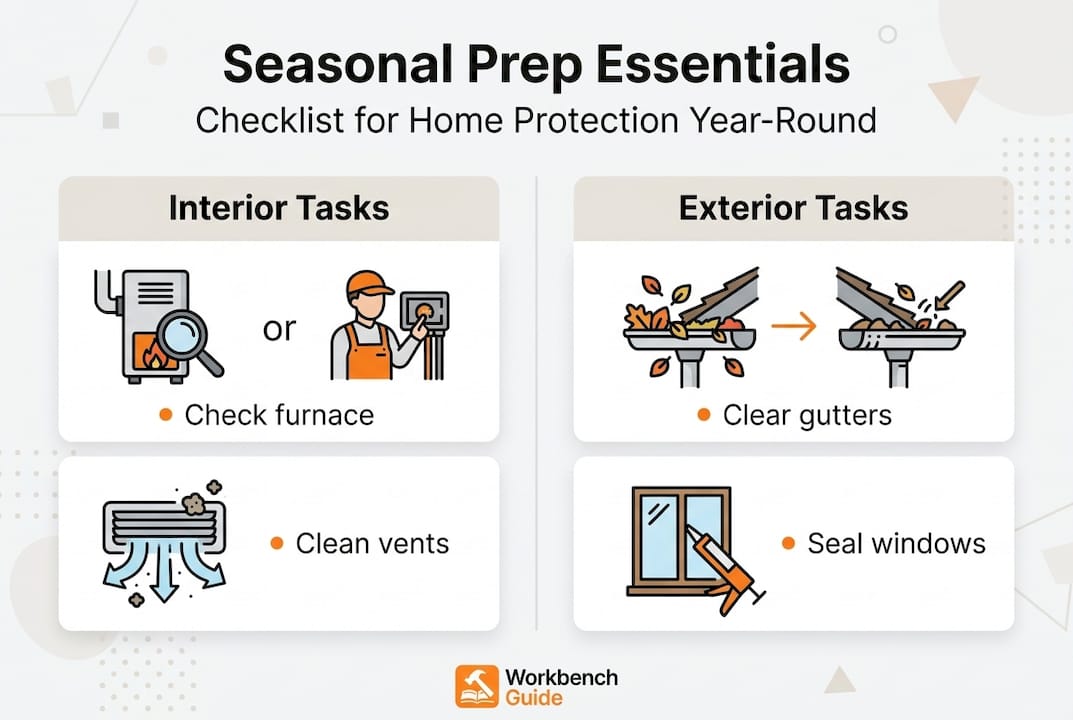
- Core components of seasonal home prep: Interior and exterior essentials
- Seasonal timing: When to start prepping and why it matters
- Special cases: Prep for extended absence or vacation homes
- Why seasonal prep pays off: What most guides overlook
- Take control with expert-led checklists and smart tools
- Frequently asked questions
Key Takeaways
| Point | Details |
|---|---|
| Comprehensive protection | Seasonal home prep protects both the inside and outside of your property from preventable damage. |
| Plan ahead | Starting prep about three weeks before each season or departure allows time for repairs and reduces last-minute stress. |
| Vacancy requires extra care | Homes left unoccupied need advanced checklists to prevent risks like mildew, security issues, and insurance complications. |
| System matters | Using checklists and smart tools can simplify prep and help you maintain long-term property value. |
Defining seasonal home prep: More than spring cleaning
Seasonal home prep is a structured, checklist-driven approach to maintaining your home before each major season or period of unoccupancy. It goes far beyond wiping down counters or clearing out the garage. Think of it as a full systems review, where you check every part of your home that weather, temperature swings, or vacancy could affect.
A useful way to understand its scope: seasonal home prep includes checklist-based tasks for both interior and exterior of a property, intended to reduce risks associated with weather and vacancy. That covers everything from your plumbing and HVAC system to your roof, gutters, windows, and landscaping.
Here’s what a complete seasonal prep covers:
- Interior systems: HVAC filters and servicing, water heater checks, pipe insulation, appliance maintenance, and smoke or carbon monoxide detector testing
- Exterior structure: Roof inspection, gutter cleaning, window and door sealing, deck or patio checks, and drainage assessment
- Yard and landscaping: Tree trimming, irrigation winterization, lawn treatment, and removing debris that could become a hazard
- Security and pest control: Checking entry points, setting timers for lights, sealing cracks that allow pest entry, and setting traps if needed
- Unoccupancy readiness: Adjusting thermostat settings, unplugging electronics, shutting off water valves, and arranging for someone to check in
“Seasonal home prep is not a one-time event. It’s an ongoing system that protects your home’s structure, systems, and value across every season of the year.”
What makes this approach different from one-off repairs is the mindset behind it. You’re not fixing problems after they happen. You’re preventing them before they start. A seasonal home maintenance checklist gives you a reliable framework so nothing slips through the cracks.
Many homeowners only discover the gaps in their prep after a storm rips off loose shingles, a frozen pipe bursts in the wall, or they return from a two-month trip to find mold growing behind the refrigerator. These are not freak accidents. They’re the predictable result of skipping routine prep. The good news is that most of these problems are entirely avoidable with a little planning and the right DIY home prep guides to walk you through each task step by step.
Some prep tasks are clearly seasonal, like cleaning gutters in fall or checking your AC before summer. But others, like testing smoke detectors, inspecting weather stripping, and checking for pest entry points, apply year-round and should be reviewed every time you do a seasonal walkthrough.
Core components of seasonal home prep: Interior and exterior essentials
Now that you know what seasonal prep covers, let’s get specific about the tasks that matter most inside and outside your home. The goal here is to build a system, not just a to-do list.
Interior must-dos by season
| Task | Spring | Summer | Fall | Winter |
|---|---|---|---|---|
| Service HVAC system | ✓ | ✓ | ✓ | ✓ |
| Replace air filters | ✓ | ✓ | ✓ | ✓ |
| Test smoke and CO detectors | ✓ | ✓ | ||
| Inspect pipes for leaks | ✓ | ✓ | ||
| Shut off and drain outdoor water | ✓ | |||
| Check water heater settings | ✓ | ✓ | ||
| Unplug unused electronics | ✓ | ✓ |
Exterior must-dos by season
- Spring: Inspect the roof for winter damage, clean gutters of debris, check window seals and caulking, assess the foundation for cracks caused by frost heave
- Summer: Trim trees and shrubs away from the house, check deck boards for rot or loose fasteners, inspect the driveway for cracks that heat can widen
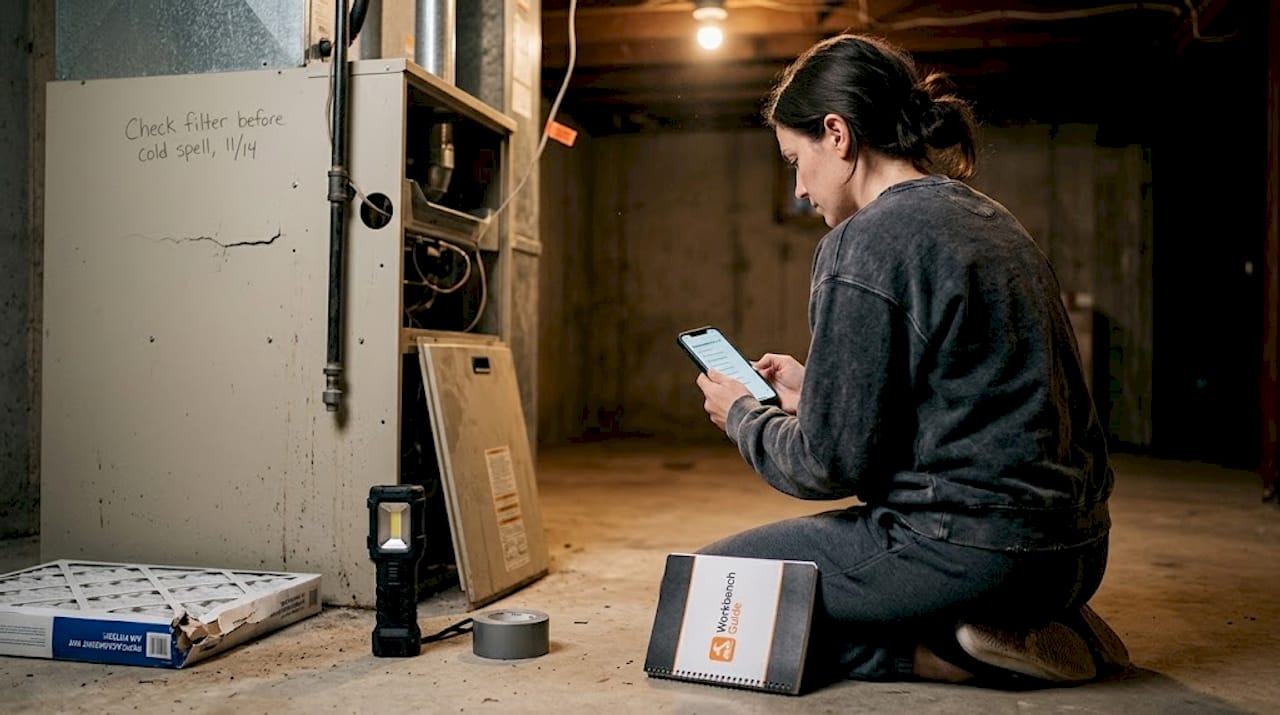
- Fall: Clean gutters again after leaves drop, seal any gaps around windows and doors, service your heating system before it’s needed, check weatherstripping
- Winter: Monitor attic insulation to prevent ice dams, check that outdoor faucets are fully drained, keep an eye on roof snow load in heavy-snowfall areas
Checklist-based tasks for both interior and exterior are central to minimizing risk and damage during seasonal transitions or extended absence. That’s not just theory. Homeowners who follow a structured checklist catch problems early, when they’re still cheap to fix.
Security and pest control often get treated as separate issues, but they belong in your seasonal prep. Rodents and insects are more likely to enter your home in fall when temperatures drop. Sealing cracks around pipes, vents, and the foundation is one of the most cost-effective things you can do. Similarly, checking that door locks, window latches, and exterior lighting work properly is a five-minute task that pays dividends all season.
Pro Tip: Start your seasonal prep at least three weeks before a major weather change or planned departure. That window gives you time to schedule a contractor if you find something that needs professional attention, like a cracked heat exchanger or a failing roof section. Rushing prep in the final days means skipping steps, and skipped steps are where damage hides. Following a full maintenance checklist keeps you organized from start to finish.
One of the most overlooked interior tasks is checking your refrigerator coils and dryer vent. Dusty coils make your fridge work harder and shorten its lifespan. A clogged dryer vent is a leading cause of house fires. These are five-minute checks that most homeowners skip entirely because they’re not visible from the outside.
Seasonal timing: When to start prepping and why it matters
Knowing what to do is only half the battle. Knowing when to do it is what separates homeowners who stay ahead of problems from those who spend weekends dealing with emergencies.
Best practices suggest starting seasonal prep about three weeks before departure or weather changes to allow time for essential repairs. That three-week buffer is not arbitrary. It accounts for contractor availability, shipping time for parts, and the reality that one repair often reveals another.
Here’s a practical seasonal prep calendar to keep you on track:
| Season | Start prep | Key focus areas |
|---|---|---|
| Spring | Late February | Roof inspection, HVAC service, exterior drainage |
| Summer | Early May | Pest control, deck and patio, irrigation systems |
| Fall | Early September | Gutter cleaning, heating system, weatherstripping |
| Winter | Early November | Pipe insulation, water shutoffs, attic insulation |
If you’re pressed for time and can’t do everything at once, prioritize in this order:
- Water systems first. A burst pipe or water intrusion causes more damage faster than almost any other issue. Shut off outdoor faucets, check hose bibs, and inspect supply lines under sinks.
- Heating and cooling second. A failed furnace in January or a broken AC in July creates immediate discomfort and can be dangerous for vulnerable family members.
- Roof and gutters third. Water that can’t drain properly backs up under shingles and into your walls. A one-hour gutter cleaning prevents thousands in water damage.
- Security and pest control fourth. These are easier to address quickly but still need to be on your list before you leave for an extended period.
- Appliances and electronics last. Unplugging devices and checking appliances is fast and low-risk, but it still matters, especially if you’re leaving the home unoccupied.
Delayed prep carries real consequences. Homes that go into winter without proper weatherstripping lose significant heat, driving up energy bills. Gutters clogged through fall overflow during winter thaws, sending water into basements and crawl spaces. Understanding how automated maintenance schedules work can take the guesswork out of timing entirely, sending you reminders before each season so you never fall behind.
The single biggest timing mistake homeowners make is waiting until the first cold snap or the week before a trip to start. By then, HVAC technicians are booked solid, roofing contractors have a three-week backlog, and you’re stuck doing a rushed job or skipping tasks entirely. Early action is the single most effective thing you can do to keep prep manageable and affordable.
Special cases: Prep for extended absence or vacation homes
Routine seasonal prep and extended-absence prep share a lot of overlap, but leaving a home vacant for weeks or months introduces risks that a standard checklist doesn’t fully address. The stakes are higher, and the margin for error is smaller.
Leaving a home unoccupied requires additional interior, exterior, and security procedures to mitigate risks while the property is vacant. Here’s what that looks like in practice:
- Shut off the main water supply and drain the pipes if you’re leaving during freezing weather. Even a slow drip from a failed supply line can cause catastrophic water damage when no one is home to catch it.
- Set your thermostat to a minimum of 55°F in winter. This keeps pipes from freezing without running your heating system at full cost. In summer, set it no higher than 85°F to prevent humidity buildup and mold.
- Unplug all non-essential electronics. This reduces fire risk and cuts phantom energy draw. Leave only what needs to stay on, like a security system or a smart thermostat.
- Arrange for a trusted neighbor or property manager to check in at least once a week. They can spot a leak, a broken window, or a pest problem before it becomes a disaster.
- Invest in smart home monitoring. Water leak sensors, security cameras, and smart smoke detectors can alert you to problems in real time, even from across the country.
- Notify your insurance company. Many homeowner’s policies have specific clauses about unoccupied properties. If your home is vacant beyond a certain period, typically 30 to 60 days, your coverage may be reduced unless you’ve notified your insurer and taken specific precautions.
The insurance angle is one that catches homeowners off guard. A claim filed after a pipe burst in a home that was vacant for 45 days without notification can be denied or reduced significantly. Document your prep with dated photos before you leave. A photo of the water shutoff valve in the off position, the thermostat setting, and the locked doors takes five minutes and can save you from a coverage dispute.
Pro Tip: Always document your prep with photos for insurance purposes. Store them in a cloud folder labeled with the date and property address. If a claim ever comes up, that documentation shows your insurer that you took reasonable precautions before leaving.
A vacation home prep checklist tailored to extended absence goes beyond the standard seasonal tasks and covers the specific steps that protect an unoccupied property from the unique risks it faces.
Why seasonal prep pays off: What most guides overlook
Here’s what most seasonal prep guides won’t tell you: the real value isn’t in the tasks themselves. It’s in the mindset shift that comes from treating your home like an investment rather than just a place to live.
Standard checklists are useful, but they focus on the “what” without addressing the “why.” When you understand that cost-saving maintenance tips compound over time, the same way interest compounds in a savings account, you start to see prep differently. Every $50 gutter cleaning prevents a potential $3,000 water damage repair. Every $20 weatherstripping replacement cuts your heating bill for years.
The homes that “never seem to have problems” aren’t lucky. They’re owned by people who do boring, invisible maintenance consistently. No one posts photos of their freshly serviced HVAC unit on social media. But those homeowners are the ones who never face a $6,000 emergency furnace replacement in January.
Most money-saving home decisions are quiet and unglamorous. They happen in crawl spaces, on ladders, and in utility rooms. The payoff isn’t dramatic. It’s the absence of drama, and that’s exactly the point.
Take control with expert-led checklists and smart tools
Seasonal home prep doesn’t have to feel overwhelming or easy to forget. Workbench Guide gives you everything you need to stay on top of it, from a home maintenance checklist that covers every season to step-by-step guidance for every task on your list. Whether you’re prepping for winter, closing up a vacation home, or just trying to stay ahead of repairs, our curated DIY guides walk you through each job with clear instructions and smart reminders. Stop guessing what needs to be done next and start working from a system that keeps your home protected and your repair costs low all year long.

Frequently asked questions
What is seasonal home prep?
Seasonal home prep is the process of performing specific maintenance tasks to protect a home from weather changes and risks associated with each season. Checklist-based tasks for both interior and exterior are central to minimizing risk and damage during seasonal transitions.
Why is seasonal home prep important?
Proper seasonal prep reduces the risk of damage from weather, pests, and extended vacancy, preserving your home’s value and saving money on repairs. Seasonal home prep reduces risks like mildew, storm damage, and pest infestation that can quietly escalate into major expenses.
When should I start seasonal home prep?
Start your seasonal home prep about three weeks before major weather changes or before leaving your home unoccupied. Starting three weeks early gives you enough time to address any repairs that come up during your inspection.
What should I do differently if I leave my home unoccupied for the season?
Follow a more thorough checklist that includes shutting off water, adjusting the thermostat, securing entry points, arranging check-ins, and documenting everything for insurance. Preparing before extended unoccupancy includes interior, exterior, and security tasks specifically designed to reduce risk during vacancy.
Are there any tools to help with seasonal home prep?
Yes, digital checklists and scheduling tools can automate reminders and track completed prep tasks for each season, so nothing gets missed and you always know what’s coming up next.
Recommended
- WorkbenchGuide – Modern home maintenance platform with DIY guides, schedules, checklists, and task tracking to help owners and managers care for properties confidently.
- Pricing – WorkbenchGuide
- Preventing Costly Home Repairs: The Small Checks That Save Thousands – WorkbenchGuide
- Blog – WorkbenchGuide
Leave a Reply